EN
EN
 fr
fr  de
de  es
es  it
it  ru
ru  pt
pt  ar
ar  vi
vi  tr
tr  id
id 
.webp "Paper Import Trends Reveal Growing Demand for Packaging Board")

Phone:
0086 27 688745330086 18049845758
 GOLDEN PAPER

.webp "Digital Transfer Paper/Sublimation Paper")
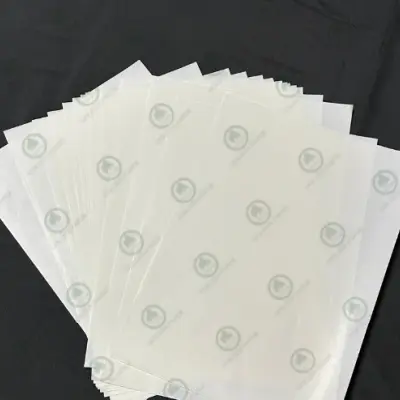
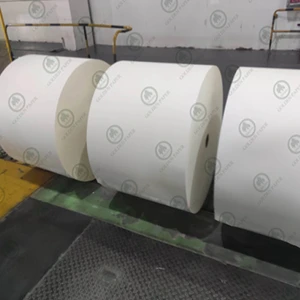

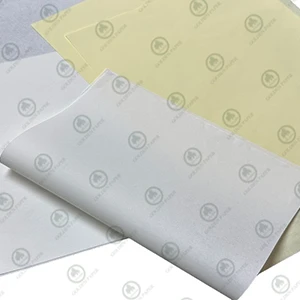

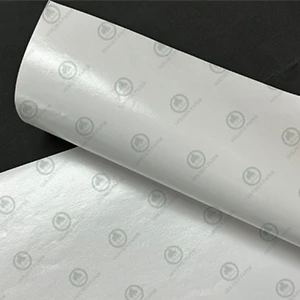
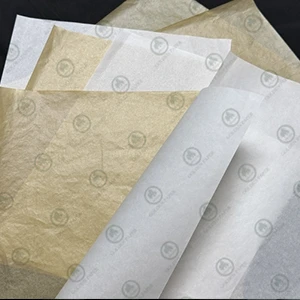

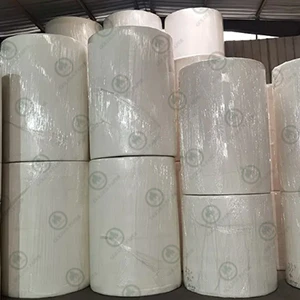
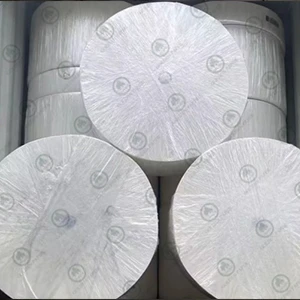

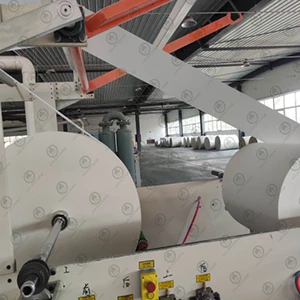
Bible paper is a highly specialized lightweight printing paper used for Bibles, dictionaries, classical literature, and other high-page-count books. Despite its extremely low basis weight, Bible paper must provide good opacity, reliable printability, and sufficient strength for repeated reading and handling. So, what makes Bible paper different from ordinary lightweight paper? Its performance comes from a carefully controlled combination of pulp selection, filler distribution, sizing, and sheet formation.
At its core, Bible paper is a wood-fiber-based printing paper. It is primarily made from bleached chemical wood pulp, which provides the strength, purity, and long-term stability needed for lightweight book paper. During chemical pulping, lignin is largely removed, leaving fibers with good bonding potential and stability. These fibers can form a strong and uniform sheet even at very low basis weights. Compared with mechanical pulp, bleached chemical pulp generally provides better aging stability, making it more suitable for Bible paper and other publications intended for long-term use.
In practice, Bible paper is typically produced using a carefully balanced blend of softwood and hardwood pulps. Softwood pulp contributes tensile strength and toughness, while hardwood pulp improves sheet uniformity and surface smoothness. Together, they help achieve an optimal balance between lightweight construction and durability.
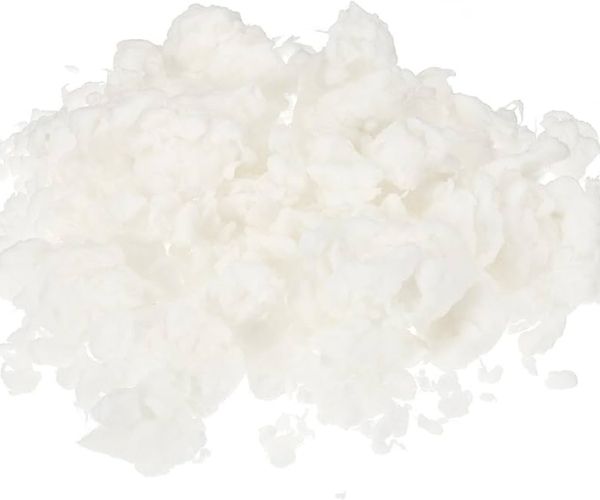
One of the most important properties of Bible paper is its high opacity, which helps reduce show-through despite its extremely low basis weight. Depending on the paper grade and manufacturing process, fillers such as titanium dioxide (TiO₂) or fine calcium carbonate (CaCO₃) may be used to improve opacity and optical properties. By scattering light within the sheet, these fillers reduce the visibility of text printed on the reverse side, making dense two-sided printing easier to read.
However, filler content in Bible paper is carefully controlled. Excessive filler addition can weaken fiber bonding, increasing the risk of dusting, cracking, or breakage during binding and repeated page turning. As a result, high-quality Bible paper focuses on filler efficiency rather than high filler loading.
For buyers, filler performance should be considered together with opacity, strength, folding endurance, and printability rather than evaluated on its own.
Bible paper is designed primarily for high-precision text printing, so its sizing system must carefully control ink penetration. Internal or surface sizing helps produce sharp text edges and clear characters while minimizing ink strike-through on thin sheets. This is especially important for Bible printing, where small type and dense text are often printed on both sides of a very lightweight sheet.
Modified starches and synthetic sizing agents are commonly used at relatively low addition levels, yet they have a significant impact on print stability. Proper sizing allows ink to remain on the paper surface instead of rapidly spreading through capillary fiber structures. This controlled ink behavior is a key technical condition that enables dense typesetting on Bible paper.
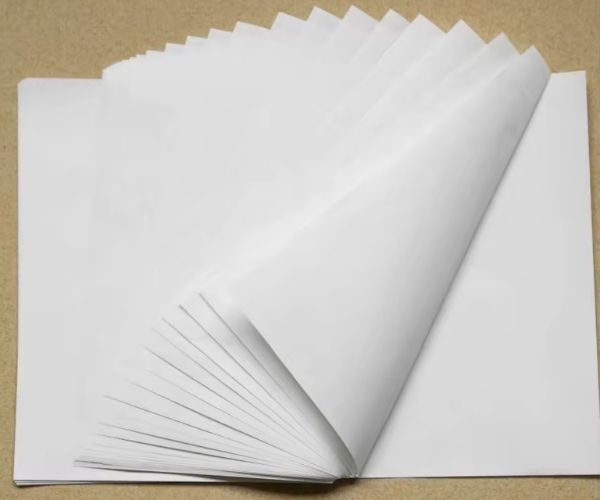
In terms of specifications, Bible paper typically ranges from 25 g/m² to 40 g/m², far lighter than standard book paper. However, its performance is not determined by basis weight alone. A lower GSM does not automatically mean better Bible paper. Basis weight should be evaluated together with opacity, tensile strength, folding endurance, formation, smoothness, and printability. Instead, it results from the combined effects of fiber selection, filler distribution, and sheet structure.
During papermaking, special attention is given to fiber dispersion and formation uniformity to avoid localized weak points. This structural optimization allows the paper to maintain overall strength during repeated reading, folding, and binding processes, without sacrificing durability simply because the paper is thin.
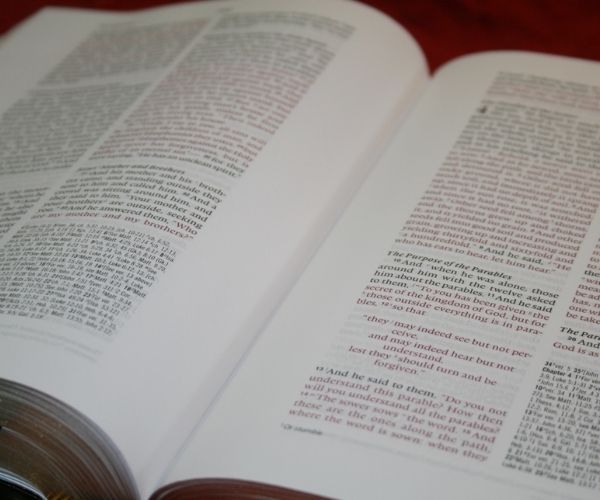
In summary, Bible paper is not merely a thin sheet of paper, but a professional printing material built around bleached chemical wood pulp, refined filler control, and precise sizing design. Its material system is engineered to maximize fiber performance and structural stability under extremely low basis weights. This is precisely why Bible paper continues to be trusted for religious texts and classical literature that demand both compactness and long-term usability. Contact Golden Paper to request samples or pricing information.