EN
EN
 fr
fr  de
de  es
es  it
it  ru
ru  pt
pt  ar
ar  vi
vi  tr
tr  id
id 


Phone:
0086 27 688745330086 18049845758
 GOLDEN PAPER

.webp "Digital Transfer Paper/Sublimation Paper")
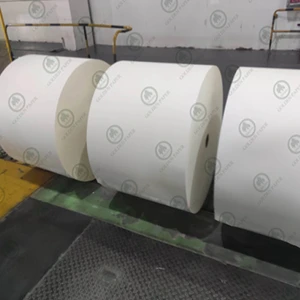

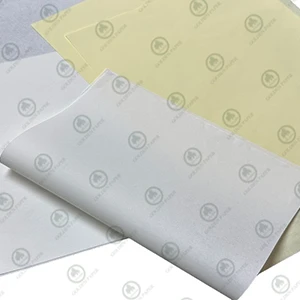

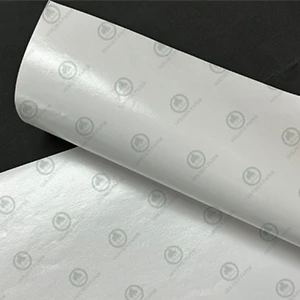
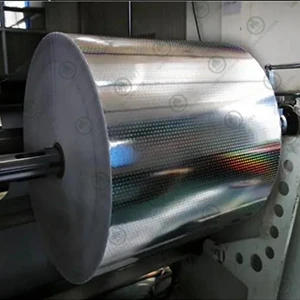
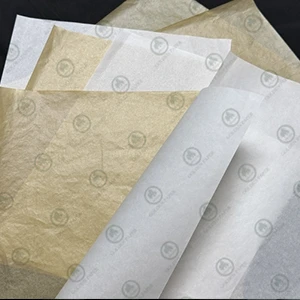
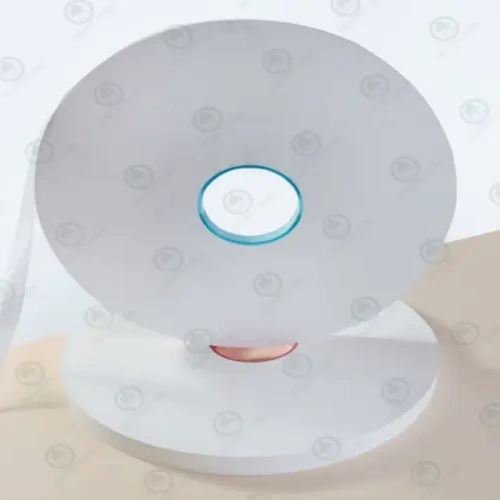
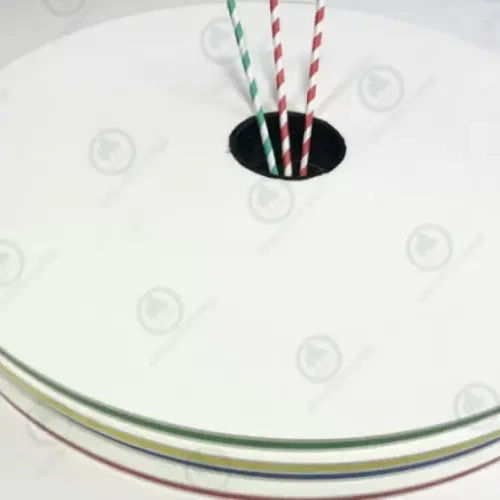
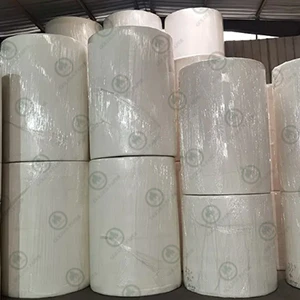
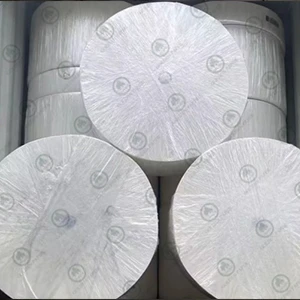

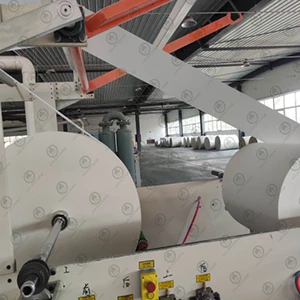
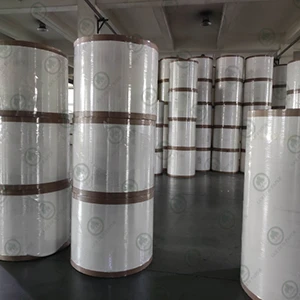
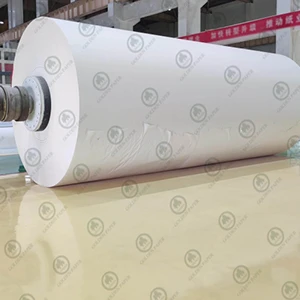
As thermal printing is widely used in retail, logistics, healthcare, and ticketing systems, choosing the right type of thermal paper directly affects your printing efficiency, image stability, and overall operating cost. Different thermal papers vary in durability, print quality, and application scenarios due to differences in protective coating, storage life, intended use, and base material. Understanding these categories helps you select a more cost-effective and reliable thermal paper solution for your business.
Single-protective thermal paper contains basic protective components—such as water-resistant agents and stabilizers—in its coating layer. These additives slow down moisture penetration into the imaging layer, helping maintain short-term image stability under normal humidity changes.
Because the coating is relatively thin, the imaging layer is more exposed to oxidation, UV light, and friction, causing the color-forming materials to decompose more quickly. As a result, its typical storage life is around 8 months at room temperature.
Thanks to its simple structure and low coating cost, this category is widely used for retail receipts and general barcode labels.
Triple-protective thermal paper is enhanced with water-resistant, oil-resistant, and alcohol-resistant layers. These coatings use more stable resin systems that effectively reduce chemical corrosion caused by liquids or alcohol-based cleaners, while improved surface hardness provides higher scratch resistance.
With stronger environmental resistance, it maintains clear, smear-free printing even in environments with frequent exposure to moisture and grease—such as fresh food packaging, logistics sorting, and supermarket scales. Its storage life can reach about 2 years, making it suitable for medium- to high-intensity use.
Five-protective thermal paper further strengthens tear resistance, tensile strength, and folding endurance based on the triple-protective structure. Its top layer uses a highly durable protective coating, while the base layer is made from tough synthetic material, offering far better structural stability than regular paper-based materials.
Because the coating is thicker and has higher resin content, the imaging layer is better isolated from the environment, slowing down photo-oxidation significantly. It fades extremely slowly and ensures long-term clarity in industrial labels, asset labels, and documents requiring extended storage, effectively reducing losses caused by torn or faded labels.
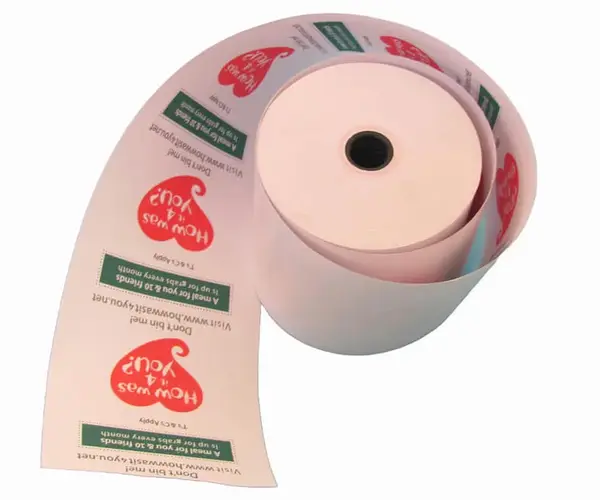
Standard thermal paper uses a basic coating system with higher proportions of color formers and developers, but fewer protective agents. This makes it more susceptible to heat and light, causing the print to fade or the paper to darken over time.
It is suitable for short-term documentation such as temporary receipts or thermal fax paper, typically lasting 1–2 years. Low cost and fast imaging remain its main advantages.
Long-life thermal paper improves the heat stability of color formers and increases the amount of protective additives such as antioxidants and UV stabilizers. This greatly enhances resistance to light, humidity, and high temperatures while slowing decomposition of the imaging layer.
This type can last 8 to 10 years or even longer, making it ideal for train tickets, lottery tickets, payment records, and long-term traceable documents.
POS systems rely on high-speed print heads, so the paper must offer fast imaging response and high edge sharpness to avoid smearing or shadowing. It is widely used in supermarkets, convenience stores, and restaurants.
Label thermal paper works in combination with adhesives, so it must provide good abrasion resistance, surface durability, and moderate moisture resistance. This ensures printed information remains readable during transportation, handling, and storage. Common uses include product labels, logistics labels, and warehouse labels.
This type demands high levels of security and durability. Long-term light resistance, heat stability, and anti-counterfeiting features ensure printed information remains clear throughout long-distance travel and repeated inspections.
Widely used for ECG records and patient charts, medical thermal paper must offer high-resolution line definition, a smooth surface, and strong resistance to repeated handling to ensure accuracy and reliability in clinical environments.
Made with wood-pulp paper, this type has a looser fiber structure, resulting in lower water resistance, tear resistance, and dimensional stability. However, it offers low cost and wide applicability, making it the most common type on the market.
Made with synthetic resin as the base, this type provides higher strength, flexibility, water resistance, oil resistance, and chemical resistance. It is suitable for demanding applications such as industrial labels or premium product labels.
This material consists of a face stock, adhesive, and release liner. The liner provides stable support and consistent release force, making it suitable for precise labeling in electronics, cosmetics, and other high-accuracy applications.
Produced without a liner through specialized coating processes, linerless material is lighter, more environmentally friendly, and reduces waste volume. Because it lacks a liner, it requires more precise adhesive coating and higher equipment compatibility—often used in automated labeling systems.
By understanding the categories and characteristics of thermal paper, you can select the right type based on cost, storage life, or environmental resistance. The right choice improves operational efficiency, reduces maintenance costs, and ensures your critical information stays clear and stable throughout its use cycle. Contact Golden Paper for samples and quotations!