EN
EN
 fr
fr  de
de  es
es  it
it  ru
ru  pt
pt  ar
ar  vi
vi  tr
tr  id
id 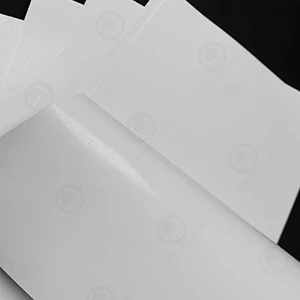
Phone:
0086 27 688745330086 18049845758
 GOLDEN PAPER


.webp "Digital Transfer Paper/Sublimation Paper")
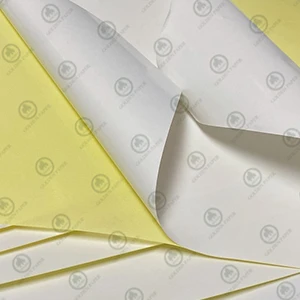
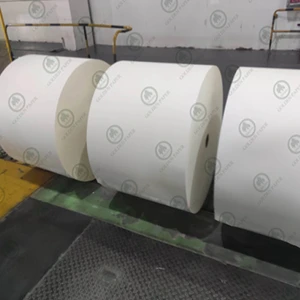

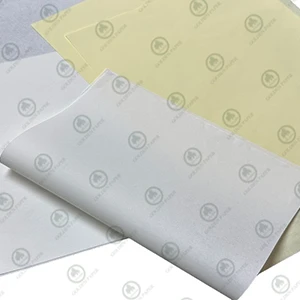

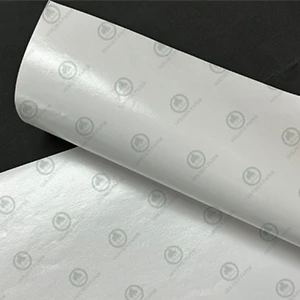

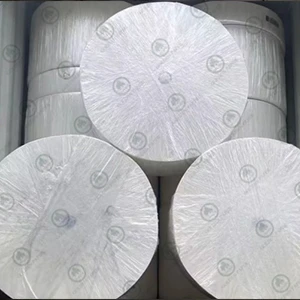

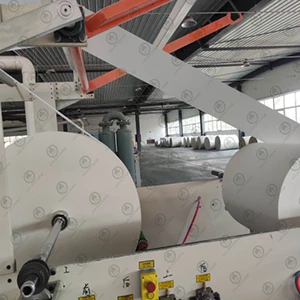
When sourcing packaging materials, you may find that many types of paper look similar at first glance, but the results can be very different once they are used. This is especially true when comparing FBB (folding box board), kraft paper, and duplex board with grey back. Many buyers spend a lot of time comparing them but still feel unsure. This guide explains the key differences between common packaging paper types from a practical perspective. It also provides a clearer and more actionable way to choose the right material based on your application.
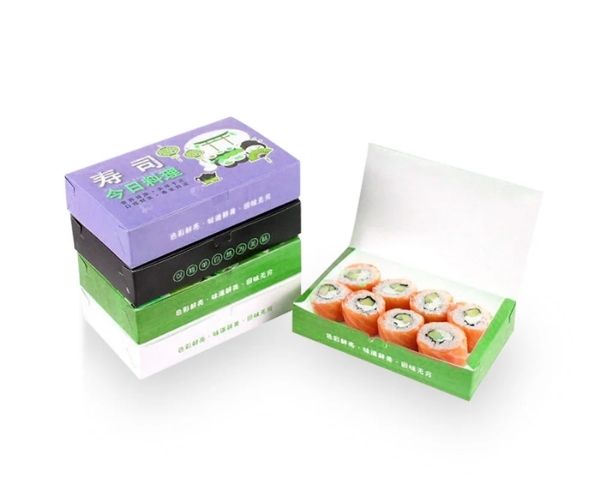
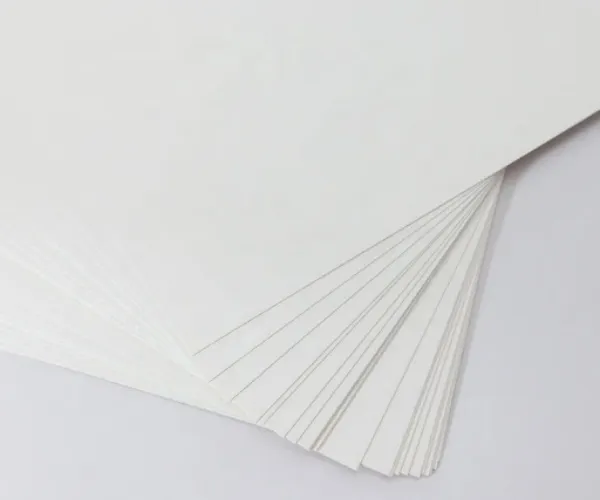
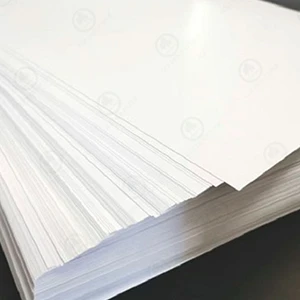
FBB, also known as ivory board, is typically made from high-quality virgin wood pulp and coated on the surface. This gives it a smooth texture and high brightness, which helps achieve excellent print results.
Because of its uniform structure, FBB can reproduce fine color details, making it ideal for premium printed packaging.
In real applications, if your product focuses on branding and visual impact—such as cosmetics, electronics, or premium food packaging—FBB is usually the better option. It improves the overall look and makes packaging appear cleaner and more refined, helping products stand out on retail shelves.
However, this type of paper usually comes at a higher cost, so it is more suitable for high-value products rather than large-volume, low-cost packaging.
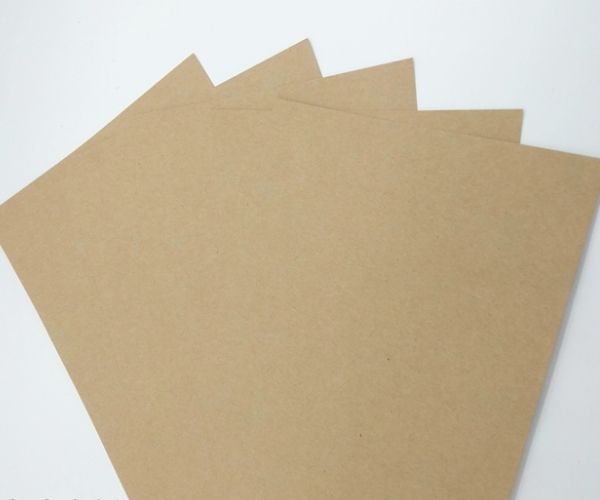
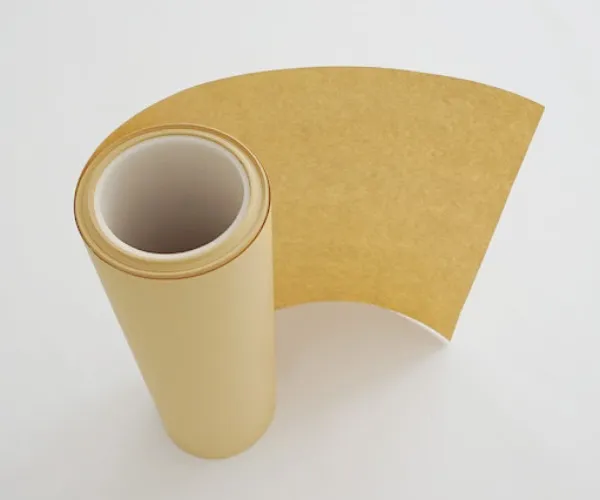
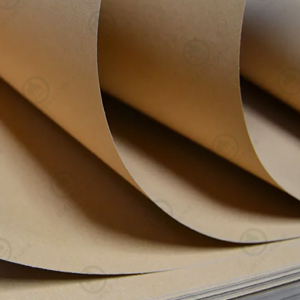
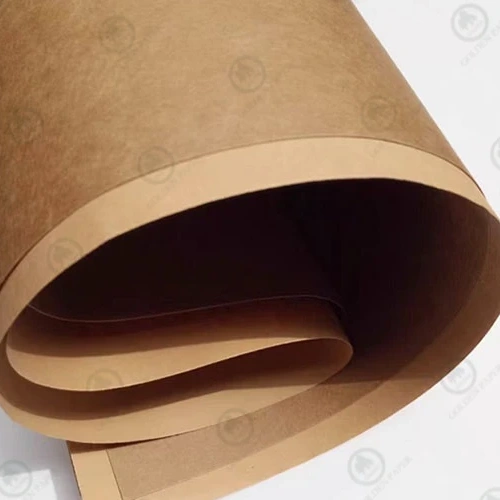
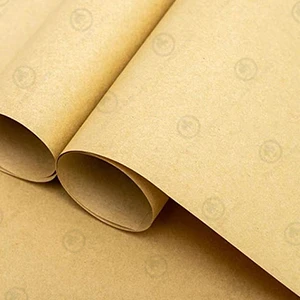
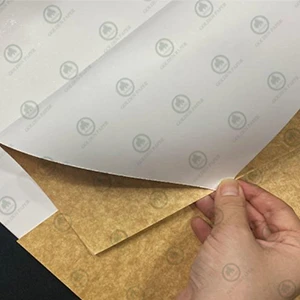
Kraft paper stands out because of its fiber structure. It is made with long wood fibers, which makes the paper strong, tear-resistant, and durable under pressure.
This makes it a reliable choice during transportation and storage, where packaging must handle stacking and long-distance shipping.
If your product requires strong protection—such as e-commerce shipping boxes, industrial packaging, or export cartons—kraft paper is often the preferred solution.
One important point is that kraft paper has limited printing performance, so it is better suited for functional packaging rather than applications that require a premium visual appearance.
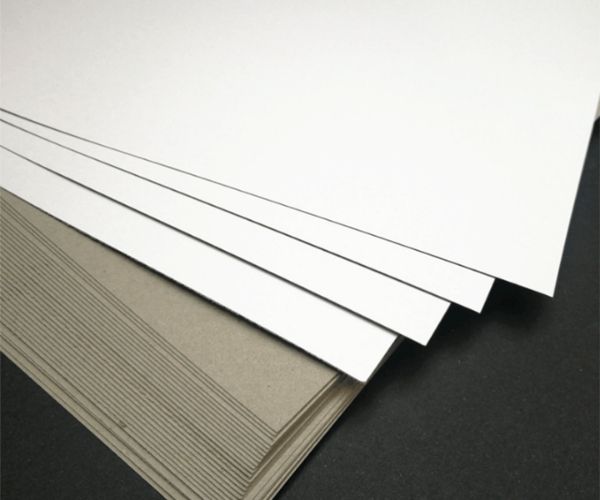
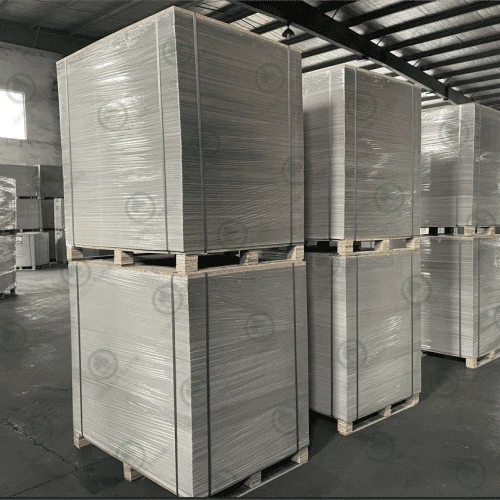
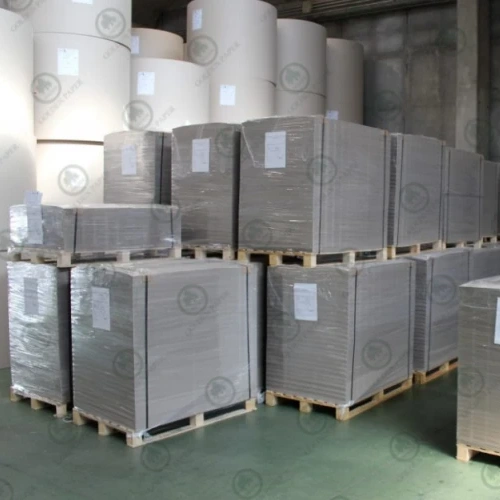
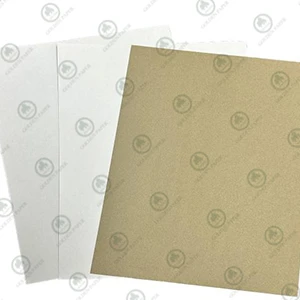
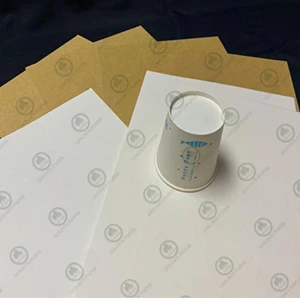
Duplex board features a white coated front side and a grey back side. This structure allows it to balance printing performance and cost.
In many real-world projects, if you need packaging that looks acceptable but still fits within a budget, duplex board is a practical option. It is commonly used for standard folding cartons, retail packaging, and some paper bags.
Its biggest advantage is versatility. It works well across a wide range of applications without major drawbacks, which is why it is widely used in mid-range packaging solutions.
Instead of focusing only on technical specifications, it is more effective to start from the intended use.
If your packaging needs to highlight product appearance, FBB is more likely to meet expectations. If transportation safety is the main concern, kraft paper provides stronger support. If you need to balance cost and performance, duplex board is usually the more practical choice.
This approach is more efficient than comparing prices alone and better reflects real purchasing decisions.
In many cases, even when the correct paper type is selected, the final result may still fall short. This is often due to other important parameters.
Basis weight directly affects thickness and strength, and the difference becomes obvious after converting. Moisture content, if not properly controlled, can lead to deformation during printing or die-cutting. Coating quality determines ink adhesion, which impacts print results.
For food packaging or export markets, compliance is also important. Certifications such as Forest Stewardship Council (FSC) may be required to meet environmental and regulatory standards.
These factors may seem less visible, but they often determine the final product quality.
Many buyers start by asking which material is cheaper and only later consider whether it is suitable. This often leads to repeated adjustments and higher overall costs.
A more effective approach is to define the application first, then select the material, and finally optimize cost. Only when the material meets your actual needs does cost optimization make sense.
In real projects, you can follow a simple process:
First, define the main purpose of the packaging, whether it is for display, transportation, or daily retail use. Next, choose the appropriate paper type based on that goal. Then, determine the basis weight and structure to ensure performance. Finally, adjust specifications based on your budget.
This method reduces trial and error and makes decision-making clearer.
Choosing the right packaging paper is essentially about finding the right balance. Each material has its own strengths, and there is no single best option—only the one that fits your specific needs. When you start from the application instead of focusing on a single factor, the decision becomes much easier and more effective. If you are looking for a reliable supplier, feel free to contact Golden Paper for samples and quotations.