EN
EN
 fr
fr  de
de  es
es  it
it  ru
ru  pt
pt  ar
ar  vi
vi  tr
tr  id
id 

Phone:
0086 27 688745330086 18049845758
 GOLDEN PAPER

.webp "Digital Transfer Paper/Sublimation Paper")


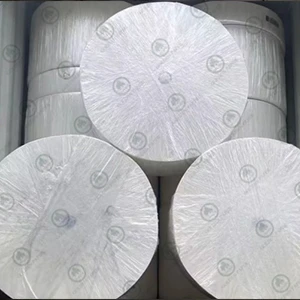

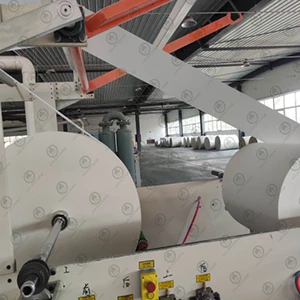
As the coffee market continues to grow, consumers expect more from beverage packaging than simply holding a drink. The right coffee cup can influence the drinking experience, brand image, product safety, and operating costs. With so many options available for cold drink cups and hot drink cups, how can businesses make the right choice?
Based on their applications, coffee cups can generally be divided into two categories: cold beverage cups and hot beverage cups.
Since beverage temperatures vary significantly, packaging materials must meet different performance requirements. Cold drink cups place greater emphasis on transparency, low-temperature resistance, and product presentation, while hot drink cups require better insulation, structural strength, and safety during use. As a result, different materials have developed specific roles within coffee packaging.
For iced Americanos, iced lattes, cold brew coffee, and other chilled beverages, transparent plastic cups remain the most popular packaging solution. Consumers often prefer to see the color of the drink, the ice cubes, and any layered appearance, making transparency an important factor when selecting cold drink cups.
PET Cups: Excellent Clarity for Product Presentation
PET (Polyethylene Terephthalate) is one of the most widely used materials for cold beverage packaging.
Its outstanding transparency allows beverages to be displayed clearly, making it a popular choice for coffee shops, bubble tea stores, and juice brands.
The primary advantage of PET cups lies in their visual appeal. When a brand wants to highlight the appearance of its beverages, PET is often the preferred option.
However, PET has limited heat resistance and is typically suitable for temperatures ranging from -20°C to 50°C. When filled with hot liquids, the cup may deform, making it unsuitable for hot beverage applications.
PP Cups: Suitable for Both Hot and Cold Drinks
PP (Polypropylene) is well known for its flexibility and heat resistance.
Compared with PET, PP cups offer slightly lower transparency but can withstand much higher temperatures. Their working temperature range generally extends from -20°C to 120°C.
For coffee shops that serve both hot and cold beverages, PP cups can help simplify inventory management while providing greater packaging flexibility.
Many high-clarity injection-molded cups available on the market today are made from PP. These cups maintain good transparency while offering improved impact resistance and durability.
PLA Cups: A Sustainable Packaging Alternative
As environmental regulations become stricter around the world, sustainable packaging has become an increasingly important topic within the coffee industry.
PLA (Polylactic Acid) is a bio-based material produced from renewable resources such as corn and cassava.
Compared with conventional plastics, PLA offers biodegradability while maintaining relatively high transparency. As a result, it is gaining popularity in the eco-friendly cold cup market.
In addition to its environmental advantages, PLA also provides good tensile strength and dimensional stability, making it suitable for cold beverage packaging.
However, due to current supply chain limitations and production costs, PLA products remain more expensive than traditional plastic alternatives. They are therefore most commonly used by brands seeking to strengthen their sustainable image.
Most disposable plastic containers feature a recycling symbol with a number printed inside a triangle at the bottom. Different numbers represent different plastic materials.
However, not every plastic is suitable for direct food contact in coffee packaging applications. HDPE is primarily used for personal care and household product packaging. PVC may release harmful substances under high temperatures and is therefore rarely used for food packaging. PS is relatively inexpensive but offers limited heat resistance, which may create safety concerns when exposed to hot beverages.
In comparison, PET, PP, and PLA better meet the safety and performance requirements of modern coffee packaging, which is why they have become the preferred choices across the industry.
Unlike cold beverages, hot drinks require packaging that can withstand elevated temperatures.
When consumers purchase hot lattes, cappuccinos, or American coffee, they expect both leak resistance and comfortable handling. For this reason, paper cups have become the standard solution for hot beverage packaging.
Compared with plastic cups, paper cups provide better insulation while also offering greater flexibility for branding and custom printing. For coffee brands, the cup itself serves as an important marketing tool that enhances brand visibility.
Many consumers assume that paper cups are made entirely from paper.
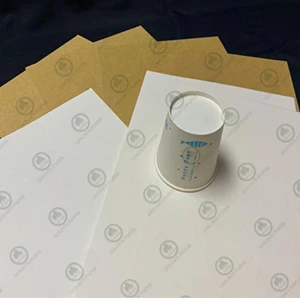
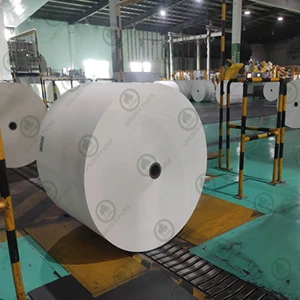
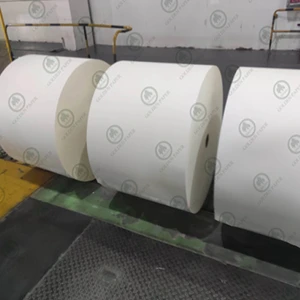
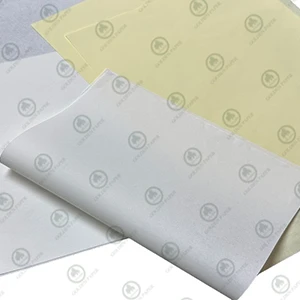
In reality, modern coffee paper cups are typically constructed using food-grade cup base paper combined with a coating layer. The paper provides structural support, while the coating layer prevents liquid and oil penetration. Today, the two most common solutions are PE coated paper cups and PLA coated paper cups.
PE coated paper cups are currently the most widely used solution for coffee packaging.
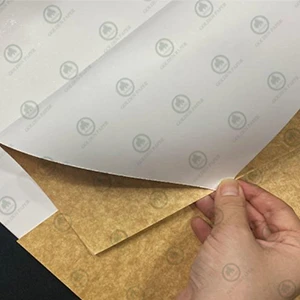
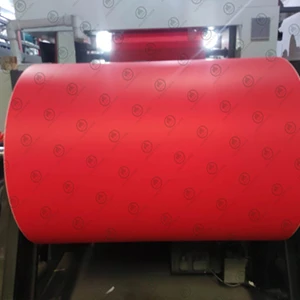
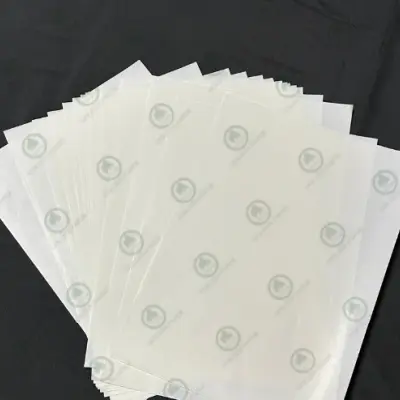
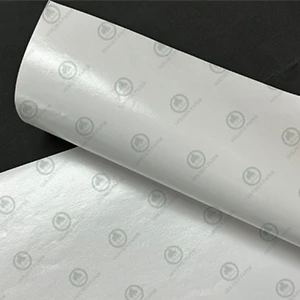
During production, a layer of food-grade polyethylene film is laminated onto the surface of the cup base paper to create an effective moisture barrier. This structure prevents liquid from penetrating the paper while maintaining cup stability during forming and use.
After years of development, PE coating technology has become highly mature, offering excellent cost efficiency and reliable supply. Today, PE coated paper cups remain the primary packaging choice for most global coffee chains.
PLA coated paper cups are produced by laminating a PLA film onto the surface of cup base paper.
Because PLA is derived from renewable resources, it helps brands meet increasingly stringent sustainability requirements. For companies committed to environmental responsibility, PLA paper cups can support green branding efforts while addressing growing consumer demand for eco-friendly packaging.
However, PLA raw materials are still developing as part of the global supply chain, which means prices remain relatively high. Businesses should evaluate brand positioning, budget considerations, and local regulations before making a purchasing decision.
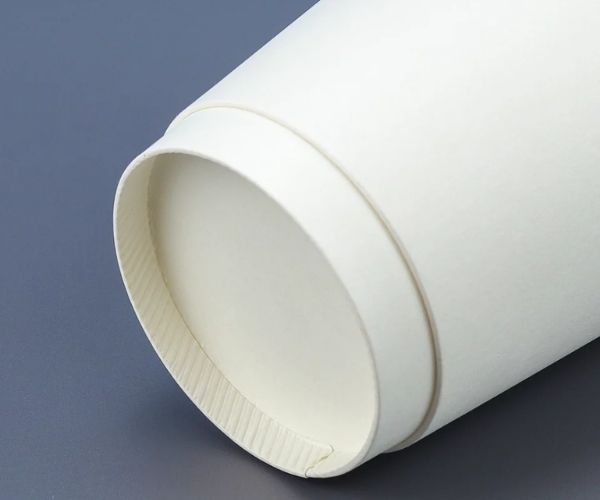
For paper cup buyers, selecting between single PE coated paper and double PE coated paper is a common consideration.
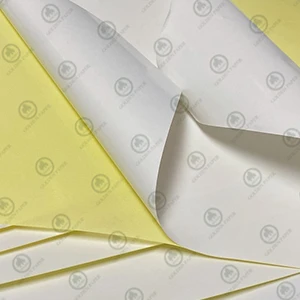
The main difference lies in the coating coverage. Single PE coated paper includes a PE layer only on the inside surface of the cup. This structure provides sufficient leak protection for hot beverages and is widely used for hot coffee cups.
Double PE coated paper features PE coating on both sides of the paper. When cold beverages are served, condensation can form on the outer wall of the cup. Without external protection, the paper may soften or lose its shape. For this reason, cold beverage cups are typically manufactured using double PE coated paper to improve stiffness and durability.
Although double PE coated cups involve higher production costs, they provide better performance and a more reliable user experience.
In addition to material selection, cup structure also plays an important role in overall performance.
Single-wall paper cups have the simplest construction and are generally the most economical option.
They are commonly used for short-term consumption scenarios or beverages that do not require significant insulation.
Double-wall paper cups include an additional outer paper layer around the cup body.
This design helps reduce heat transfer and improves comfort when holding hot drinks. Many specialty coffee shops prefer double-wall cups because they enhance the customer experience.
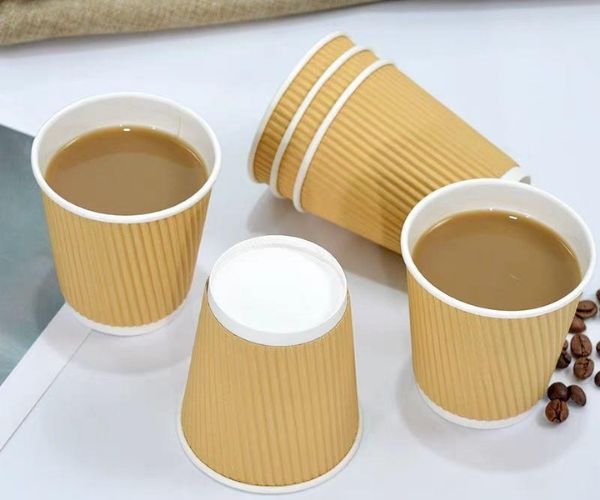
Air pocket cups create a gap between two paper layers. Since air naturally acts as an insulator, this structure significantly reduces heat transfer and helps prevent discomfort from hot beverages.
Ripple wall cups use a corrugated outer layer to create a cushioning effect. This design improves insulation while also giving the cup a more premium appearance. For high-end coffee brands, both air pocket cups and ripple wall cups can contribute to stronger brand presentation.
From a manufacturing perspective, a high-quality coffee cup must deliver both food safety compliance and reliable converting performance.
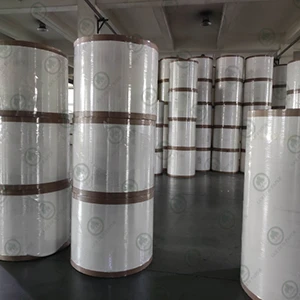
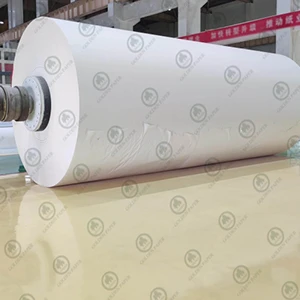
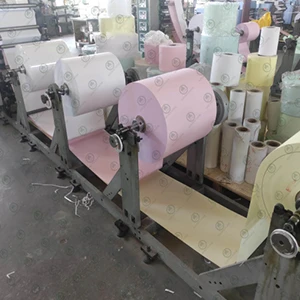
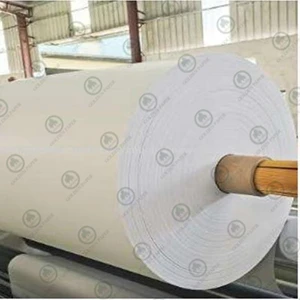
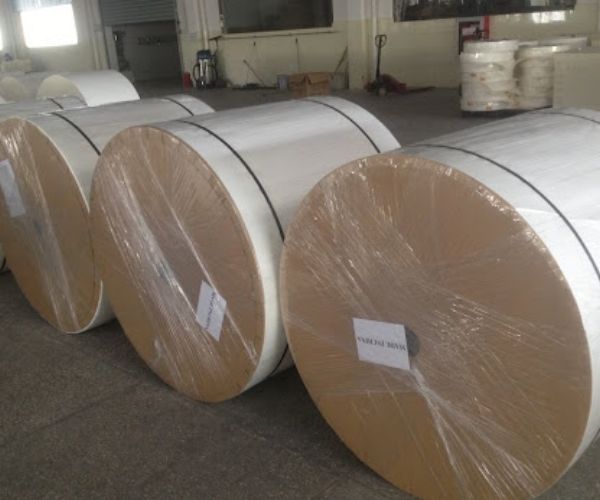
Most premium coffee cups are produced using food-grade virgin wood pulp cup paper combined with stable PE or PLA coating technology. Paper weight, stiffness, and forming performance all directly affect the final product quality.
For hot beverage applications, many premium cups use 320gsm cup base paper combined with a 20gsm coating layer to achieve better strength and leak resistance.
For coffee brands, choosing a reliable paper cup raw material supplier is often more important than simply pursuing the lowest price.
There is no single coffee cup that fits every application. Different beverages require different packaging solutions based on temperature, performance requirements, sustainability goals, and brand positioning. As a professional supplier of cup base paper and coated paper solutions, Golden Paper provides stable raw materials for paper cup manufacturers, converters, and foodservice brands worldwide. If you are looking for cup stock paper, PE coated paper, or other coffee cup packaging materials, feel free to contact us for samples and the latest quotation.