EN
EN
 fr
fr  de
de  es
es  it
it  ru
ru  pt
pt  ar
ar  vi
vi  tr
tr  id
id 

Phone:
0086 27 688745330086 18049845758
 GOLDEN PAPER

.webp "Digital Transfer Paper/Sublimation Paper")



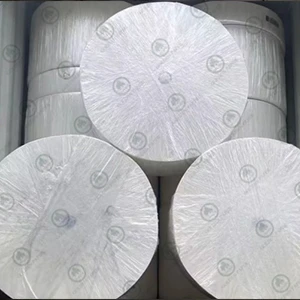

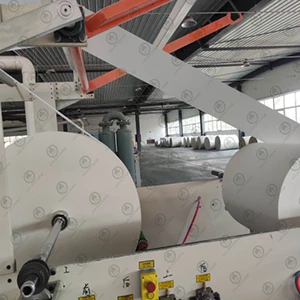
Pharmaceutical packaging is not only important for product presentation but also plays a critical role in product protection, information delivery, and regulatory compliance. From pharmaceutical packaging boxes to medicine package inserts, different applications require different levels of stiffness, printability, thickness, and safety. Understanding the characteristics and applications of common pharmaceutical packaging paper can help you control costs while ensuring packaging quality and compliance. Let's take a closer look.
In the pharmaceutical packaging industry, paper is mainly used for two applications: pharmaceutical packaging boxes and medicine package inserts. Although both are paper-based products, their structural requirements, thickness, print performance, and functional properties differ significantly.
Pharmaceutical packaging boxes are the first thing consumers see when they purchase a medicine product. Therefore, the paperboard must provide both product protection and excellent printing performance for branding and product information.
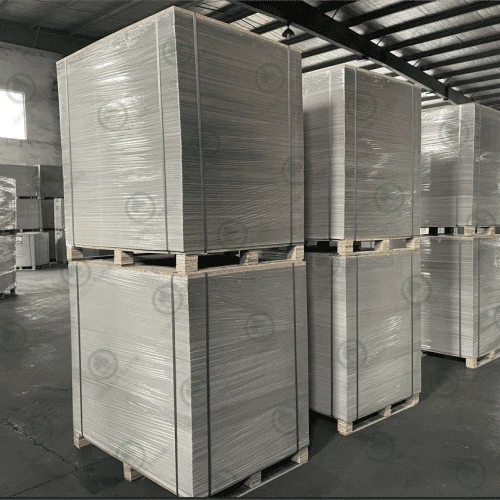
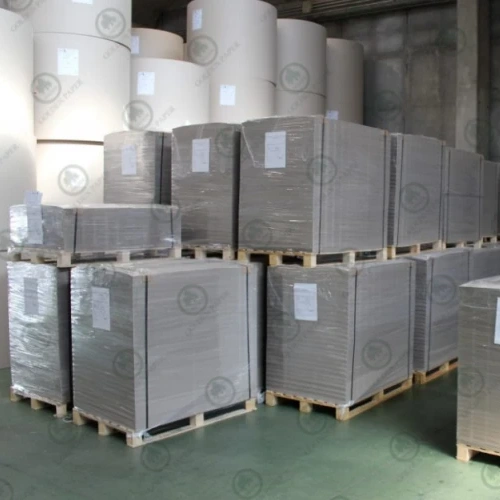
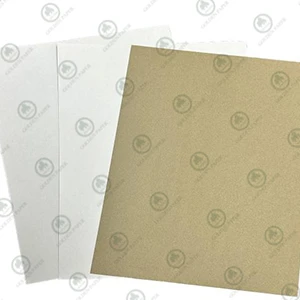
The most commonly used paperboards for pharmaceutical boxes include ivory board, white-lined chipboard, and gray back board. Among them, ivory board is typically made from virgin wood pulp, while white-lined chipboard and gray back board are mainly produced from recycled fiber.
SBS (Solid Bleached Sulfate) board is manufactured from fully bleached chemical pulp and typically features a two-layer or three-layer structure. Its main advantages are high brightness and a smooth surface, allowing for outstanding print quality.
For branded pharmaceuticals, healthcare products, and premium OTC packaging, SBS board helps create a clean and professional appearance with vibrant colors and sharp text. Its uniform fiber structure also provides stable die-cutting and creasing performance, making it suitable for complex pharmaceutical box designs.
However, SBS board also has some limitations. Compared with FBB at the same basis weight, SBS generally offers lower bulk and stiffness. As a result, higher grammages are often required to achieve the same packaging strength, which may increase material costs.
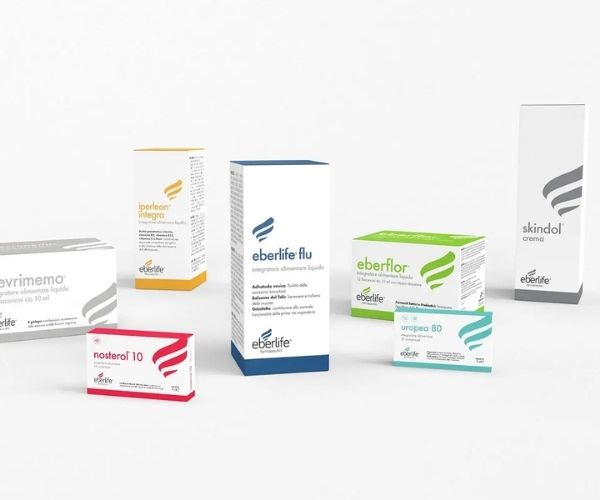
FBB (Folding Box Board) is one of the most widely used paperboard grades in pharmaceutical packaging.
Its top and back layers are made from bleached chemical pulp, while the middle layer consists of mechanical pulp or chemical-mechanical pulp, creating a typical three-layer structure. This design gives FBB excellent printability while delivering greater thickness and stiffness.
For pharmaceutical packaging manufacturers, FBB offers several important advantages.
First, it provides higher bulk and stiffness at the same grammage, resulting in stronger medicine boxes. Second, it delivers excellent creasing performance, reducing the risk of cracking during folding and converting. Third, its higher yield allows more printable area per ton of paperboard, helping reduce overall packaging costs.
Today, FBB is widely used for prescription drug packaging, OTC medicine boxes, and healthcare product cartons.
For cost-sensitive markets, white-lined chipboard and gray back board remain common packaging choices.
White-lined chipboard offers a relatively uniform appearance on both sides, along with acceptable printability and stiffness at a competitive price.
Gray back board uses recycled fiber in its core layer and features a gray reverse side, making it a more economical option for certain low-value packaging applications.
However, for pharmaceutical products exported to North America and Europe, where regulatory standards are stricter, more brands are choosing virgin fiber paperboard to meet safety, sustainability, and pharmaceutical packaging compliance requirements.
If pharmaceutical boxes serve a protective and branding function, medicine package inserts are primarily responsible for delivering critical information to patients and healthcare professionals.
As global pharmaceutical regulations continue to evolve, package inserts contain more information than ever before. Indications, dosage instructions, contraindications, side effects, and storage guidelines must often be presented within a limited space. As a result, selecting the right pharmaceutical insert paper has become a key concern for packaging buyers.
Many purchasing managers encounter several challenges when selecting paper for pharmaceutical leaflets.
The first issue is excessive paper thickness. When inserts contain a large amount of information, standard offset paper can become bulky after folding, making it difficult to fit inside medicine boxes and reducing packaging line efficiency.
The second issue is low opacity. To reduce costs, some companies choose lower-weight papers. However, insufficient opacity can cause show-through during double-sided printing, making text difficult to read and potentially affecting the visibility of important information.
The third issue is poor foldability. Pharmaceutical leaflets often require multiple folds, and some paper grades may crack, break fibers, or curl after repeated folding, negatively affecting product quality and automated packaging performance.
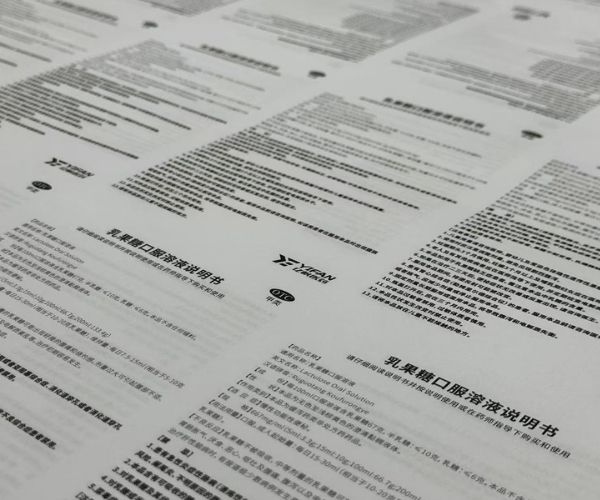
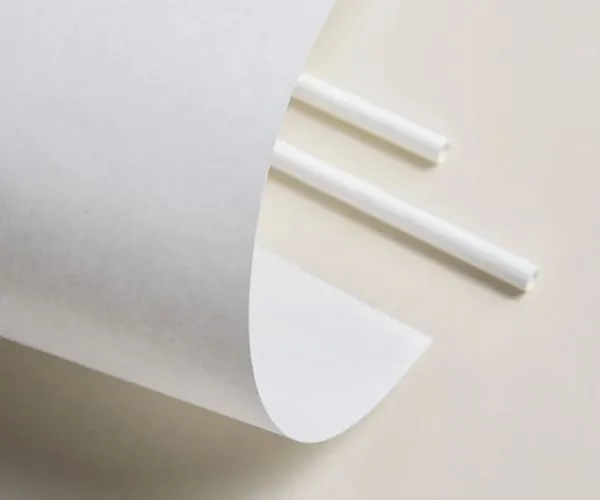
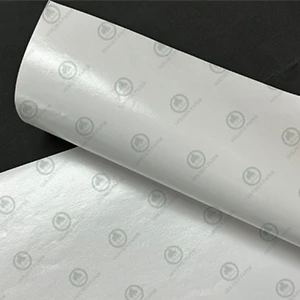
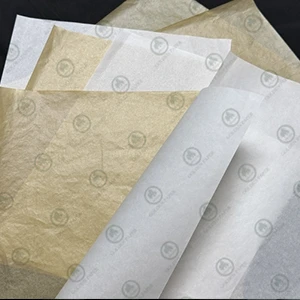
Today, Bible Paper is one of the most widely used materials for high-quality pharmaceutical package inserts.
Although Bible Paper has a low basis weight, it offers high opacity, excellent strength, and superior printability. Its biggest advantage is the ability to remain lightweight while delivering excellent readability and printing quality.
For example, a medicine leaflet containing thousands of words may become too bulky when printed on standard offset paper. By using Bible Paper, manufacturers can significantly reduce folded thickness while maintaining clear and readable text.
In addition, Bible Paper provides excellent folding performance. Even after multiple folds, it is less likely to crack or break, making it ideal for high-speed pharmaceutical packaging lines.
For these reasons, Bible Paper has become the preferred choice for prescription drugs, healthcare products, and pharmaceutical package inserts worldwide.
.jpg "bible_paper_(2).jpg")
For products with relatively simple instructions, lightweight offset paper can also be used as a package insert material.
Lightweight offset paper offers good printability at a lower cost and is suitable for inserts with fewer pages and limited folding requirements.
However, when multilingual printing or extensive regulatory information is required, Bible Paper continues to provide clear advantages.
In addition to paper performance, buyers should evaluate several other factors when sourcing pharmaceutical packaging paper.
First, consistency is critical. Pharmaceutical packaging is typically produced on automated production lines, which require uniform thickness, stiffness, and moisture content across every batch.
Second, printability should not be overlooked. Pharmaceutical packaging contains large amounts of text, barcodes, and regulatory information, requiring paper with excellent ink absorption and image clarity.
Third, compliance requirements must be considered. Different countries and regions have specific regulations for pharmaceutical packaging materials, so buyers should verify that paper products meet relevant certification and compliance standards.
Finally, supply reliability is essential. Pharmaceutical packaging often involves long-term purchasing programs, making stable supply chains and consistent quality equally important.
Whether you are choosing SBS ivory board or FBB folding box board for pharmaceutical cartons, or Bible Paper for medicine package inserts, selecting the right pharmaceutical packaging paper can improve both packaging quality and production efficiency. Buyers should evaluate paper performance, regulatory compliance, and supply stability before making a decision. If you are looking for reliable pharmaceutical packaging paper solutions, contact Golden Paper today for samples, technical support, and competitive quotations.