EN
EN
 fr
fr  de
de  es
es  it
it  ru
ru  pt
pt  ar
ar  vi
vi  tr
tr  id
id 
.webp "International Paper Split: What It Means for Global Packaging Supply Chains")
Phone:
0086 27 688745330086 18049845758
 GOLDEN PAPER
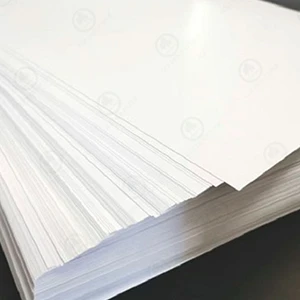
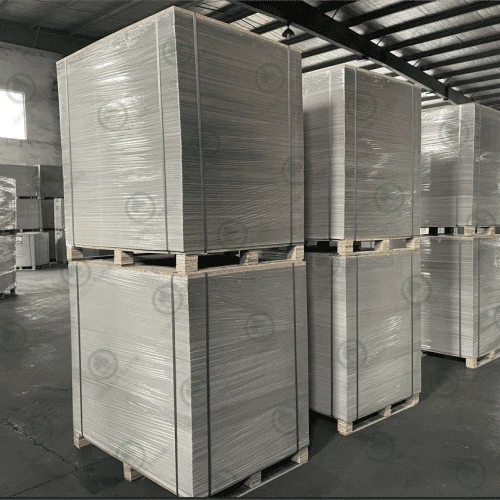
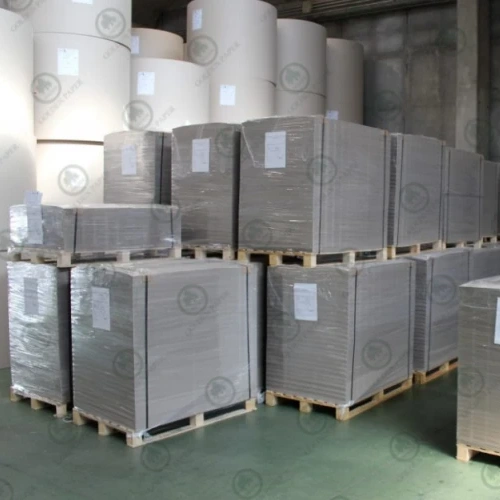
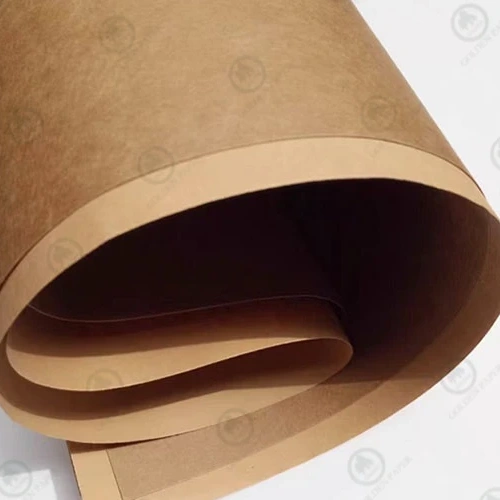
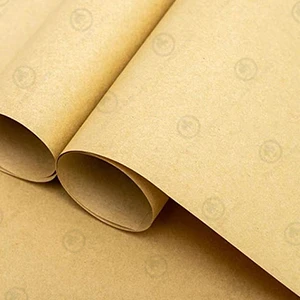
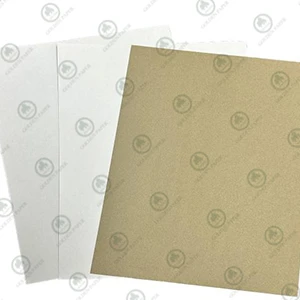
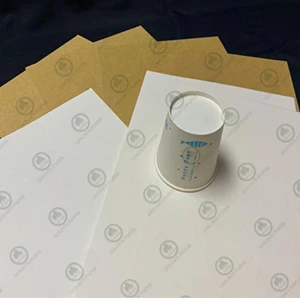
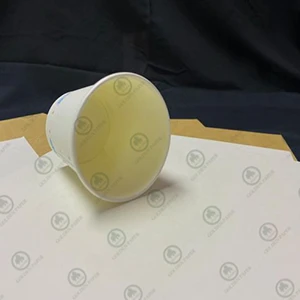
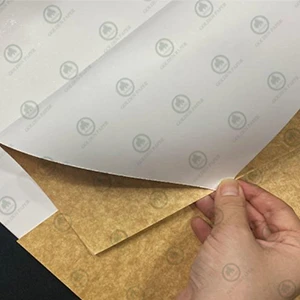
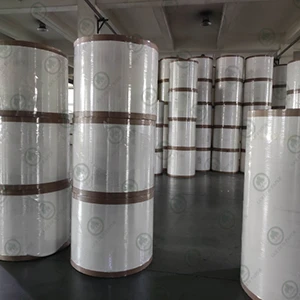
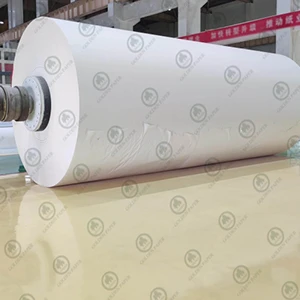
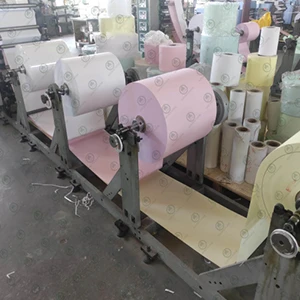
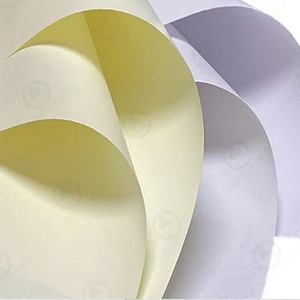
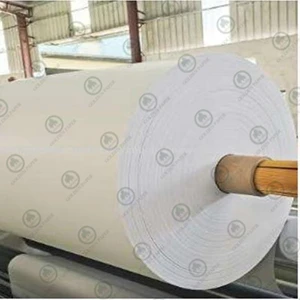
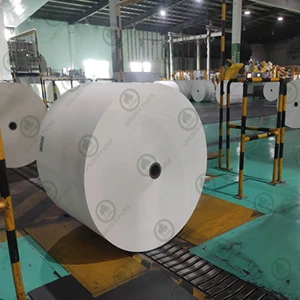

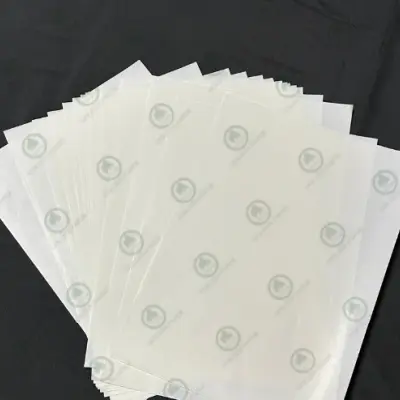
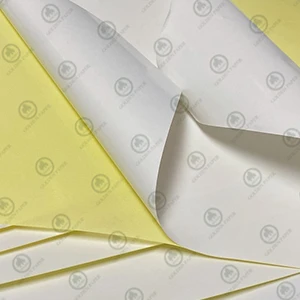
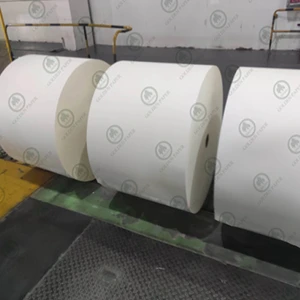

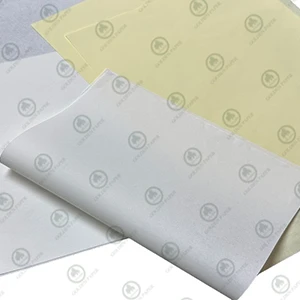


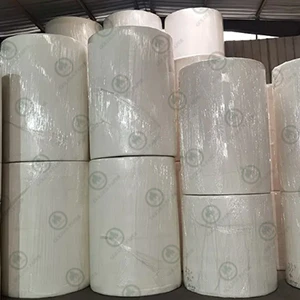
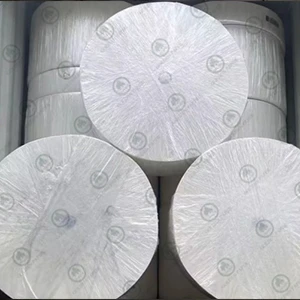

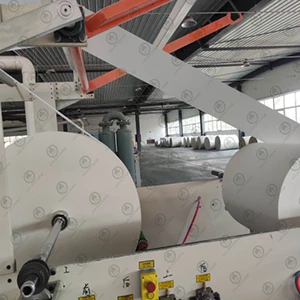
Bamboo pulp is a type of pulp made from natural bamboo through chemical or mechanical methods to extract plant cellulose fibers. As a non-wood fiber raw material with distinct Chinese characteristics, bamboo pulp has gained increasing attention from paper manufacturers due to its short growth cycle, rapid resource renewal, and strong environmental benefits.
Our factory selects high-quality bamboo mainly from southern regions, including Phyllostachys (Mao bamboo) and Nan bamboo forests. Its fiber length falls between wood pulp and grass pulp, possessing a balance of strength, flexibility, and uniform sheet formation. Bamboo pulp is widely used in environmentally friendly products such as tissue paper and other personal care paper series.
We use modern continuous cooking chemical pulping technology to ensure fiber retention and pulp purity. The main steps are:
Bamboo selection and crushing: Bamboo aged 3 to 5 years is selected and crushed into suitable sizes.
Alkaline cooking: Using sodium hydroxide as the main chemical agent, the bamboo chips are cooked under high temperature and pressure to remove lignin.
Washing, screening, and concentration: Impurities are removed, retaining high-purity fibers.
Bleaching (optional): Employing environmentally friendly ECF (Elemental Chlorine-Free) bleaching to meet high-brightness product requirements.
Drying and forming: The final product is formed into commercial bamboo pulp sheets.
We carefully control cooking temperature and time to minimize fiber damage and improve pulp uniformity and paper performance.
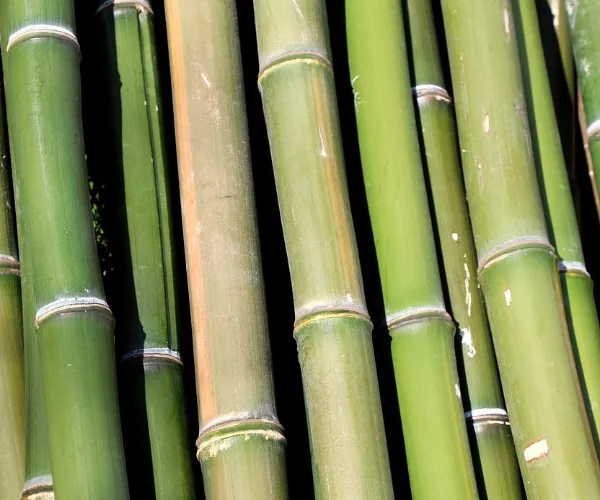
The natural properties of bamboo pulp give it unique advantages, making it especially suitable for paper & paperboard products that require high flexibility, skin-friendliness, and environmental attributes:
Medium fiber length: Approximately 1.2–2.5 mm, structurally between hardwood and softwood fibers.
Moderate toughness: Produces paper that is soft, tear-resistant, and skin-friendly, ideal for tissue paper.
High surface smoothness: Suitable for printing or coating applications.
Natural antibacterial properties: Bamboo contains inherent antibacterial components, a major advantage for sanitary paper products like toilet paper and facial tissue.
Light natural yellow color: Reduces bleaching agent use and chemical residue, improving environmental friendliness.
Our advanced screening and purification systems remove bamboo internode coarse fibers and fiber bundles, ensuring the final pulp performs closely to high-quality wood pulp.
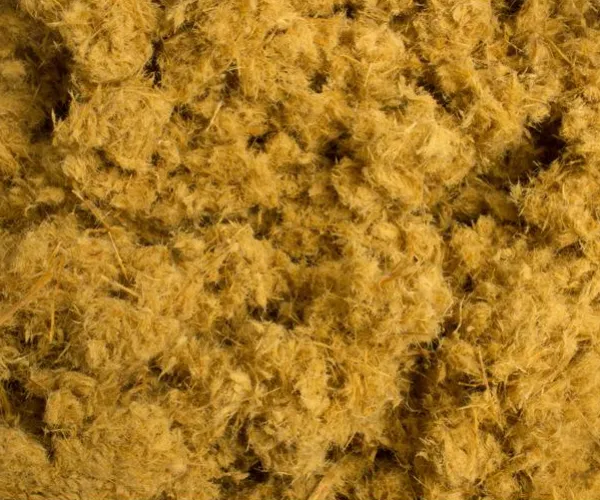
As a representative of non-wood fibers, bamboo pulp excels in environmental performance and is widely favored in international markets:
Rapid renewable resource: Bamboo matures in 3 to 5 years and naturally regenerates without replanting after harvesting.
Low carbon footprint: Bamboo forests have high carbon sequestration capacity, with overall carbon emissions significantly lower than wood pulp forests.
Sustainable harvesting systems: Most bamboo forests are managed by farmers or community forestry with dense planting, avoiding primary forest harvesting.
Less bleaching and biodegradable byproducts: Uses less bleaching agents, and the waste from pulping is easier to treat, fitting well within green factory systems.
Our paper board factory regards bamboo pulp paper as a key direction for developing low-carbon paper products and actively explores new application scenarios in line with eco-friendly packaging trends.
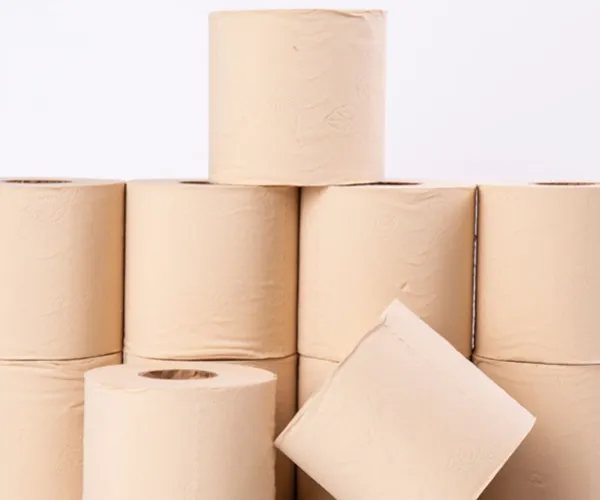
Our bamboo pulp raw materials mainly come from natural Mao bamboo forests in Sichuan, Guizhou, Jiangxi, Hunan, and other regions. We have established stable partnerships with multiple certified bamboo pulp mills.
Raw material requirements: Only natural mature bamboo aged 3 to 5 years is selected for optimal fiber strength and elasticity.
Factory certifications: Suppliers hold ISO 14001, FSC CoC, CFCC, and other qualifications.
Incoming inspections: Each batch is tested for moisture, dirt content, screening residue, beating degree, brightness, and impurity levels.
Finished product spot checks: Comprehensive evaluations include paper strength, printing adaptability, tensile strength, and bursting strength.
Our laboratory is also equipped with bamboo and wood pulp blending test platforms, offering performance testing and sample making services for customers.
Thanks to its natural, safe, and environmentally friendly properties, bamboo pulp paper is widely applied in:
Tissue paper: Such as facial tissues, toilet paper, kitchen towels, and wet wipe base paper—requiring high softness and flexibility, and widely adopted by leading tissue paper manufacturers.
Cultural paper: Including high-end books, vintage packaging, creative handmade paper, emphasizing eco-friendly texture.
Some paper products use a “bamboo pulp + wood pulp” blending process to balance performance and environmental benefits.