EN
EN
 fr
fr  de
de  es
es  it
it  ru
ru  pt
pt  ar
ar  vi
vi  tr
tr  id
id 

.webp "How Capacity Shifts and Cost Pressure Are Reshaping the Market")
Phone:
0086 27 688745330086 18049845758
 GOLDEN PAPER




















.webp "Digital Transfer Paper/Sublimation Paper")














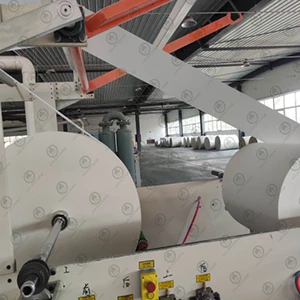
The global pulp and paper market saw several important developments this week. Supply-side changes were particularly noticeable, with a major Finnish pulp mill planning an extended shutdown, Chinese pulp inventories beginning to decline, and pulp prices showing signs of recovery.
For paper and packaging buyers, these changes are worth watching because they could affect pulp prices and purchasing costs in the fourth quarter of 2026.
One of the most important developments came from Finland. Metsä Fibre plans to carry out a six-week production shutdown at its Kemi bioproduct mill during October and November 2026. The shutdown will be linked to the renewal of the mill's cooking area and its annual maintenance.
The Kemi mill is an important source of pulp for the global market. A six-week production interruption could temporarily reduce available supply and provide some support for softwood pulp prices in Q4.
For buyers, however, this does not necessarily mean that paper prices will rise immediately. The final impact will depend on downstream demand, inventory levels, and whether supply from other producers can offset the temporary reduction.
The Chinese market also showed a change in supply conditions this week. According to market data cited in the original industry reports, major Chinese pulp port inventories fell to around 2.248 million tonnes as of August 13, while July pulp imports also declined from the previous month.
Lower inventories and reduced imports suggest that supply pressure in the Chinese market may be easing at the margin.
However, this should not be viewed as a clear signal of a strong market recovery. New domestic pulp capacity is expected to add supply later in the year, while many downstream paper mills continue to purchase mainly according to immediate demand.
Pulp futures also moved higher during the week, with the main contract recovering above RMB 4,700 per tonne. Spot prices for several softwood pulp grades in China also increased.
The rebound reflects improving sentiment on the supply side, but demand remains an important variable. Paper mills are still cautious about building large inventories, and many buyers continue to follow a just-in-time purchasing strategy.
This means the recent price recovery should be viewed as a market rebound rather than confirmation of a broad-based recovery.
For paper buyers, the key question is whether the price increase can continue once seasonal demand becomes clearer in late August and September.
Another major development this week came from Europe. The EU Packaging and Packaging Waste Regulation began applying on August 12, 2026. The regulation introduces new requirements covering packaging design, recyclability, materials and waste management.
For food-contact packaging, the regulation also introduces restrictions on PFAS, with specific limits applying from August 12, 2026.
This is particularly important for companies exporting food packaging and paper-based packaging products to the European market. Buyers should therefore pay more attention to material compliance, supplier documentation and food-contact requirements when planning future purchases.
Suzano, one of the world's largest pulp producers, reported adjusted EBITDA of R$4.7 billion for the second quarter of 2026. The company also reported 3.3 million tonnes of combined pulp and paper sales and R$11.6 billion in net revenue for the quarter. Both EBITDA and revenue were higher than in the previous quarter.
The results show that major producers are still benefiting from improvements in prices and sales volumes, even though the global market remains under pressure from costs and exchange-rate fluctuations.
At the same time, stronger results from some specialty paper producers in China suggest that demand and pricing conditions are improving in selected segments rather than across the entire paper market.
The market is currently being driven more by supply-side developments than by strong demand. The planned Kemi shutdown, lower Chinese pulp inventories and recent price increases could provide some support for pulp prices in Q4. However, cautious downstream purchasing means that the direction of the market is still not certain.
For paper buyers, two factors deserve particular attention over the next few weeks: whether the Kemi shutdown proceeds as planned and whether seasonal demand improves toward the end of August and September.
If you already have confirmed Q4 paper requirements, it may be worth discussing supply schedules and pricing with your suppliers early. In a market where pulp prices can move quickly, securing a reliable supply plan can be just as important as watching the next price movement. Welcome to contact Golden Paper for more information!