EN
EN
 fr
fr  de
de  es
es  it
it  ru
ru  pt
pt  ar
ar  vi
vi  tr
tr  id
id 

Phone:
0086 27 688745330086 18049845758
 GOLDEN PAPER


.webp "Digital Transfer Paper/Sublimation Paper")




The EU Packaging and Packaging Waste Regulation (PPWR) has applied since August 12, 2026. For paper packaging exporters, the regulation is changing how products are evaluated in the European market.
If you supply paper or paperboard to European customers, it is important to understand how PPWR may affect your products and what information buyers may expect from suppliers.
PFAS restrictions are one of the important issues for food-contact packaging.
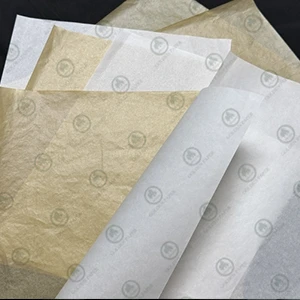
PFAS have been used in some paper packaging applications to provide resistance to grease and water. This makes the issue particularly relevant to products such as greaseproof paper and paper used for takeaway food packaging.
Under PPWR, food-contact packaging containing PFAS above the specified limits cannot be placed on the EU market. Paper exporters should therefore review the materials and treatments used in relevant products and prepare supporting test reports when required.
For food packaging suppliers, being able to show that a product meets the applicable requirements can make the purchasing process much easier for European customers.
PPWR also places greater emphasis on the recyclability of packaging.
From 2030, packaging placed on the EU market will need to meet applicable design-for-recycling requirements. Further requirements will be introduced over the following years, with additional criteria taking effect from 2035 and stricter requirements from 2038.
For paper packaging, this does not mean that using paper automatically makes the final package compliant.
The final packaging may contain a coating or barrier layer that affects how it can be recycled. Other materials added during converting can also influence its recyclability.
This means paper suppliers need to understand how their products will be used in the finished package and communicate relevant material information to their customers.
European buyers may increasingly ask suppliers for technical information to support their PPWR compliance work.
For example, a customer may need documentation showing the properties and composition of a paper product. For food-contact applications, additional compliance documents or test reports may also be requested. If a product has a coating or barrier treatment, information about that treatment can become important during the customer's packaging assessment.
Certification such as FSC or PEFC may also support the customer's wider sourcing requirements, although certification alone does not mean that a product is compliant with PPWR.
Preparing these documents in advance can help suppliers respond to customer requests more efficiently.
PPWR compliance should not be treated as something to consider only when a European customer places an order.
Paper exporters can start by reviewing the materials and treatments used in their packaging products. They should also organize product information and supporting documents so that customers can obtain the relevant information without unnecessary delays.
It is equally important to understand the customer's final packaging application. The compliance of a finished package depends on its complete structure, rather than the paper material alone.
As the EU continues to develop detailed rules under PPWR, exporters should also keep track of new technical requirements and implementation guidance.
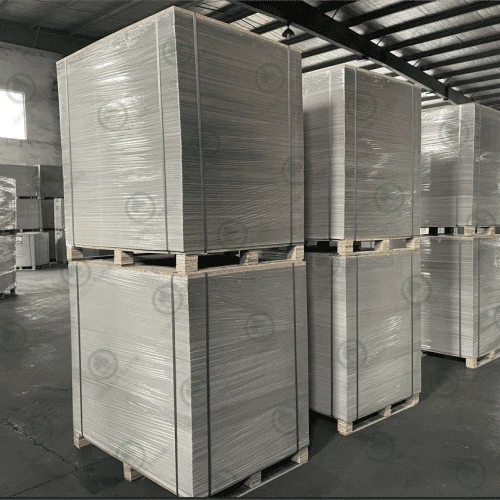
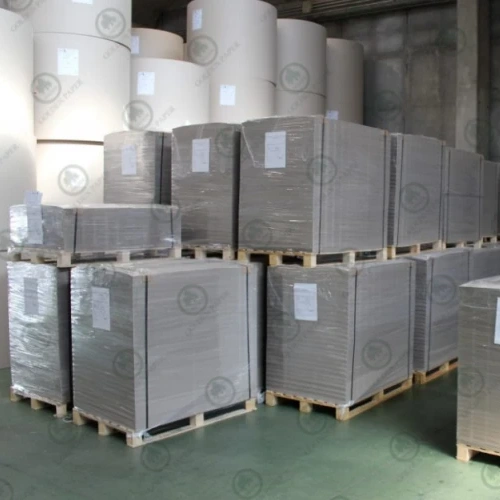
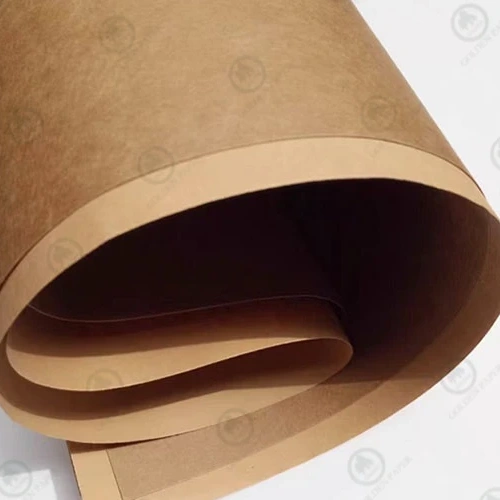
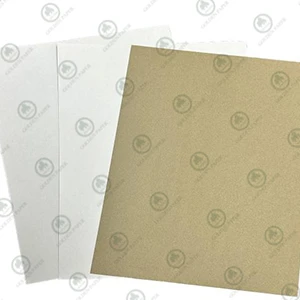
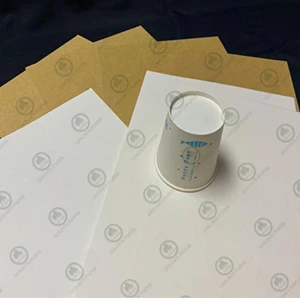
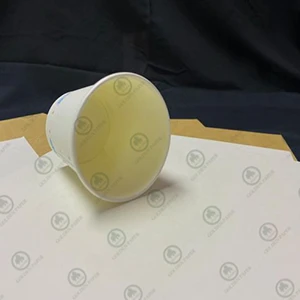
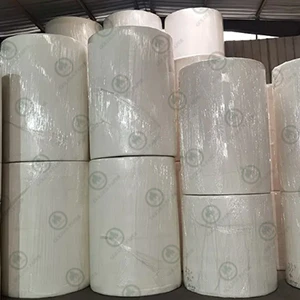
Golden Paper supplies paper and paperboard for packaging applications, including food packaging paper, liquid packaging board, cupstock paper, kraft paper, and greaseproof paper.
For customers serving the European market, we can provide product specifications and relevant technical documents according to the product and its intended application.
As PPWR continues to influence packaging requirements in Europe, we will continue to work with customers to provide suitable paper materials and the technical information needed for their projects.
Looking for paper or paperboard for packaging applications in Europe? Contact Golden Paper to discuss your requirements.