EN
EN
 fr
fr  de
de  es
es  it
it  ru
ru  pt
pt  ar
ar  vi
vi  tr
tr  id
id 

.webp "Latin America Packaging Market Trends and Paper Demand Analysis")
Phone:
0086 27 688745330086 18049845758
 GOLDEN PAPER

















.webp "Digital Transfer Paper/Sublimation Paper")











In the future, paper procurement will focus not only on product prices but also on supply chain stability. Early planning and choosing the right supply partner will help companies remain competitive in an increasingly uncertain global trade environment. For many paper importers, a change that is easy to overlook has recently emerged: supplier quotations may not have increased significantly, but the actual landed cost of paper products is higher than before.
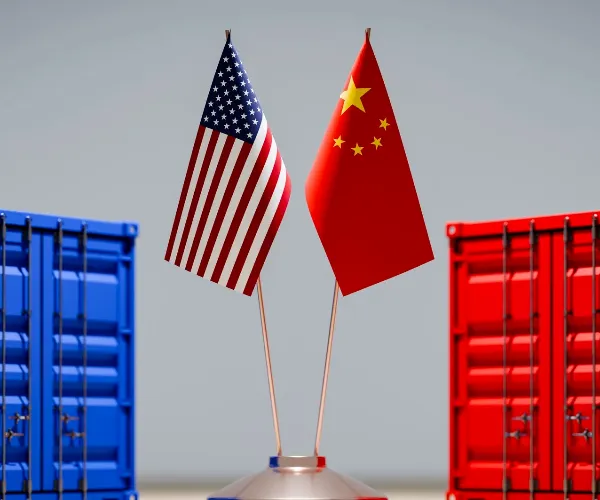
This change is not caused entirely by pulp prices or paper production costs. Instead, adjustments in the international logistics market are playing an increasingly important role. As freight rates on some shipping routes continue to rise, ocean transportation costs are once again influencing global paper trade and changing how buyers evaluate suppliers and develop procurement strategies.
For paper products, which are considered bulk commodities, transportation costs have a greater impact than in many other industries. Paper has relatively high weight but limited value per unit, meaning changes in logistics expenses are directly reflected in the final cost per ton.
The paper trade has long relied on international ocean transportation. Whether it is offset paper for book printing, coated paper for commercial printing, or liquid packaging board and ivory board for food packaging applications, many paper products need to be shipped by container to overseas markets.
Taking a 40HQ container shipment as an example, one container can usually carry around 20 to 25 tons of paper products. If ocean freight on a specific route increases from USD 2,000 per container to USD 4,000, the additional transportation cost would be around USD 2,000 per container.
Based on a 20-ton loading capacity, this means the freight increase adds approximately USD 100 per ton to the paper cost.
For companies importing hundreds or even thousands of tons of paper each year, this change can significantly affect their annual procurement budget. Even if suppliers maintain the same paper price, the importer’s final landed cost may still increase considerably.
As a result, more paper buyers are paying attention not only to supplier quotations but also to the total procurement cost, including product price, transportation expenses, and delivery time.
In the past, many buyers mainly focused on the price difference per ton when selecting paper suppliers. However, under the current international trade environment, simply comparing quotations no longer provides a complete picture of the actual purchasing cost.
For example, when purchasing packaging paper, one supplier may offer a lower FOB price, but a longer distance from the export port or less flexible shipping arrangements may result in higher logistics costs.
Another supplier may have a slightly higher paper price but can arrange production earlier and provide more suitable shipping solutions based on market conditions. As a result, the final landed cost may be more competitive. This means paper procurement is gradually moving away from focusing only on the lowest price and toward evaluating the overall supply cost.
For long-term paper importers, a supplier’s export experience and ability to coordinate production and transportation are becoming increasingly important factors in purchasing decisions.
The impact of rising ocean freight costs is not limited to pricing. When the shipping market becomes unstable, delivery schedules may also be affected. Some routes may experience vessel schedule changes, port congestion, or limited container availability, making inventory management more challenging for importers.
For printing companies and packaging manufacturers, delays in paper supply can affect their production plans. For example, if a packaging factory does not receive liquid packaging board or ivory board on time, it may not only interrupt its own production schedule but also delay deliveries to downstream customers.
Therefore, more companies are adjusting their procurement strategies by planning orders earlier to reduce the risks caused by transportation uncertainty. With international shipping conditions constantly changing, buyers need to consider more than just a supplier’s production capacity. Paper export involves multiple stages, including manufacturing, packaging protection, export documentation, and transportation coordination. Each step can influence the final delivery result.
Paper manufacturers with extensive export experience can arrange production schedules according to different market requirements and coordinate logistics resources in advance, helping customers reduce the impact of transportation fluctuations.
For global importers, building long-term partnerships can also improve their ability to respond to supply chain changes. As a paper supplier serving international markets, Golden Paper has been providing printing paper and packaging paper solutions to customers worldwide.
Facing changes in the global logistics environment, we help customers better plan their procurement cycles and reduce uncertainty in cross-border paper purchasing through established production systems and export experience.
As global trade continues to evolve, paper procurement is entering a new stage where supply chain management becomes increasingly important. For importers, choosing a long-term supply partner will become a key factor in controlling costs and ensuring stable supply.
Rising ocean freight costs are changing the way companies purchase paper globally. In the future, buyers will no longer focus only on supplier paper prices. Instead, they will evaluate the combined value of product costs, transportation expenses, and delivery capability. In an environment of continuous changes in international trade, early procurement planning and cooperation with experienced paper exporters will help companies better manage market fluctuations and maintain competitiveness.