EN
EN
 fr
fr  de
de  es
es  it
it  ru
ru  pt
pt  ar
ar  vi
vi  tr
tr  id
id 



Phone:
0086 27 688745330086 18049845758
 GOLDEN PAPER















.webp "Digital Transfer Paper/Sublimation Paper")












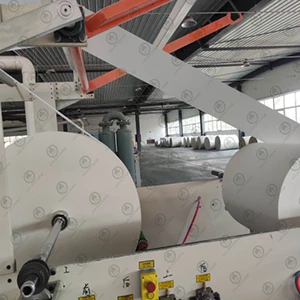
The 8% shipment decline is not the end of paper demand, but a transformation of where and how paper is used.
According to the latest data released by the American Forest & Paper Association (AF&PA), U.S. printing-writing paper shipments declined by 8% in June 2026 compared with the same period last year. The decrease has attracted attention across the paper industry, with some market participants questioning whether traditional paper demand is entering a long-term decline.
However, the changing numbers tell a more complex story.
The reduction in printing paper consumption does not represent the disappearance of paper demand as a whole. Instead, it reflects a broader transformation taking place across global markets. As digital communication replaces certain printing applications, demand is gradually shifting toward packaging materials, functional papers, and specialty grades that support new consumption patterns.
For paper buyers and suppliers, understanding this transition is becoming increasingly important when planning future sourcing strategies.
One of the major factors behind the decline in printing-writing paper shipments is the continued expansion of digital alternatives.
Business communication has changed significantly over the past decade. Many documents that previously required physical printing, including invoices, internal reports, and promotional materials, are now handled through digital platforms. This shift has permanently reduced demand for some traditional printing grades, especially in markets where companies have completed their digital transformation.
For suppliers focused mainly on conventional printing paper, this change requires a different approach. The market is no longer driven by overall paper consumption growth. Instead, opportunities increasingly depend on identifying applications where paper still provides unique value.
Paper products that simply transfer information face stronger pressure from digital solutions. Meanwhile, grades that offer specific performance advantages continue to maintain their market position.
While some printing paper applications are declining, packaging demand continues to create new opportunities for the paper industry.
The rapid growth of e-commerce has changed how products move through global supply chains. Every online purchase requires protection during transportation, which has increased demand for corrugated packaging, folding cartons, and other fiber-based solutions.
This shift has also been supported by sustainability requirements. Brands and retailers are under growing pressure to reduce plastic usage and improve packaging recyclability. As a result, paper-based packaging materials are becoming an increasingly important alternative.
The change can be seen across different industries. Food companies are investing in paper-based food packaging. Consumer goods brands are redesigning cartons with renewable fiber materials. Logistics companies are looking for packaging solutions that balance protection, cost efficiency, and environmental responsibility.
For procurement teams, this means paper purchasing decisions are becoming more closely connected with packaging strategy. The question is no longer simply how much paper a company needs, but which paper grades can support future business growth.
Beyond packaging, specialty paper products are gaining attention because they provide functions that digital solutions cannot easily replace.
Thermal paper used in logistics labels, retail receipts, and shipping documents continues to benefit from global trade growth. The expansion of warehouses and delivery networks has created steady demand for materials that support fast and reliable information tracking.
Other functional papers, including label papers, food-grade papers, and industrial-use papers, are also becoming more important. These products are not purchased only for their printing surface. Their value comes from performance characteristics such as durability, barrier properties, and processing compatibility.
This trend reflects a larger change within the paper industry. Buyers are increasingly looking for materials designed for specific applications rather than general-purpose paper products.
Another important factor behind the decline in U.S. printing paper shipments is the restructuring of global production capacity.
In recent years, some traditional paper mills in high-cost regions have reduced production or exited certain paper segments. Rising operating expenses, changing market conditions, and increased competition have made commodity printing paper more challenging to produce profitably in some regions.
At the same time, paper production capacity continues to expand in markets with competitive manufacturing advantages. Global suppliers are becoming more connected through international trade, allowing buyers to access a wider range of products and sourcing options.
As a result, a decline in one regional market does not always represent a global decline in consumption. In many cases, it reflects a shift in production location and supply chain structure.
For international buyers, supplier selection has become more important than ever. Cost competitiveness remains a key consideration, but factors such as production stability, quality control, certification standards, and delivery capability are playing a larger role in purchasing decisions.
The current changes in paper demand provide several important lessons for procurement teams.
Companies should review whether their existing paper purchasing structure matches current market trends. Traditional printing paper applications that are disappearing may require adjustment, while growing segments such as packaging and specialty papers deserve greater attention.
At the same time, supply chain flexibility will become increasingly valuable. Working with manufacturers that have diversified product capabilities allows buyers to respond more effectively when market conditions change.
Sustainability will also remain a major purchasing factor. Certifications such as FSC, FDA compliance for food-related applications, and ISO quality management systems are becoming essential requirements for global buyers who need reliable and responsible supply partners.
The decline in U.S. printing-writing paper shipments represents a significant industry change, but it should not be interpreted as the end of paper.
The market is moving toward applications where paper delivers greater functional value. Packaging materials, specialty grades, and sustainable solutions are becoming the areas where future growth is concentrated.
As a global paper supplier, Golden Paper Group continues to focus on developing products that meet these evolving market needs. Through a broad portfolio covering printing paper, packaging board, and specialty paper solutions, the company supports customers worldwide in adapting to a changing paper landscape.
For today’s buyers, the key challenge is not deciding whether paper will remain important. The real challenge is identifying which paper products will define the next stage of industry growth.