EN
EN
 fr
fr  de
de  es
es  it
it  ru
ru  pt
pt  ar
ar  vi
vi  tr
tr  id
id 

Phone:
0086 27 688745330086 18049845758
 GOLDEN PAPER


.webp "Digital Transfer Paper/Sublimation Paper")





The global food packaging market is entering a period of structural growth. According to the latest report from MarketsandMarkets, the global food packaging market is expected to reach USD 421.38 billion in 2025 and further expand to USD 548.51 billion by 2030, representing a compound annual growth rate (CAGR) of 5.4%.
Against this backdrop, the food-contact specialty paper market is showing particularly strong momentum. Data indicates that the global food-contact specialty paper market reached RMB 96.98 billion in 2024 and is expected to exceed RMB 118 billion in 2025. By 2030, the market is projected to reach RMB 137.63 billion, with a six-year CAGR of 6.01%.
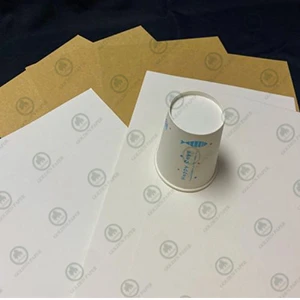
The growing popularity of coffee culture worldwide has become a major driver of demand for food-grade packaging paperboard. According to the International Coffee Organization, China’s per-capita coffee consumption increased fourfold between 2010 and 2022. Research firm World Coffee Portal reported that China surpassed the United States last year to become the country with the largest number of branded coffee shops, with nearly 50,000 locations nationwide. Coffee consumption in China increased from 9 cups per person annually in 2016 to 16.74 cups in 2023. Shanghai, often regarded as the country's coffee capital, is expected to reach annual per-capita consumption of around 50 cups, significantly higher than the national average of 22.24 cups. This consumption trend has directly driven strong demand for paper cup base paper and food packaging board.
The rapid expansion of the food delivery market has also created significant demand for food-grade packaging paperboard. In China, the food delivery market continued to expand throughout 2024, leading to a sharp increase in demand for greaseproof paper and other food-contact packaging materials. China accounts for approximately 58% of global greaseproof paper consumption, reflecting the powerful impact of the delivery economy on packaging demand. The disposable paper cup market is also maintaining strong growth. In 2024, the global disposable paper cup market reached RMB 32.38 billion. Key growth drivers include the expansion of food delivery services and the foodservice industry, increasing consumer demand for hygiene and convenience, and growing interest in environmentally friendly products.
The sustainability transition of restaurant chains is creating new opportunities for the food packaging paperboard market. In December 2025, McDonald’s China announced another upgrade to its sustainable packaging initiative. More than 7,500 restaurants across the country are gradually adopting new bio-based packaging solutions. The upgraded packaging uses polylactic acid (PLA) and paper materials as its core components and is expected to reduce the use of petroleum-based plastics by more than 5,800 tons annually. During the development process, approximately 100 packaging solutions were evaluated and more than two million operational tests were conducted, resulting in successful large-scale adoption of bio-based packaging. Francesca DeBiase, Chief Supply Chain and Sustainability Officer of McDonald’s, stated that as one of the world’s largest restaurant companies, McDonald’s has a responsibility to leverage its scale to drive positive change, noting that packaging waste remains one of the most urgent environmental issues for consumers.
From a regional perspective, the global food-contact specialty paper market is currently dominated by three major regions. Europe holds a 38.6% market share, supported by strong technological advantages. North America accounts for 25.1% of the market and maintains a leading position in research and development. Asia-Pacific represents 24.2% of the market and is experiencing rapid capacity expansion, making it a key driver of future industry development. Although the Middle East, Africa, and Latin America currently hold smaller shares, they represent significant growth potential for emerging markets. Regulatory changes in Europe are also opening substantial opportunities for paper-based food packaging. In May 2024, the European Parliament approved a new agreement that will prohibit certain single-use plastic food and beverage packaging in cafés and restaurants starting January 1, 2030. Plastic packaging for individual portions of condiments, sauces, creamers, and sugar will also be banned, accelerating the transition toward paper-based packaging solutions in the foodservice sector.
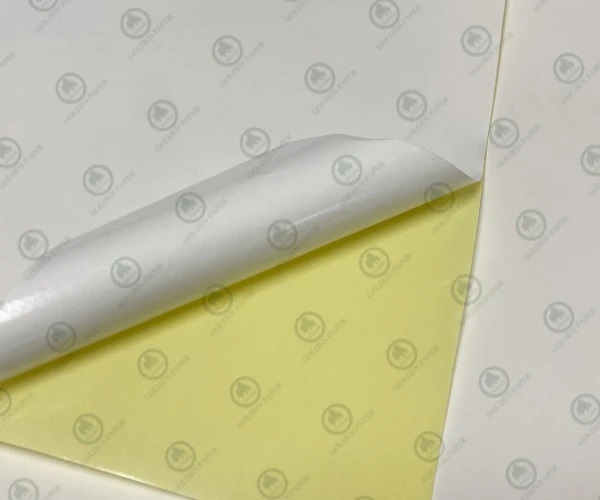
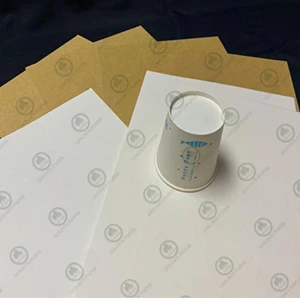
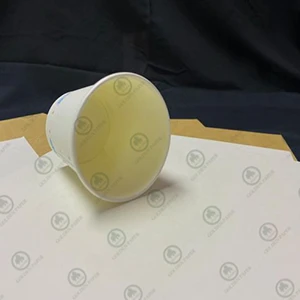
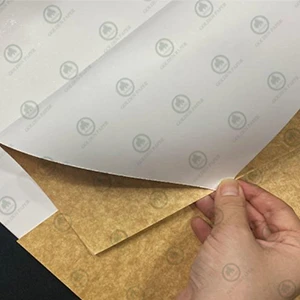
Technological innovation continues to serve as a key growth driver for the food packaging paperboard industry. Advances in food-grade silicone release base paper mark a shift from passive protection to more application-oriented packaging solutions. Basis weights ranging from 21 to 50 g/m² can be tailored to different food packaging requirements. Through nano-silicone coating technology, paper bowl forming times can be reduced to approximately 60% of traditional production processes. For large-scale buyers such as KFC China, which purchases hundreds of millions of paper bowls annually, this innovation contributes to significant carbon emission reductions. Meanwhile, next-generation bio-based coatings enable paper cups to be industrially compostable while maintaining excellent water and grease resistance, addressing the recyclability challenges associated with traditional PE-coated paper cups.
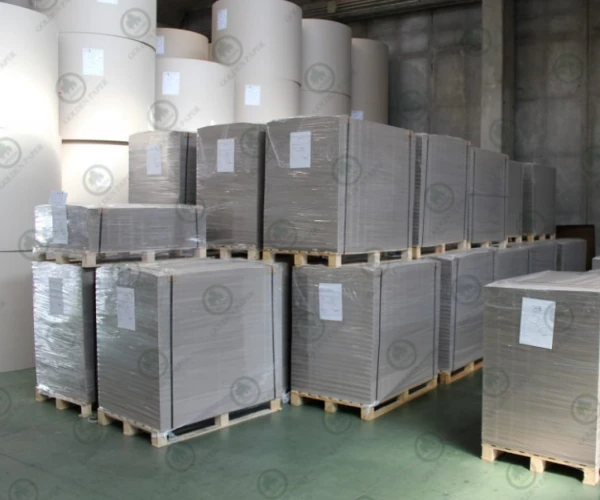
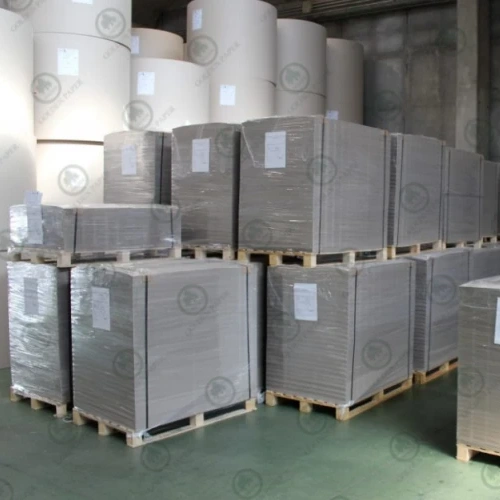
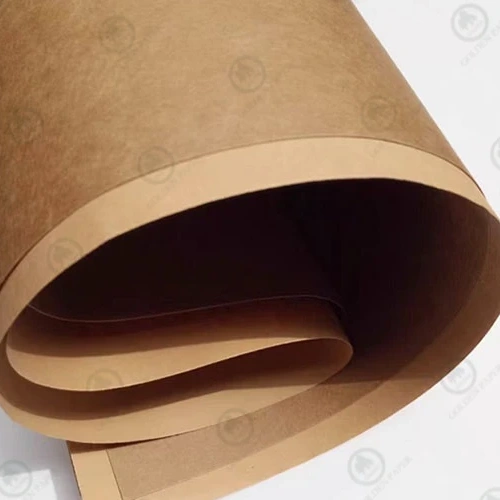
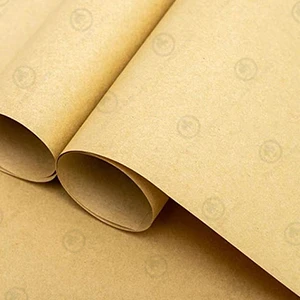
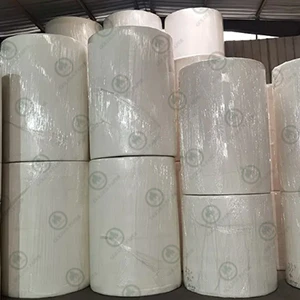
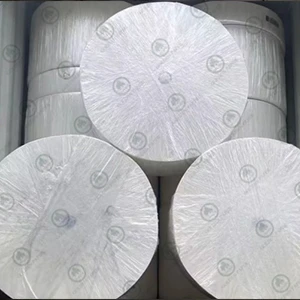
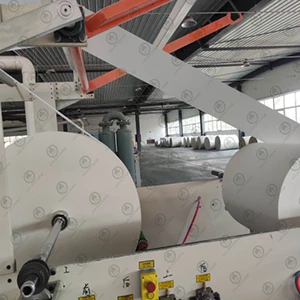
Golden Paper Group offers comprehensive certification coverage and strong production capacity in the food-grade packaging paperboard sector. The company’s products are FDA certified and fully comply with U.S. food-contact material standards. They also meet EU food-contact requirements and are supported by ISO 22000 Food Safety Management System certification. Golden Paper’s food packaging portfolio includes food packaging board, greaseproof paper, food-grade silicone release paper, PE-coated paperboard, and other food-contact packaging materials, serving a wide range of food packaging applications. With annual production capacity exceeding one million tons, the company ensures stable supply for large-volume orders. Diversified raw material sourcing, including virgin wood pulp, bamboo pulp, and recycled pulp, helps reduce supply risks, while its logistics network covering more than 100 countries provides efficient service to customers worldwide.
As the food-grade packaging paperboard market enters a golden growth period between 2025 and 2030, Golden Paper Group recommends that international buyers begin planning supply chain transitions in advance, prioritize testing and certification of paper-based packaging alternatives, and establish long-term partnerships with reliable paper packaging suppliers to prepare for the impact of Europe’s 2030 plastic reduction regulations. Driven by rising environmental awareness, continued growth in food delivery services, and the sustainability transformation of restaurant brands, paper-based food packaging is expected to enter a new phase of expansion over the next five years. Golden Paper Group will continue investing in product development and capacity expansion while working with customers worldwide to capture the opportunities created by this historic market growth cycle.