EN
EN
 fr
fr  de
de  es
es  it
it  ru
ru  pt
pt  ar
ar  vi
vi  tr
tr  id
id 

Phone:
0086 27 688745330086 18049845758
 GOLDEN PAPER






.webp "Digital Transfer Paper/Sublimation Paper")




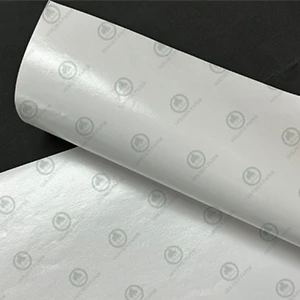
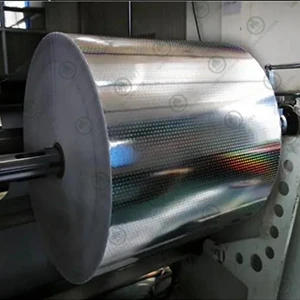
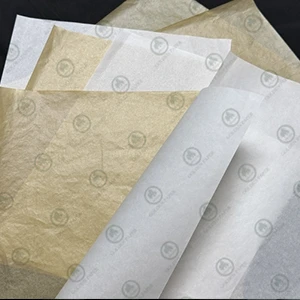


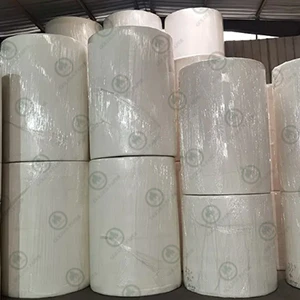

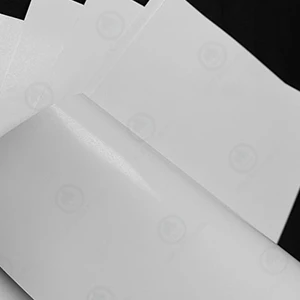
When shopping for copy paper, one of the things that can catch your eye is the price. Whether you are looking to stock up on paper for your office, school, or personal use, understanding the factors that influence copy paper prices can help you make informed decisions and possibly save some money in the process.
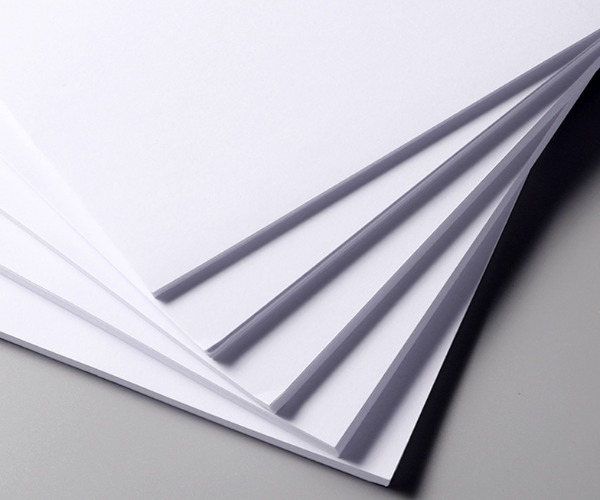
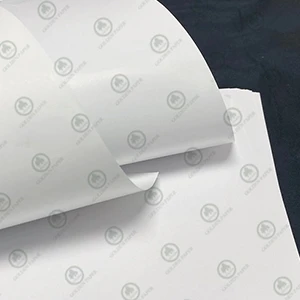
One of the primary factors that affect the copy paper price is the quality of the paper itself. Higher quality paper that is thicker, brighter, and more durable will typically cost more than lower quality paper. Premium copy paper is often made from wood pulps that have longer fibers, resulting in a smoother texture and better printing results. The quality of the paper will also impact how well it performs in your printer, reducing the risk of jamming or smudging. Brightness and opacity also play an important role in determining the price. Brighter paper is often preferred for color printing because it enhances contrast and visual clarity, but it generally costs more. Higher opacity prevents text and images from showing through on the other side, making it ideal for double-sided printing. Both factors contribute to performance and price.
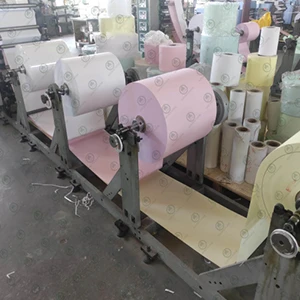
Advanced paper manufacturing technologies, such as TCF (Totally Chlorine Free) bleaching and high-bond fiber pulping, also affect quality and cost. Papers produced with these methods are less prone to yellowing over time and provide smoother printing surfaces, which can justify a higher price.
Another factor that can influence the copy paper price is the reputation of the brand. Established brands of paper and paperboard suppliers that are known for their quality, reliability, and sustainability may charge a premium for their products. Consumers are often willing to pay more for a brand that they trust, as they believe they are getting a superior product. On the other hand, lesser-known brands or generic options may offer similar quality at a lower price point. Packaging and distribution can also influence copy paper pricing. Paper that comes with protective, moisture-resistant packaging may be slightly more expensive but offers better storage stability. In addition, distribution channels and transportation costs — such as local suppliers versus imported paper — can also affect the final price you pay.
Some premium brands also offer value-added services such as moisture-resistant packaging, guaranteed uniformity in thickness, or strict quality control certifications, which can further influence the final price. These additional assurances reduce waste and improve print performance for professional applications.
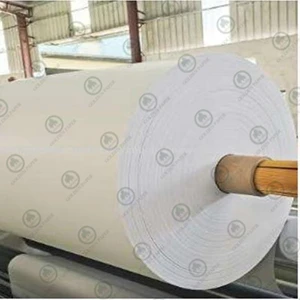
The weight of the paper is another important factor to consider when looking at copy paper prices. Paper weight is measured in grams per square meter (gsm), with higher gsm indicating thicker and heavier paper. Heavier paper is often more durable and has a better feel, making it suitable for important documents or presentations. However, heavier paper also tends to be more expensive than lighter options. For standard printing needs, a paper weight of around 80 gsm is usually sufficient and cost-effective. Another factor to consider is paper size and format. Standard sizes like A4, Letter, and A3 are usually the most cost-effective because they are mass-produced. However, non-standard or custom sizes often require special cutting or production, which can increase the overall cost of the paper.
Choosing the right weight also depends on intended use. For example, 70-80 gsm papers are ideal for everyday printing, while 90-120 gsm papers are preferred for reports, brochures, or presentations that require a more professional feel. Heavier papers may also improve ink absorption and prevent bleed-through, especially in duplex printing.
In recent years, there has been a growing demand for environmentally friendly products, including copy paper. Eco-conscious consumers may be willing to pay a higher price for paper that is certified sustainable, recycled, or made from responsibly sourced materials. Paper that is FSC-certified, recycled, or chlorine-free is seen as more environmentally friendly and can come at a premium. While these options may be pricier, they help reduce the environmental impact of paper production and support sustainable practices.
Certifications such as FSC, PEFC, or SFI help verify that the paper comes from responsibly managed forests. Moreover, recycled papers can often be reprocessed multiple times, reducing waste and conserving natural resources. Some eco-friendly papers are also chlorine-free, further minimizing environmental impact.
In conclusion, the copy paper price can be influenced by various factors, including the quality of the paper, brand reputation, paper weight, and eco-friendly features. Understanding these factors can help you make informed decisions when shopping for copy paper and finding the right balance between cost and quality. By considering these factors, you can choose the copy paper that best meets your needs and budget while ensuring satisfactory printing results.
Next time you are shopping for copy paper, take a closer look at these factors to determine the best value for your money. Remember that the copy paper price can vary based on these factors, so it's essential to prioritize what matters most to you – whether it's quality, brand, sustainability, or cost-effectiveness. Ultimately, finding the right copy paper at the right price will help you meet your printing needs without breaking the bank.