EN
EN
 fr
fr  de
de  es
es  it
it  ru
ru  pt
pt  ar
ar  vi
vi  tr
tr  id
id 

Phone:
0086 27 688745330086 18049845758
 GOLDEN PAPER

.webp "Digital Transfer Paper/Sublimation Paper")
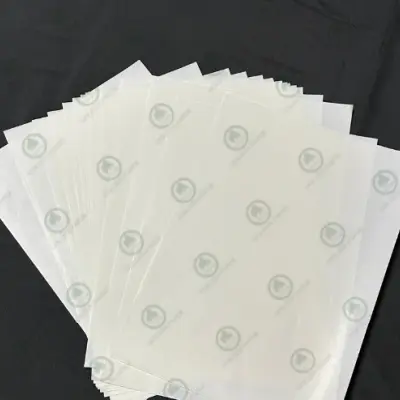
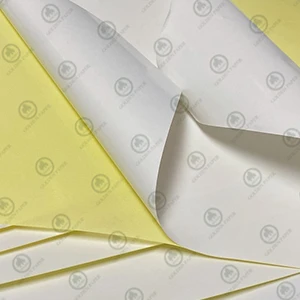
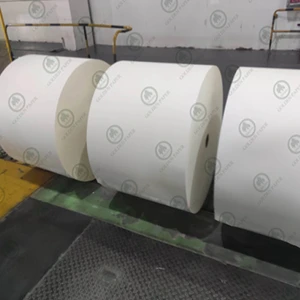

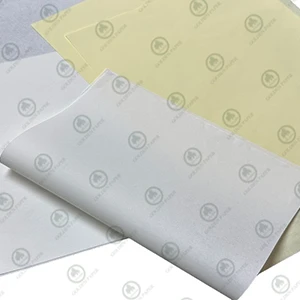

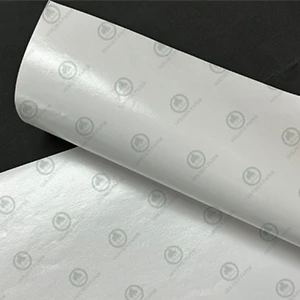
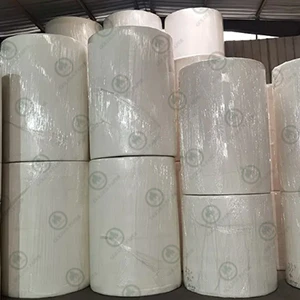
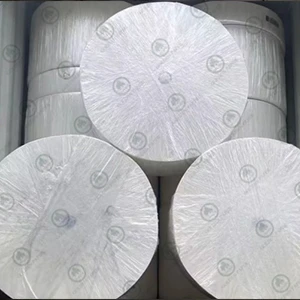

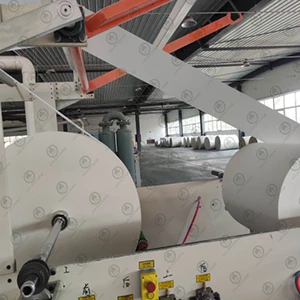
Parchment paper is widely used in food packaging and baking because it comes into direct contact with food. However, many buyers still worry about whether parchment paper is safe at high temperatures and whether it may release harmful substances during use. When sourcing parchment paper, it is natural to consider its safety performance. If you are interested in this topic, keep reading.
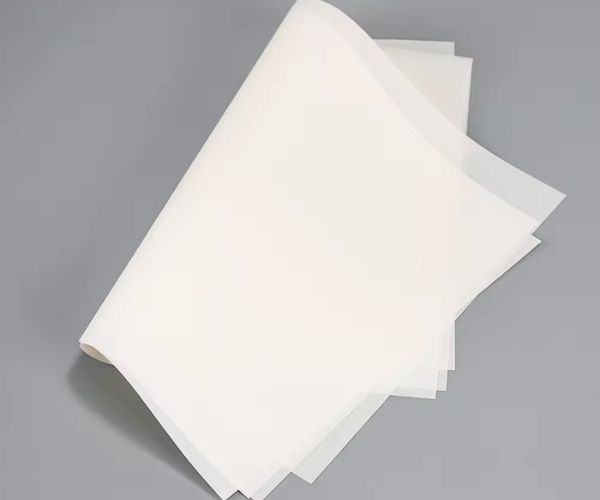
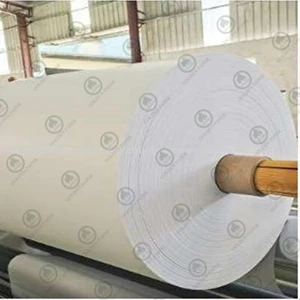
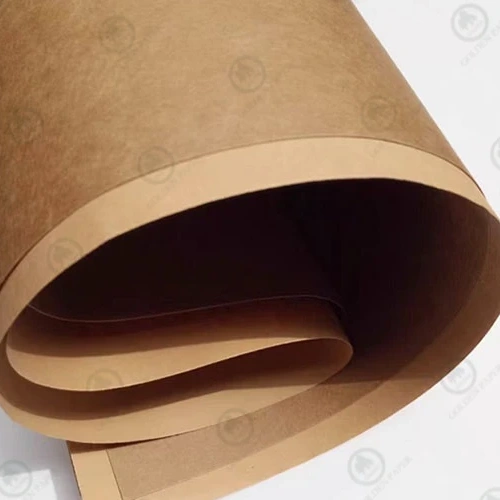
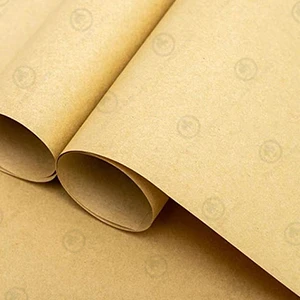
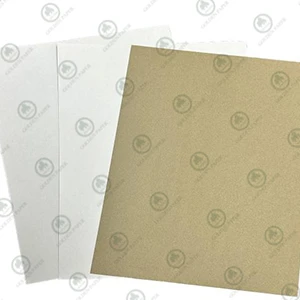
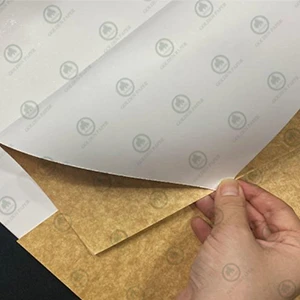
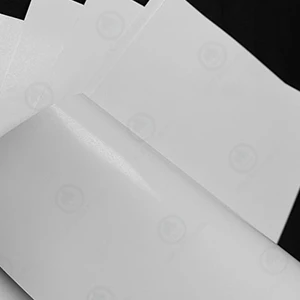
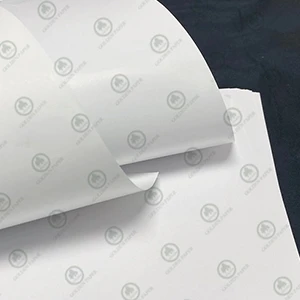
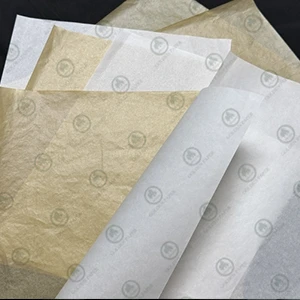
Parchment paper, also known as vegetable parchment paper, is a functional food packaging paper made through a special processing method. Compared with ordinary paper, its fiber structure is much denser, which gives it strong grease resistance and good heat resistance.
Originally, parchment paper was not developed for baking. It was first created as an alternative to traditional animal parchment materials. As papermaking technology improved, manufacturers began using plant fibers to imitate the dense structure of natural parchment, which gradually led to the development of modern vegetable parchment paper.
Today, parchment paper is widely used in the food industry. Many food packaging companies choose this material not only because it can resist oil penetration, but also because it remains stable under high temperatures. It is less likely to leak oil, crack, or create chemical migration issues during food contact.
In the European market, vegetable parchment paper is commonly used for butter wrapping, candy interleaving, and bakery packaging. In Latin America, it is more often used in fast food wrapping and food processing applications.
When buyers learn about vegetable parchment paper, they are usually more concerned about production safety than appearance. Even if the paper has good grease resistance, poor manufacturing control may still create chemical residue risks.
Vegetable parchment paper is typically made from virgin wood pulp or cotton pulp. Manufacturers prefer virgin plant fibers because fiber purity directly affects food contact safety. If the raw material contains too many impurities or recycled fibers, the stability of the paper may be affected.
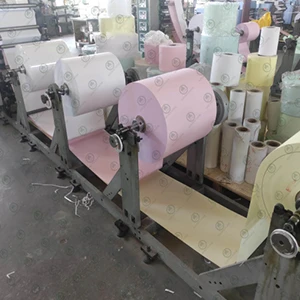
After the base paper is formed, it enters the key parchmentizing process. During this stage, the paper surface is briefly treated with sulfuric acid. Many people become concerned when they hear the word sulfuric acid, but in reality, the critical factor is not whether acid is used, but whether the following treatment process is properly controlled.
The acid treatment creates a gelatinization reaction on the fiber surface. This process strengthens the bond between fibers and significantly reduces the internal pores of the paper. As a result, the paper becomes much more resistant to grease and moisture penetration.
If acid residue is not properly controlled, food safety problems may occur. For this reason, professional parchment paper manufacturers use multiple washing, neutralization, and deacidification steps after parchmentizing. Continuous cleaning removes most of the remaining acidic substances and helps the final paper maintain a nearly neutral pH value.
Because of this, the real factor that determines whether parchment paper is safe is not simply the acid treatment itself, but whether the manufacturer has a mature and stable production process.
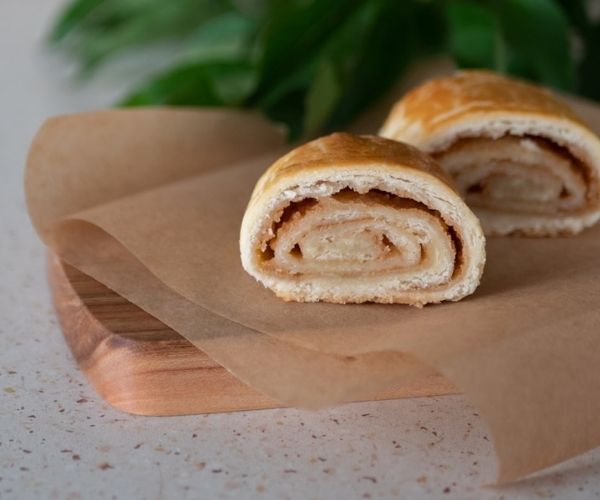
As food packaging demand continues to grow, different types of parchment paper have been developed for different food processing applications.
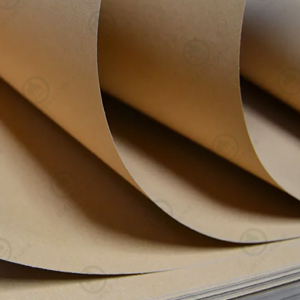
Vegetable parchment paper is currently the most common type. This paper mainly relies on the parchmentizing process to create its grease-resistant structure. Even without additional coatings, it can still provide reliable oil resistance.
Many food packaging companies prefer this material because it performs well when in contact with oily foods and maintains a more natural fiber composition.
Some baking applications require stronger non-stick performance, especially in cake baking and bread processing. In these situations, manufacturers often apply a silicone coating to the surface of the parchment paper.
The silicone layer reduces adhesion between food and paper, making food release easier during baking and processing.
However, food companies usually pay close attention to whether the silicone coating meets food-grade standards, since this directly affects safety under high-temperature conditions.
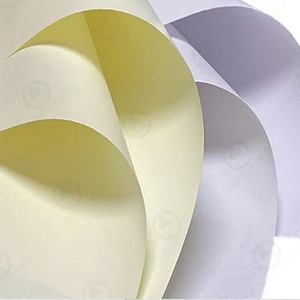
In recent years, demand for unbleached parchment paper has increased significantly in Europe. The reason is not simply related to color differences. More brands are focusing on sustainable packaging and environmentally responsible materials.
Unbleached parchment paper usually undergoes less chemical bleaching treatment, so many consumers consider it closer to a natural material. This type of parchment paper is especially common in organic food packaging applications.
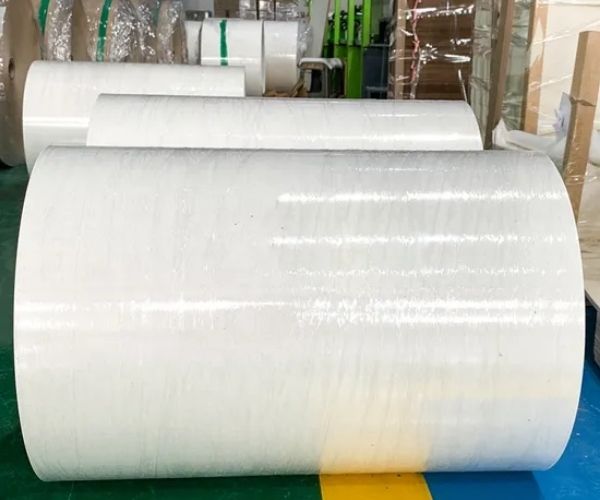
Many food packaging problems do not appear under normal conditions. They often occur during long-term contact with grease, heat, or food substances. Because of this, chemical safety has become one of the most important standards for food grade parchment paper.
Professional vegetable parchment paper manufacturers generally use natural plant fibers and avoid adding fluorinated compounds or plasticizers. This is important because some food packaging controversies are closely related to fluorinated additives.
Today, more European buyers are paying attention to PFAS free packaging materials because they want to reduce long-term chemical migration risks.
In addition, high-quality parchment paper must comply with food contact regulations such as FDA, BfR, or LFGB standards. These standards do not simply test the paper itself. They also evaluate whether the material may create migration risks during actual food contact.
For food packaging companies, the key issue is not whether the supplier claims the paper is food grade, but whether the manufacturer can provide complete food contact testing documents.
One important reason parchment paper is widely used in the baking industry is its stability under high temperatures.
Ordinary packaging paper may soften after coming into contact with grease, and in some cases, oil may penetrate the surface. Because parchment paper has a denser fiber structure, it can remain relatively stable even when used with oily foods.
At the same time, it can withstand moderate high temperatures. Under normal conditions, high-quality parchment paper can tolerate temperatures up to about 220°C. During standard baking applications, the paper does not easily break down or release strong odors.
However, this does not mean the paper can tolerate unlimited heat exposure. If it is exposed to extremely high temperatures for a long period of time or placed in direct contact with open flames, carbonization may still occur.
This is why proper usage conditions are also important for maintaining safety.
Food packaging safety is not only related to chemicals. Microbial contamination must also be considered.
After parchmentizing treatment, the paper structure becomes denser. This dense structure can help reduce the spread of bacteria and mold to some extent.
This is especially important for butter wrapping, deli food packaging, and candy packaging because highly breathable materials may allow microorganisms from the outside environment to enter the package more easily.
Professional food packaging paper must also pass microbial testing, including total mold count and coliform testing. Only products that meet these standards can enter the food packaging market.
As European environmental regulations become stricter, the food packaging industry is gradually reducing the use of plastic materials. One major reason vegetable parchment paper is receiving more attention is that it is made from natural plant fibers.
Compared with traditional plastic packaging, parchment paper is easier to biodegrade in the natural environment and is less likely to remain as long-term waste.
For many European food brands, sustainability is no longer just a marketing concept. It has become an important purchasing standard within the supply chain. Because of this, more buyers are paying attention to whether parchment paper has FSC certification and whether the raw materials come from sustainable forestry systems.
This is also one of the main reasons why eco-friendly parchment paper demand has increased in recent years.
As food packaging standards continue to rise, parchment paper is becoming increasingly important in both baking and food packaging applications. High-quality vegetable parchment paper can remain stable under heat and grease exposure while meeting food contact safety requirements. Golden Paper, as a professional China paper manufacturer, can provide food grade parchment paper solutions for different packaging needs. Feel free to contact us for samples and quotations.