EN
EN
 fr
fr  de
de  es
es  it
it  ru
ru  pt
pt  ar
ar  vi
vi  tr
tr  id
id 

Phone:
0086 27 688745330086 18049845758
 GOLDEN PAPER

.webp "Digital Transfer Paper/Sublimation Paper")
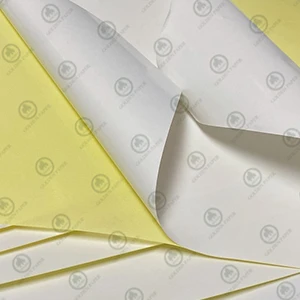
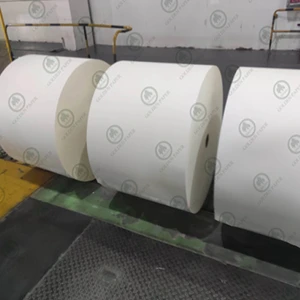

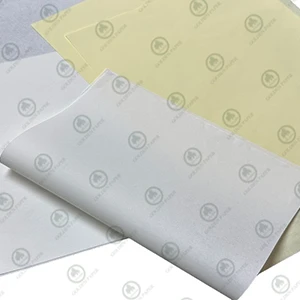

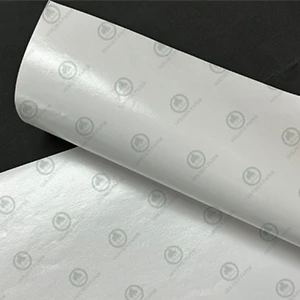
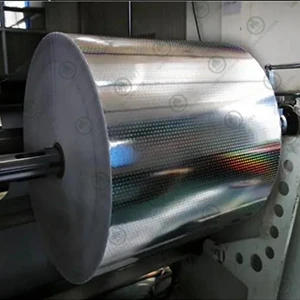
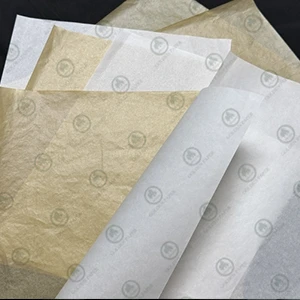

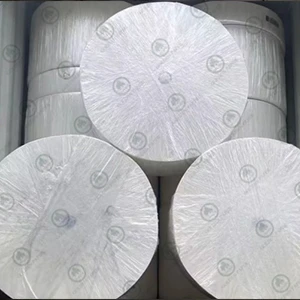

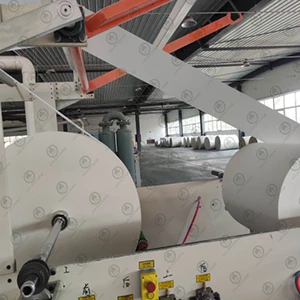
If you are looking for a packaging material that is both practical and visually appealing, metallized paper might be exactly what you need. It not only offers a metallic shine and premium look but also brings advantages in eco-friendliness, cost savings, barrier properties, printability, and flexibility. Compared with traditional foil-laminated paper or plastic films, why is metallized paper becoming more popular in the packaging industry? Let’s break down its key advantages.
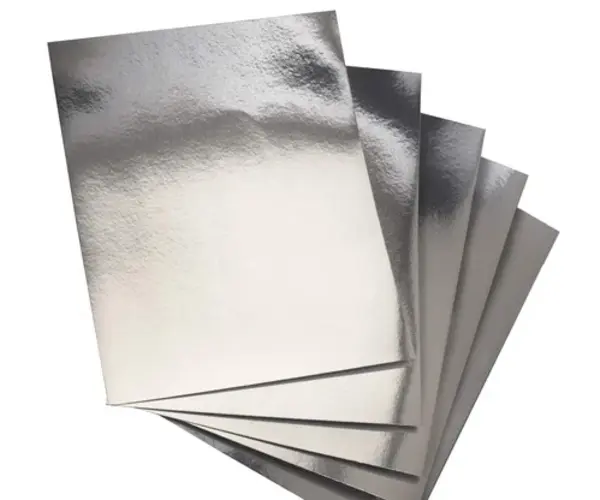
Compared with foil-laminated paper and plastic films, metallized paper offers a more balanced solution for modern sustainable packaging.
Traditional foil-laminated paper and plastic packaging often face recycling challenges because the layers of foil or plastic are difficult to separate. Metallized paper, however, uses a vacuum metallizing process where the aluminum layer is only 0.025–0.035μm thick, hundreds of times thinner than conventional aluminum foil.
This ultra-thin layer dissolves faster in recycling, degrades more easily, and is better absorbed by soil. That means you don’t need to worry about adding extra environmental burden. Choosing metallized paper aligns with the global trend of sustainable packaging, helps reduce pollution, meets strict environmental regulations, and appeals to consumers who care about eco-friendly products.
In addition, metallized paper can be pulped and processed in standard paper recycling systems without requiring specialized facilities. This makes it easier for recycling companies to handle compared with composite packaging like Tetra Pak or multilayer plastics. Some European countries have already included metallized paper in their recyclable packaging catalogs, which also helps brand owners achieve compliance with Extended Producer Responsibility (EPR) policies. For companies focusing on eco-friendly packaging materials, metallized paper provides an effective alternative without sacrificing performance or appearance.
If you care about packaging material costs, metallized paper has a clear advantage. Traditional aluminum foil laminated paper uses foil that is 6–7μm thick, with aluminum content around 17–19 g/㎡. Metallized paper, in contrast, uses only 0.07–0.09 g/㎡, which is about 1/250 of the amount. For high-volume packaging projects, this material efficiency translates into lower packaging material costs per unit.
Because aluminum usage is minimal, raw material consumption and overall costs are much lower. At the same time, its production requires fewer transfer steps and less solvent, which means lower energy use and higher production efficiency. The result: you get excellent performance while significantly cutting material and energy expenses.
Beyond saving on aluminum material itself, metallized paper reduces transportation costs due to its lighter weight compared with foil-laminated alternatives. Lighter packaging means lower shipping fees and reduced carbon emissions during logistics. For high-volume industries like FMCG, this can lead to substantial annual savings while also improving sustainability metrics for corporate reporting. This cost advantage is especially valuable for FMCG packaging and large-scale retail brands.
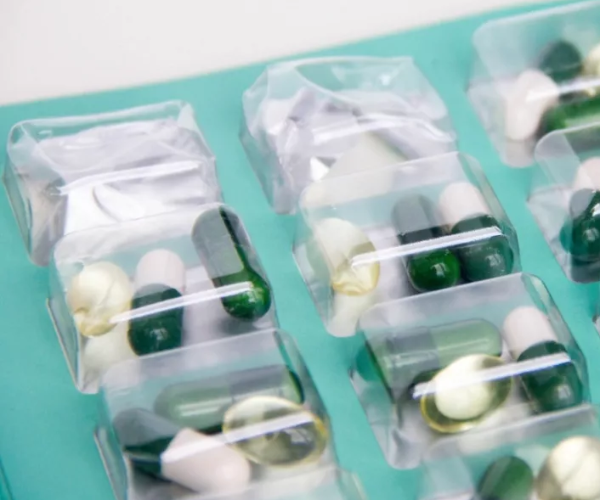
If you work in food, pharmaceuticals, or premium packaging, you know how important barrier performance is. Metallized paper’s uniform and dense aluminum layer leaves almost no gaps for oxygen or moisture to pass through.
Water vapor transmission rate: ≤0.3 g/㎡·day
Oxygen transmission rate: ≤0.1 cc/㎡·day
These numbers show why metallized paper can effectively block moisture, oxygen, and light. For example:
Coffee and chocolate stay dry and flavorful.
Medicine packaging delays oxidation and preserves efficacy.
Cosmetic and liquor packaging avoids quality degradation caused by light exposure.
With this barrier protection, your products enjoy a longer shelf life and better customer satisfaction.
These protective properties are especially critical in regions with high humidity or fluctuating temperatures, where conventional paper packaging tends to warp or lose integrity. Metallized paper maintains its strength and sealing ability even under challenging storage conditions, which ensures consistent product quality across long distribution chains.
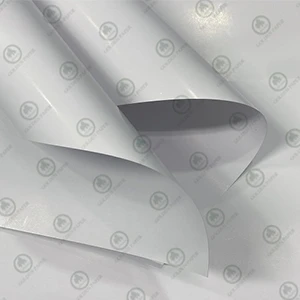
Metallized paper not only performs well but also looks stunning. Its surface has a reflectivity above 97%, creating a premium, luxurious effect. That’s why it’s widely used for wine boxes, perfume cartons, and gift packaging.
On top of that, the aluminum layer adheres strongly, so it works smoothly on high-speed printing machines. It supports offset printing, gravure printing, flexographic printing, hot stamping, and die-cutting. You can even use partial metallizing to create transparent windows or special designs.
This means metallized paper is not just functional—it’s also a tool to enhance brand visibility and shelf appeal.
Brands also take advantage of metallized paper’s ability to combine eye-catching visuals with functional security features. For example, holographic metallized finishes can deter counterfeiting and strengthen brand authenticity. This is why premium liquor labels and pharmaceutical companies increasingly adopt metallized paper for both aesthetic and safety purposes.
One common concern with packaging is flexibility. If a material is too brittle, it may crack or tear during folding, processing, or shipping. Metallized paper avoids this issue.
Even though the aluminum layer is thin, it is strongly bonded to the paper, keeping excellent flexibility and fold resistance. It rarely peels or cracks, even under repeated folding or lamination. That makes it reliable for high-speed production lines and long-distance shipping without the risk of packaging failures.
Tests have shown that metallized paper can endure multiple folding cycles without visible cracking, which makes it suitable for automated packaging lines that involve frequent bending and creasing. Its durability also reduces waste during production because fewer sheets are rejected due to surface damage.
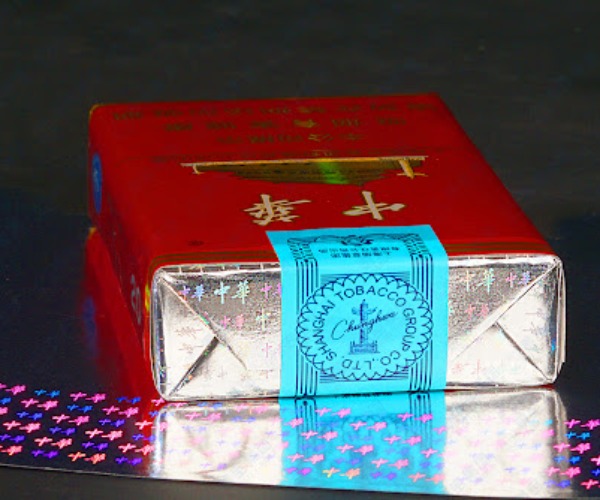
The real value of metallized paper lies in its versatility. Because it combines barrier properties, sustainability, and decorative effects, it is widely used across industries:
Food and beverage packaging: coffee, tea, candy, chocolate, and beer labels.
Pharmaceutical packaging: medicine boxes and inserts to keep ingredients stable.
Cosmetics and premium gift packaging: liquor, perfume, skincare, enhancing luxury feel and anti-counterfeiting.
Electronics packaging: moisture-proof and light-proof protection for gadgets.
Printing and labeling: trademarks, hot stamping, and custom brand designs.
Metallized paper is no longer just “wrapping paper”—it’s a multi-functional material that balances performance and design.
In recent years, metallized paper has also entered the e-commerce packaging sector. With the rise of online shopping, companies are looking for packaging that not only protects goods but also delivers a premium unboxing experience. Metallized paper strikes this balance perfectly, offering both functional protection and an attractive appearance that enhances customer satisfaction.
When you combine its eco-friendliness, cost-effectiveness, barrier protection, printability, flexibility, and wide applications, it’s clear why more businesses are switching to metallized paper. It helps you reduce production costs, enhance packaging quality, improve brand image, and meet global demand for sustainable materials. If you are searching for a green, cost-efficient, and premium packaging solution, metallized paper is the answer. Contact Golden Paper today for professional paper solutions tailored to your business needs.