EN
EN
 fr
fr  de
de  es
es  it
it  ru
ru  pt
pt  ar
ar  vi
vi  tr
tr  id
id .webp "Digital Transfer Paper/Sublimation Paper")


Phone:
0086 27 688745330086 18049845758
 GOLDEN PAPER




.webp "Digital Transfer Paper/Sublimation Paper")


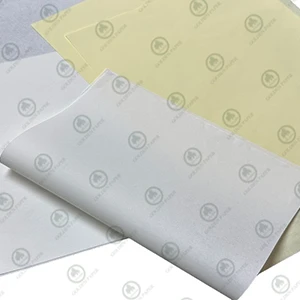

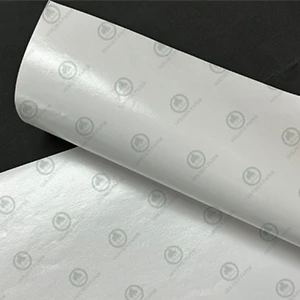

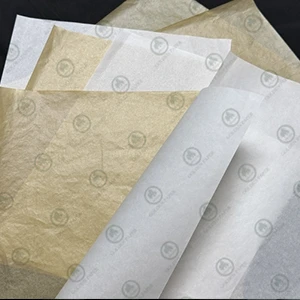



In international paper trading, packaging affects not only shipping safety but also the product quality your customers receive. The type of paper, transport conditions, and the destination market all influence the best packaging choice. Today, most paper exports use three formats: pallet packs, ream packs, and roll packaging. Choosing the right method protects the paper, reduces logistics costs, and improves customer satisfaction. If you want to understand all three options, keep reading.
These three packaging methods are widely used across the paper industry depending on product format, transportation conditions, and end-user requirements.
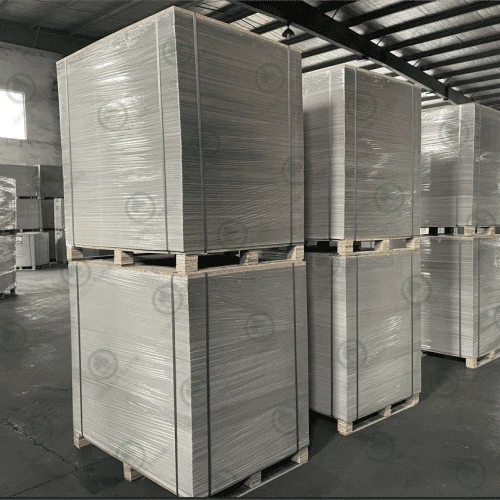
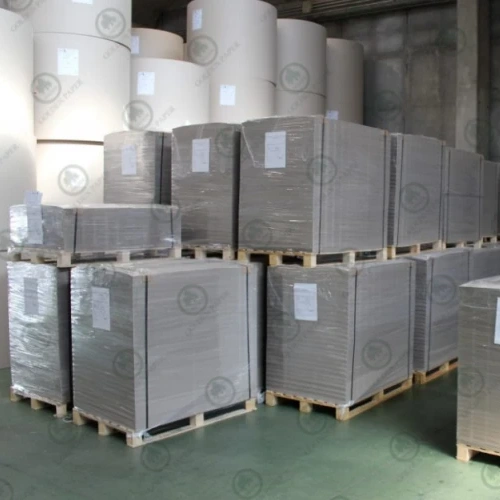
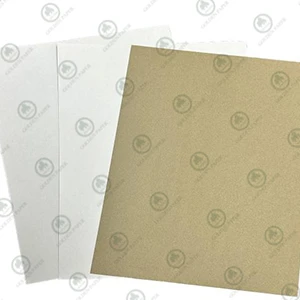
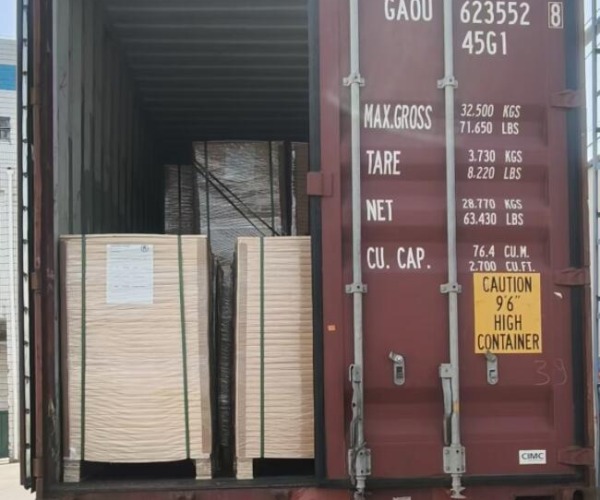
Pallet packing is the most common format for exporting sheet paper, especially for large-volume products like offset paper, coated paper, and ivory board. The sheets are stacked neatly on a wooden pallet about 10–12 cm high. They are not individually wrapped by ream. Instead, the entire stack is tightly wrapped in plastic film, covered with a wooden top board, and secured with plastic straps to form a stable unit. Each pallet usually weighs around 0.7 tons. Its solid structure makes it ideal for container loading and long-distance sea transportation.
This method is widely used in export palletized paper packaging for printing and packaging grades, ensuring high stacking stability and efficient container loading for long-distance shipping.
Pallet packing is widely used for cultural paper, printing paper, and copy paper. These papers have flat surfaces and standard sizes, so pallet packing helps prevent edge damage while increasing loading efficiency and handling convenience. For exporters and mills shipping large quantities, pallet packing is an economical and efficient solution.
It’s important to note that packaging rules vary by country or region. For example, the EU requires wooden pallets and boards to undergo fumigation or heat treatment to prevent pest contamination. Exporters should always check the regulations of the destination market to avoid delays or penalties during customs clearance.
Pallet packing is preferred by paper mills and distributors because it reduces handling time, minimizes damage risk, and improves logistics efficiency in bulk shipments.

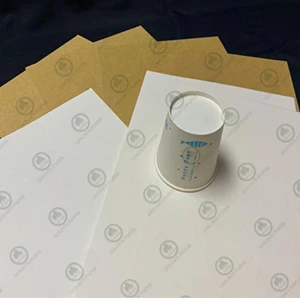
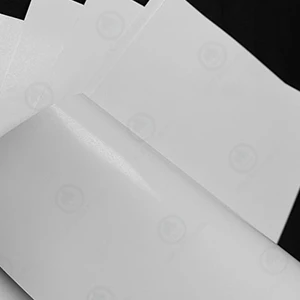
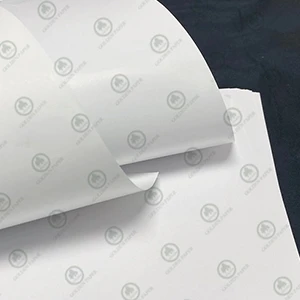
Ream packing uses individually sealed reams as its main feature. Each ream of 500 sheets is first wrapped in coated paper or a paper bag. Then 20 reams are combined into one pack, sealed with plastic film. This format is convenient for storage and distribution. Customers can open the reams one by one depending on their needs, which is especially helpful for buyers without loading equipment.
Copy paper, art paper, colored offset paper, and other cultural or printing papers commonly use ream packing. This method protects the paper’s whiteness and flatness while making it easy for retailers or end users to use directly. Ream packs are smaller than pallet packs, but their moisture resistance is strong, making them suitable for humid regions or longer warehouse periods.
When designing ream packing, it’s best to keep it simple and eco-friendly. Avoid unnecessary composite materials that are difficult to recycle, as they may increase shipping costs or compliance risks. For special-purpose or high-value paper, communicate with customers in advance to confirm their packaging requirements and ensure the final packing meets their expectations.
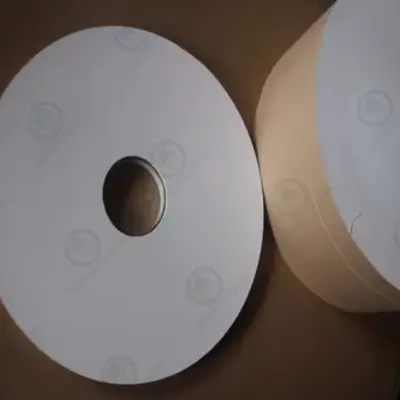
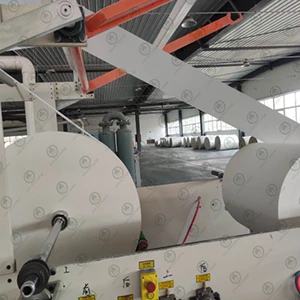
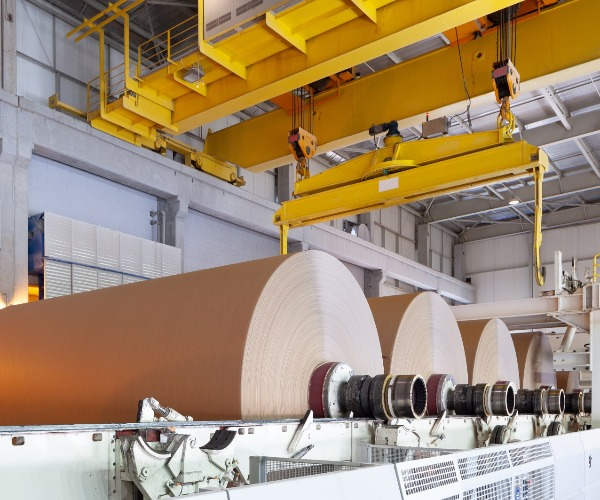
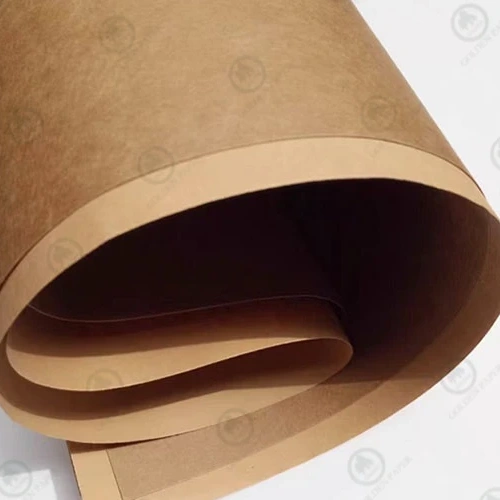
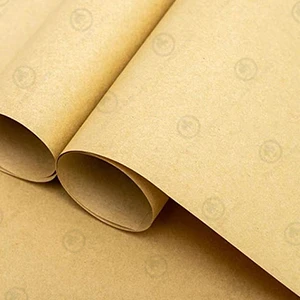
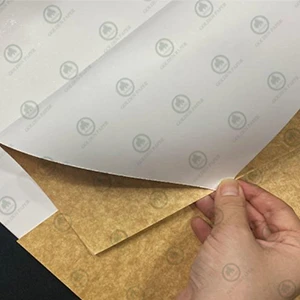
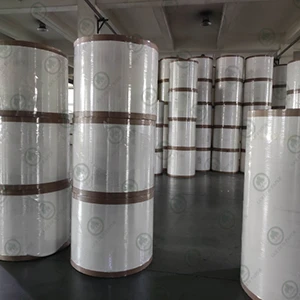
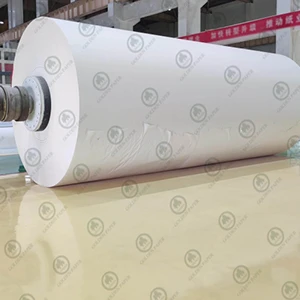
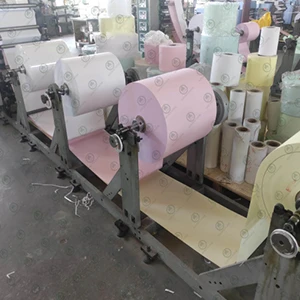
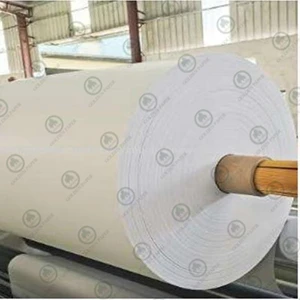
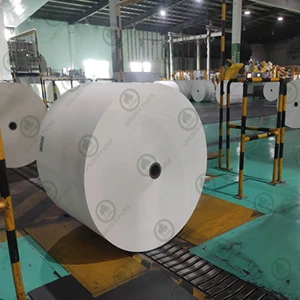
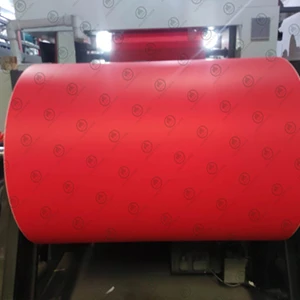
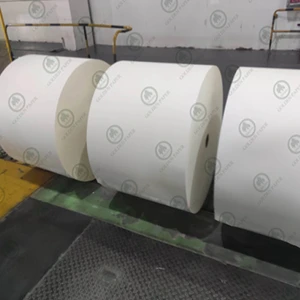
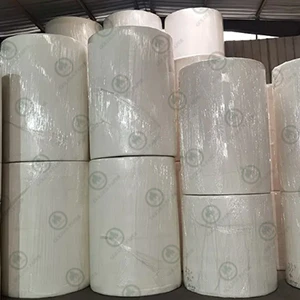
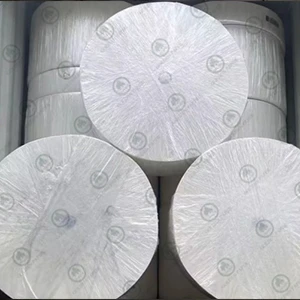
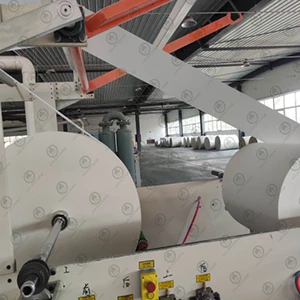
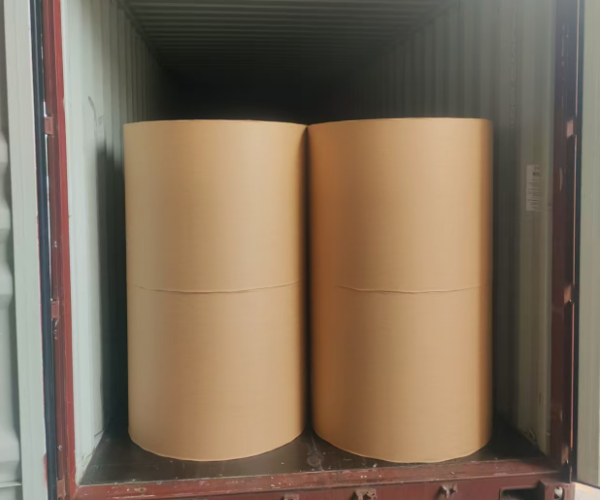
Roll packaging is mainly used for industrial paper and large-format packaging paper such as newsprint, CKB (coated kraft back), and corrugated base paper. The paper remains in its original roll form from the paper machine, allowing customers to use it directly on production lines and improving efficiency.
Roll packaging typically uses a multi-layer structure: an inner PE moisture-proof film, a middle layer of kraft paper (no less than 80 g/m²) or corrugated paper (no less than 120 g/m²) for puncture and compression resistance, and hard end discs of at least 700 g/m² on both sides for cushioning. The rolls are usually 100–110 cm in diameter, with each roll weighing about 0.5–0.6 tons.
Roll packaging is ideal for high-volume industrial workflows, especially printing and packaging companies. Rolls can go directly onto machines without cutting, reducing labor and secondary losses. Exporters should also keep in mind that different countries have different rules for packaging materials and recycling. Choosing recyclable and environmentally friendly materials helps meet global standards and reduces shipping risks and customer complaints.
Paper packaging for export is not a “one-size-fits-all” decision. It must be tailored to the paper type, transport conditions, market regulations, and customer requirements. Pallet packs are best for bulk flat-sheet shipping. Ream packs offer flexibility for distribution. Roll packaging supports industrial production that requires continuous feeding. Exporters should always consider compliance, sustainability, and customer experience—especially for specialty or high-value papers, where confirming packaging needs is essential. If customers require special packaging, the exporter should adjust accordingly.
Golden Paper has extensive experience in paper export packaging. Based on different paper types, grammages, and customer needs, we provide customized packaging solutions that meet international standards. From pallet packs to rolls, from moisture-proof designs to container loading, Golden Paper uses professional techniques to protect product quality and ensure every shipment arrives safely, remaining clean, flat, and ready to use. Contact us for samples and quotations—we’ll help you choose the best packaging method for your paper products.