EN
EN
 fr
fr  de
de  es
es  it
it  ru
ru  pt
pt  ar
ar  vi
vi  tr
tr  id
id 
Phone:
0086 27 688745330086 18049845758
 GOLDEN PAPER






.webp "Digital Transfer Paper/Sublimation Paper")





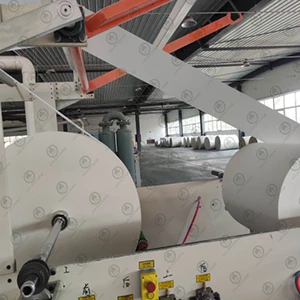
In retail transactions, commercial printing, and document management, the type of paper you choose can influence printing efficiency and record reliability. Carbonless paper and thermal paper are widely used for business records, yet their imaging technology and structure differ significantly. When you understand how each paper works and where it performs best, you can make better purchasing decisions for your printing system.
What Is Carbonless Paper
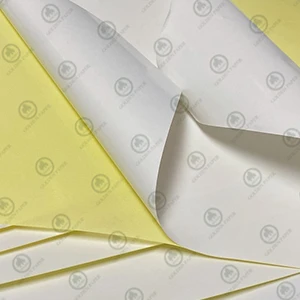
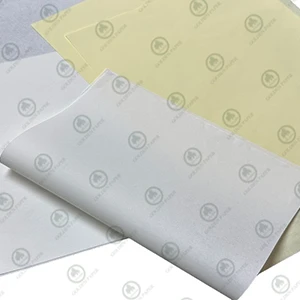
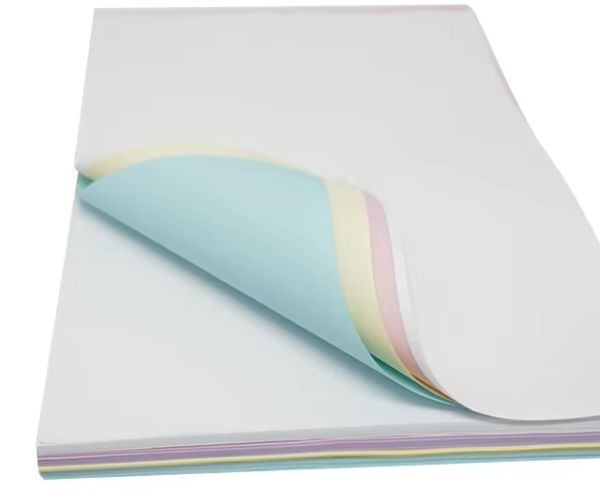
Carbonless paper, also known as NCR paper, is a specialty paper that creates duplicate records through pressure-activated chemistry. The paper normally contains several layers that work together during printing.
When pressure from a dot matrix printer is applied to the top sheet, microscopic capsules inside the coating break and release dye. This dye reacts with a developer layer on the sheet below. The reaction forms a visible image that transfers the information to the next sheet.
Because the copying process happens through pressure, the system does not require carbon sheets or ink ribbons. This design allows businesses to create multiple document copies in a single printing process.
In the printing industry, carbonless paper is widely used when several records must exist at the same time. Business invoices, logistics forms, medical prescriptions, and airline tickets often rely on this paper because each transaction needs more than one copy.
A well-produced carbonless paper sheet keeps the image clear while maintaining stable copy performance. The structure of the paper also helps protect the printed content during storage and transportation.
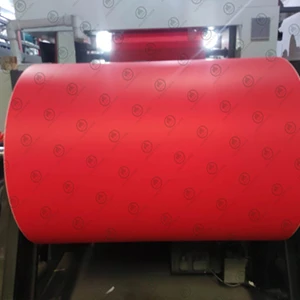
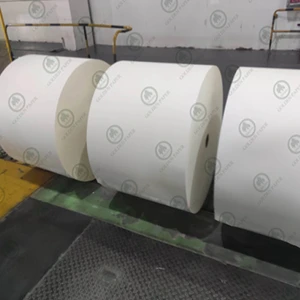
As a professional exporter of specialty paper, Golden Paper supplies Carbonless Paper / NCR Paper to customers around the world. The products support business form printing and continuous document systems. Customers can also request customized specifications based on grammage, color sequence, and ply requirements.
What Is Thermal Paper
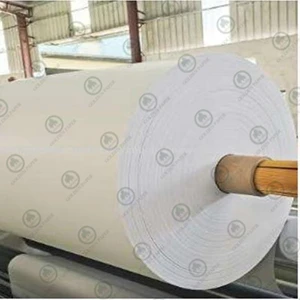
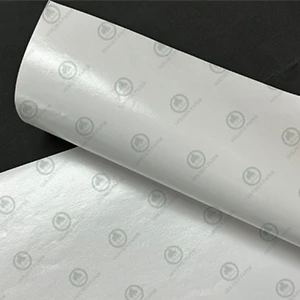
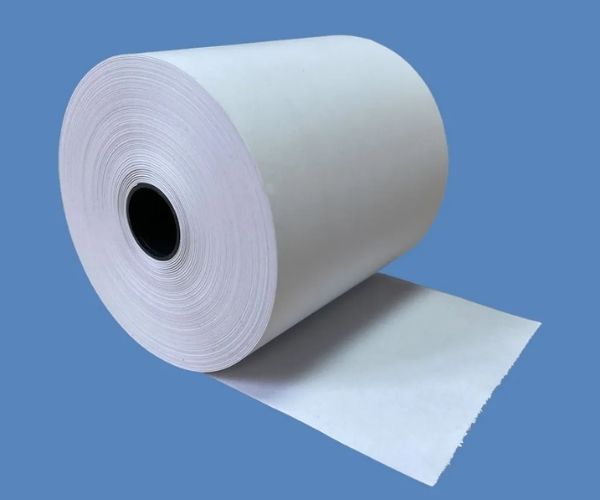
Thermal paper is a recording paper that contains a heat-sensitive chemical coating. The structure normally includes a base sheet together with a thermal layer that reacts when heat is applied.
A thermal printer creates images by heating the paper surface. The heat activates the chemical coating, which produces a dark image without ink or toner. Because the process relies on heat instead of pressure, the printer mechanism remains relatively simple.
This technology allows printing systems to operate quickly. It also reduces maintenance requirements. As a result, thermal printers appear frequently in retail environments and logistics operations.
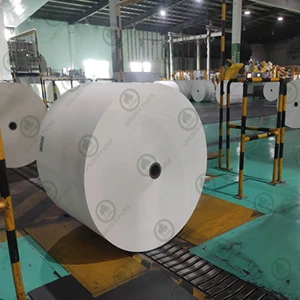
A good thermal paper roll produces clear images and maintains smooth feeding during high-speed printing. Before printing, the surface often shows a light green tone. When heat is applied, the paper turns dark as the chemical reaction forms the printed image.
However, thermal coatings respond to light and temperature over time. Because of this sensitivity, printed information may gradually fade during long storage periods. Many receipts therefore remain readable for months or a few years rather than for decades.
Thermal paper is commonly used for POS receipts, ATM slips, shipping labels, fax documents, and medical recording charts. As retail activity and e-commerce continue to grow worldwide, reliable thermal paper rolls remain essential consumables for many businesses.
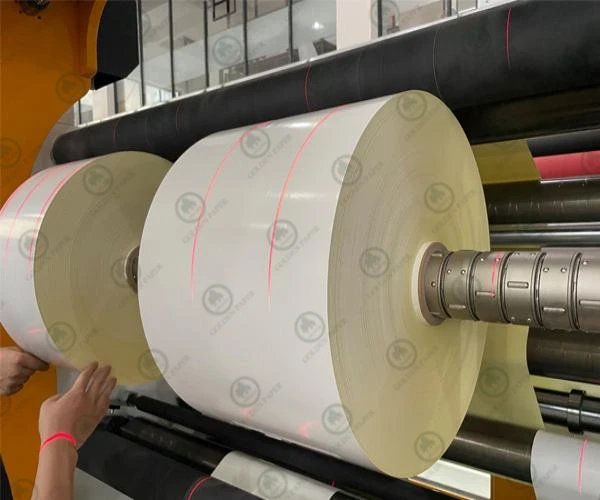
Golden Paper also provides thermal paper rolls designed for POS systems, supermarket checkout equipment, and label printers. Customers can order rolls in different widths and lengths according to equipment requirements.
Although both papers record information, their working mechanisms differ significantly.
Carbonless paper produces images through pressure. The reaction occurs between chemical layers that transfer information to another sheet. Because of this process, the system can generate several copies during a single print cycle.
Thermal paper forms images through heat applied by the print head. The reaction occurs on one sheet rather than between layers. For that reason, the printing system only produces a single copy.
When companies choose between these papers, the decision usually depends on business requirements.
If your workflow requires several copies of the same document while also preserving records for a longer period, carbonless paper often becomes the better option. Logistics documents, contracts, and commercial forms commonly use this system.
If your operations require fast printing for transactions that only need short-term storage, thermal paper often offers a more practical solution. Retail receipts and payment records usually rely on this technology.
For this reason, many printing companies and paper distributors purchase both types of paper so they can supply different customers.
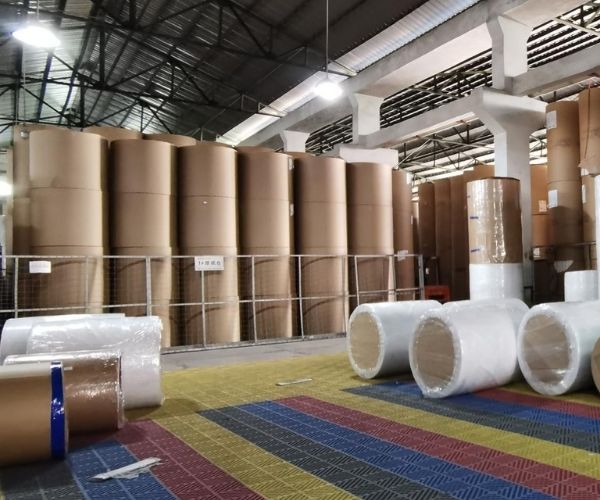
When printing companies or paper distributors evaluate suppliers, paper quality remains a primary concern. Stable image performance ensures that printed information stays readable. Consistent coating quality also helps printers operate without interruption.
Many buyers now prefer manufacturers that can produce customized specifications while maintaining stable export capability. A supplier with reliable production capacity can help reduce procurement risks and support long-term cooperation.
With extensive international trade experience, Golden Paper supplies specialty paper to printing companies, paper distributors, and packaging businesses worldwide. Strict quality control ensures that every shipment meets the standards required for commercial printing.
Carbonless paper and thermal paper both serve record-keeping purposes, yet they function through completely different technologies. The right choice depends on how your printing system operates and how long your records must remain readable. When you work with a reliable supplier such as Golden Paper, you gain stable paper quality together with dependable global supply support.