EN
EN
 fr
fr  de
de  es
es  it
it  ru
ru  pt
pt  ar
ar  vi
vi  tr
tr  id
id 

Phone:
0086 27 688745330086 18049845758
 GOLDEN PAPER




.webp "Digital Transfer Paper/Sublimation Paper")

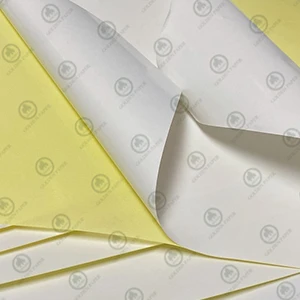
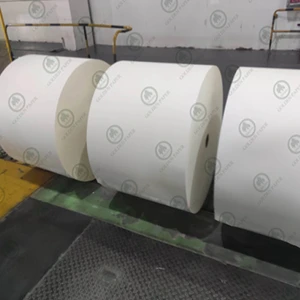

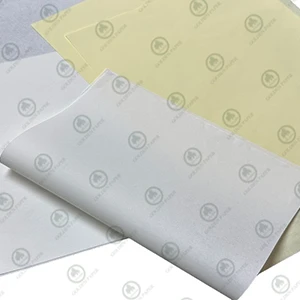


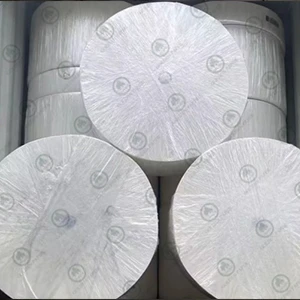

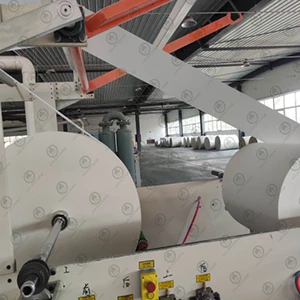
As global brands continue to face pressure from rising logistics costs and increasingly stringent sustainability regulations, lightweight packaging has become a key strategy for improving supply chain efficiency. What began in the metal packaging industry is now extending rapidly into paper-based packaging, creating new opportunities for international buyers seeking both cost savings and environmental compliance.
Recent developments in metal packaging illustrate the direction of the market. Industry data shows that the thickness of tinplate used in food and beverage cans has continued to decline, with some applications now using material below 0.14 mm. As a result, the amount of material consumed per can has been reduced by approximately 9.4%, helping manufacturers lower production costs while reducing resource consumption. Studies also indicate that modern tinplate packaging commonly operates within a thickness range of 0.13 mm to 0.30 mm, reflecting a broader industry trend toward material optimization and lightweight design.
The same logic is increasingly influencing the paper packaging sector.
For buyers of folding cartons, takeaway packaging, food containers, and consumer goods packaging, transportation expenses often account for a significant share of total supply chain costs. Every reduction in packaging weight can lower freight expenses, improve container loading efficiency, and reduce carbon emissions associated with transportation.
As a result, more packaging converters and brand owners are evaluating paper grades not only on price but also on performance-to-weight ratio. Instead of simply increasing grammage to achieve strength, buyers are looking for materials that deliver higher stiffness, better bulk, and stronger structural performance while using less fiber.
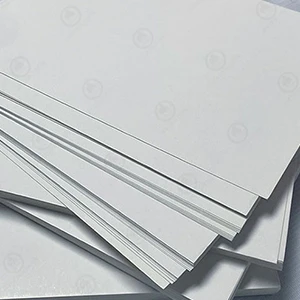
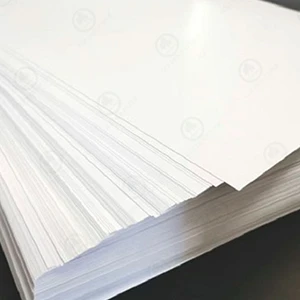
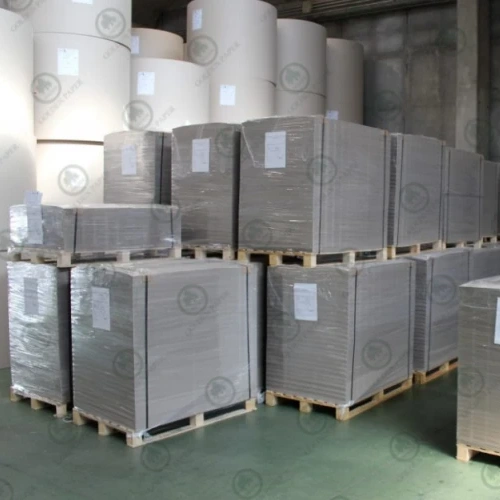
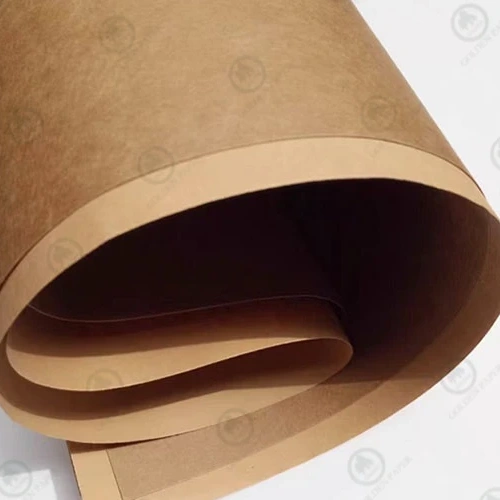
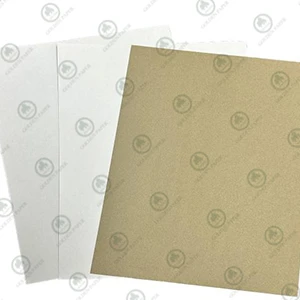
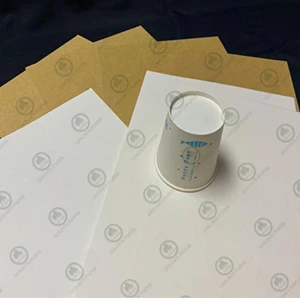
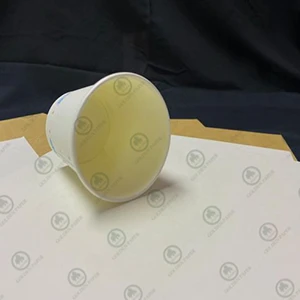
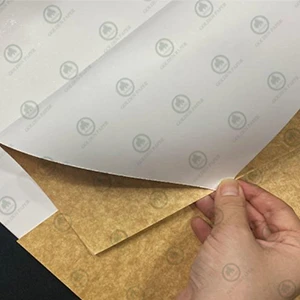
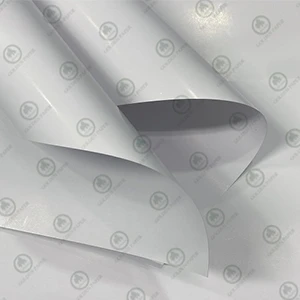
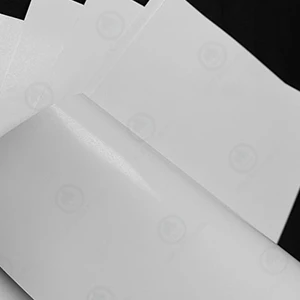
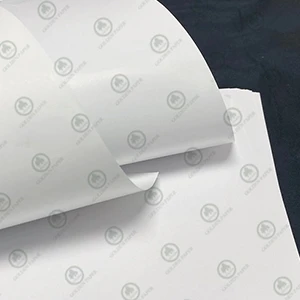
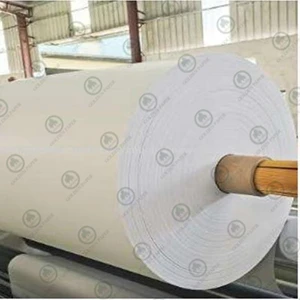
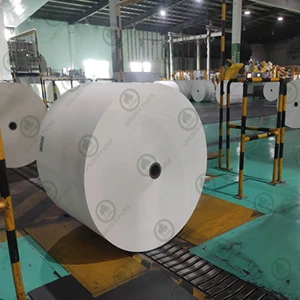
This trend has accelerated demand for advanced paperboard products such as Folding Box Board (FBB), Coated Kraft Back (CKB), and high-bulk packaging boards. These materials allow packaging manufacturers to maintain carton strength and printing quality while reducing overall package weight.
For example, high-bulk paperboard can achieve similar rigidity to conventional grades at a lower basis weight. This enables converters to reduce fiber consumption without compromising package performance. When applied across millions of packaging units annually, even small weight reductions can generate substantial savings in raw material purchasing, warehousing, and international freight.
Lightweight paper packaging also supports compliance with evolving environmental regulations. Governments and major retailers are placing greater emphasis on packaging reduction, recyclability, and carbon footprint management. Companies that adopt optimized packaging structures are often better positioned to meet sustainability targets while enhancing brand image among environmentally conscious consumers.
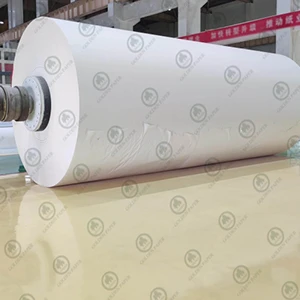
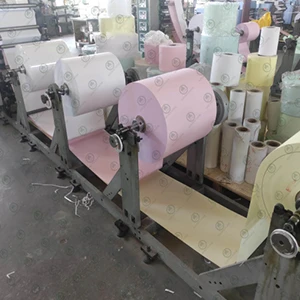
China's paper industry has become an important partner in this transition. With continuous investment in papermaking technology, coating systems, and fiber optimization, leading Chinese paper suppliers are able to offer lightweight packaging solutions that balance strength, printability, and cost efficiency.
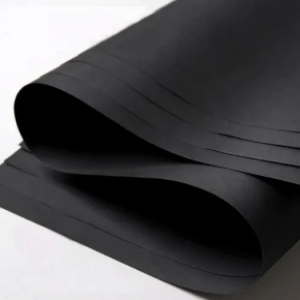
At Golden Paper, we have seen growing demand from customers in food packaging, e-commerce packaging, consumer goods, and retail sectors who are seeking lighter packaging materials without sacrificing performance. By providing products such as FBB, CKB, Ivory Board, and other packaging paper grades, we help buyers optimize packaging structures, reduce logistics costs, and improve overall supply chain efficiency.
As lightweighting continues to reshape the global packaging industry, paper-based solutions are expected to play an increasingly important role. For international buyers, selecting the right packaging paper is no longer simply a purchasing decision—it is becoming a strategic investment in cost control, sustainability, and long-term competitiveness.