EN
EN
 fr
fr  de
de  es
es  it
it  ru
ru  pt
pt  ar
ar  vi
vi  tr
tr  id
id 

Phone:
0086 27 688745330086 18049845758
 GOLDEN PAPER




.webp "Digital Transfer Paper/Sublimation Paper")
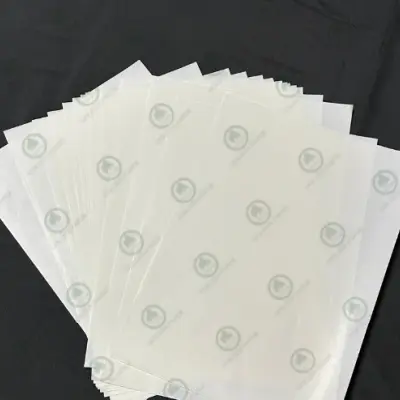
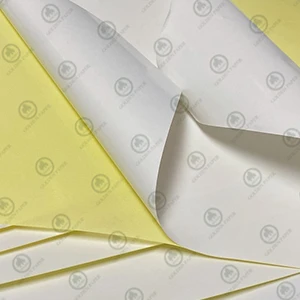
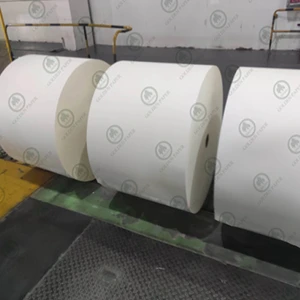

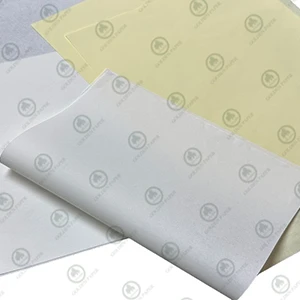


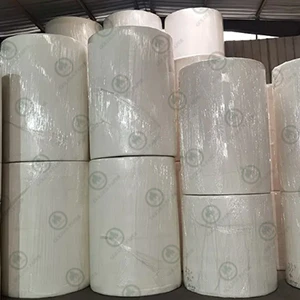
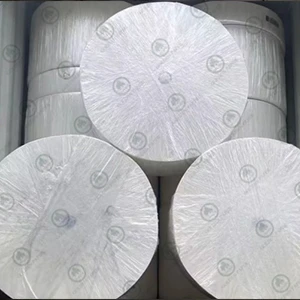

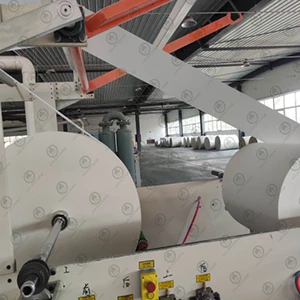
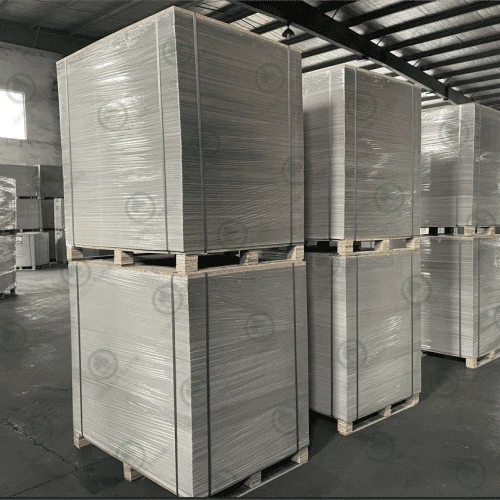
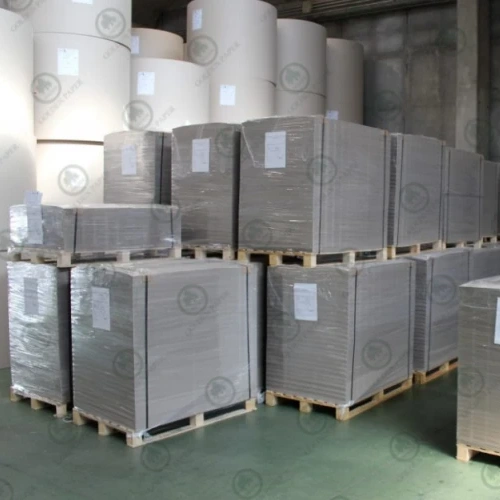
China’s paper and packaging industry is undergoing a structural adjustment as changes in recovered paper supply and rising packaging requirements reshape the market. Against this backdrop, Ivory Board is gaining greater attention in packaging applications that require higher whiteness, stiffness, printability, and product consistency. The shift from Duplex Board to Ivory Board is becoming an increasingly visible trend in parts of the packaging paperboard market.
Since January 1, 2021, China has prohibited the import of solid waste, including recovered paper. This significantly changed the country’s recovered paper supply structure. Domestic recovered paper now plays a more important role in the recycling system, while repeated recycling can gradually affect fiber length and strength. As a result, paper grades that rely heavily on recovered paper may face greater challenges in raw material quality, production costs, and product consistency.
At the same time, the corrugated packaging industry continues to consume large volumes of recovered paper. As demand for recovered paper remains high, its availability and cost have become important considerations for manufacturers of paper and paperboard products. Duplex Board, which commonly uses a high proportion of recovered paper, is therefore also affected by changes in the raw material market.
These developments are taking place alongside changes in downstream packaging demand. Food, pharmaceutical, personal care, and consumer goods companies are placing greater emphasis on packaging appearance, print quality, material safety, and consistency. Export packaging can involve additional requirements related to food-contact safety, printing performance, and regulatory compliance. These changes are encouraging packaging manufacturers and converters to pay greater attention to the performance of the paperboard they use.
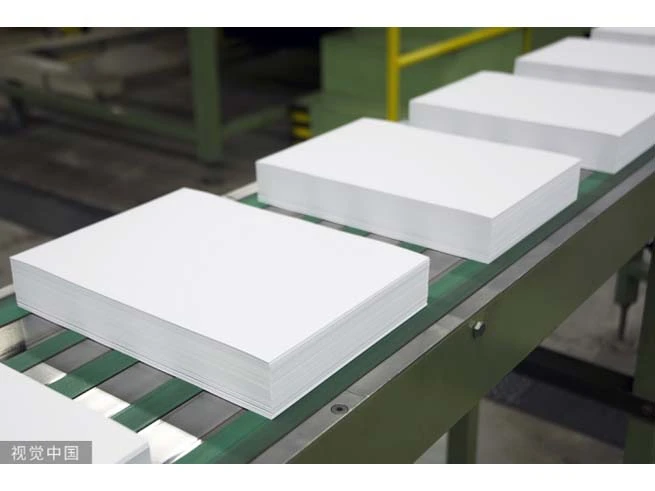
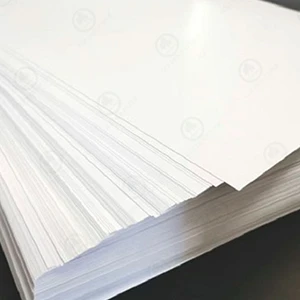
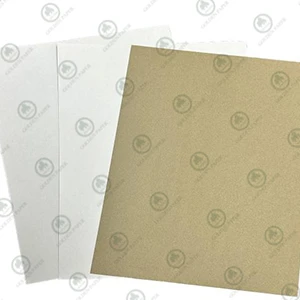
Ivory Board has become one of the paperboard grades attracting attention in this market. It is generally produced using virgin pulp, providing consistent fiber characteristics and supporting stable performance in areas such as whiteness, surface smoothness, stiffness, and printability. These properties make Ivory Board suitable for a wide range of folding cartons and other packaging applications where appearance and printing quality are important.
For packaging manufacturers, the choice between Duplex Board and Ivory Board depends on the specific application. Duplex Board can remain suitable for packaging where cost is a major consideration and the required appearance or printing performance is relatively moderate. Ivory Board, meanwhile, can offer advantages in applications where higher whiteness, print quality, stiffness, and material consistency are priorities.
As a result, the industry trend is better understood as a structural shift rather than a complete replacement of one paper grade by another. As packaging requirements continue to evolve, some applications that have traditionally used Duplex Board may increasingly move toward Ivory Board, particularly in food packaging, consumer goods packaging, pharmaceutical cartons, and export-oriented applications.
For paper buyers, printers, and packaging converters, this shift also means that paperboard selection is becoming more closely connected with the requirements of the final application. Factors such as raw material composition, whiteness, stiffness, surface properties, printability, food-contact requirements, and target-market regulations all need to be considered alongside purchase price.
The changing availability of recovered paper and the continued upgrading of packaging requirements are likely to remain important factors shaping the paperboard market. As manufacturers and converters look for more consistent paperboard performance, Ivory Board will continue to have a role in packaging applications where appearance, printing quality, and product stability are important.