EN
EN
 fr
fr  de
de  es
es  it
it  ru
ru  pt
pt  ar
ar  vi
vi  tr
tr  id
id 

Phone:
0086 27 688745330086 18049845758
 GOLDEN PAPER


.webp "Digital Transfer Paper/Sublimation Paper")

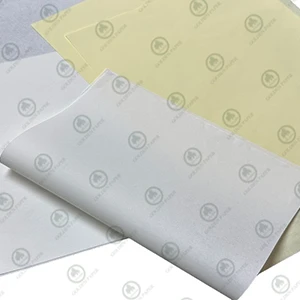

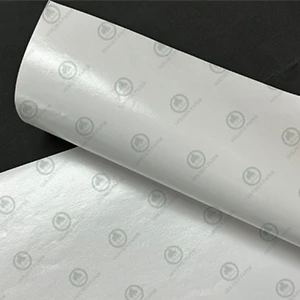
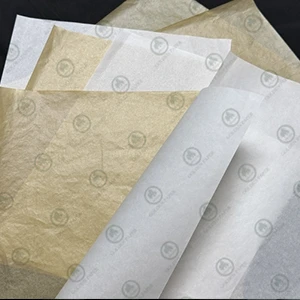
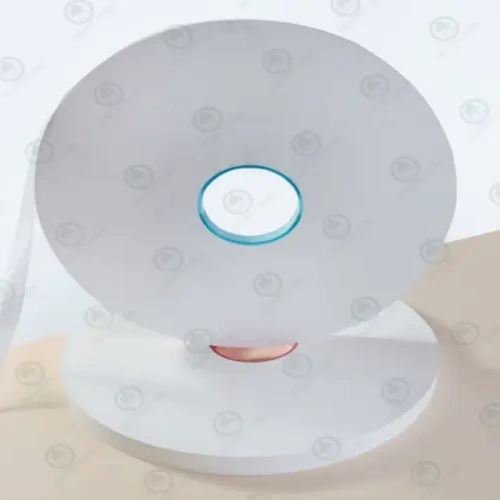
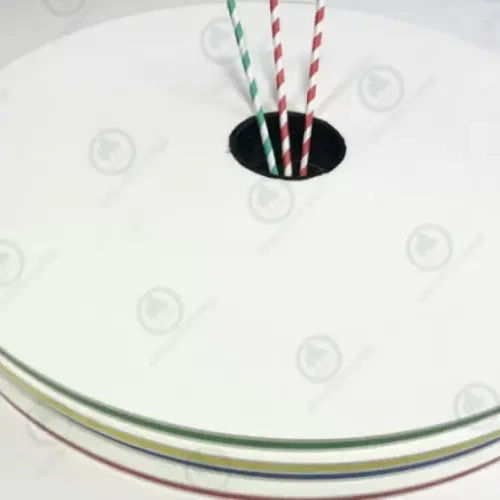

With the rise of digital technology and the advancement of carbonless paper alternatives, thermal paper has become a key part of many industries worldwide. From daily receipts and shipping labels to medical printouts and ATM tickets, thermal paper is everywhere. But what exactly is thermal paper? How does it work? What makes it different? In this guide, we’ll walk you through everything you need to know about this smart, heat-sensitive paper.
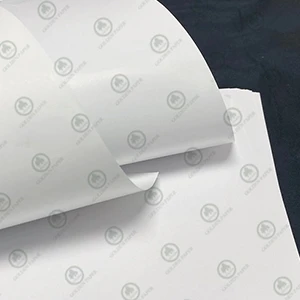
Thermal paper, also known as heat-sensitive paper, is a type of paper that displays text or images when exposed to heat—no ink or ribbon required. When used with a thermal printer, it produces images by applying heat to the coated surface of the paper.
First developed by NCR Corporation in the 1960s, this paper was based on modified carbonless dye technology. Since then, it has evolved into a cost-effective and efficient medium for printing.
Put simply, thermal paper is a functional paper that changes color when heated. Today, it's widely used in receipts, labels, medical printouts, and more—making it an essential consumable in many sectors. Since then, it has been widely adopted in commercial printing systems due to its efficiency, low operational cost, and compatibility with automated printing equipment.

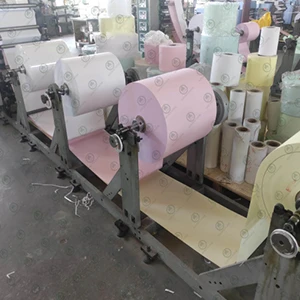
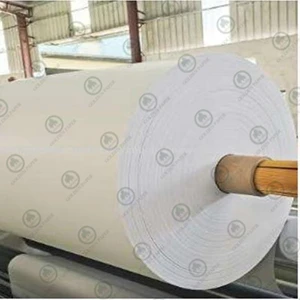
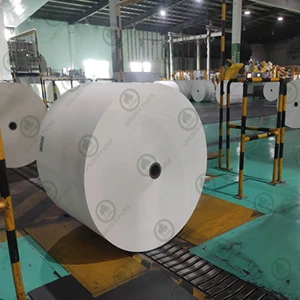
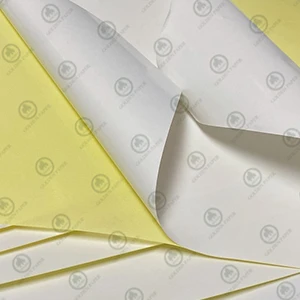
While it may look simple, thermal paper is a layered material engineered for high performance. Most types include three or four functional layers:
Base Paper Layer: This is the foundational paper made with high-density and smooth finish, providing strength and stiffness.
Precoat Layer: Enhances bonding between layers and acts as an insulation layer to control heat transfer.
Thermal Coating (Active Layer): The heart of thermal paper. It contains leuco dyes, developers (such as BPA or BPS), and additives that react under heat to produce images.
Top Coat (optional): Added for protection against water, oil, and abrasion, common in 3-ply thermal paper or BPA-free thermal labels.
Some products also include a back coating to prevent curling and improve feeding performance in printers. The quality of thermal paper is closely related to coating uniformity, thermal sensitivity (mJ/m²), and storage stability, which directly affect image durability and print clarity over time.
The magic lies in heat-induced chemical reactions. When the thermal printer heats up, the thermal coating activates:
Heat causes the dye and developer to melt and mix.
A chemical reaction creates visible color, usually black.
The image develops instantly as the paper cools.
The quality of thermal printing depends on how evenly the thermal layer is coated, the sensitivity of the dye, and precise temperature control.
Most commonly used color-developing systems include ODB-2 leuco dyes and BPA/BPS developers, which create high-contrast text and barcodes. This reaction is irreversible, meaning the printed image is formed permanently without requiring ink fixation or drying time, which significantly improves printing efficiency in real-time applications.

Why is thermal paper used so widely? Here are the key advantages:
Thermal printers don't need ink or toner—just the paper. That means lower printing costs, especially for businesses with high-volume needs like retail stores, logistics centers, or restaurants.
Thermal paper enables speeds of up to 200mm per second or more, ideal for POS systems, self-service kiosks, and other fast-paced environments.
With fewer moving parts and no ink cartridges, thermal printers are compact and easy to maintain—perfect for chain stores, warehouses, and delivery hubs.
Produces high-contrast black images, ensuring barcode readability and accurate scanning—critical in inventory tracking, retail checkout, and logistics.
Thermal technology allows for small, portable printers, widely used in handheld POS machines, mobile receipt printers, and medical devices.
Thermal paper is widely used across industries:
Retail Receipts: POS systems in grocery stores, restaurants, and convenience shops.
Logistics Labels: Shipping labels, barcodes, and tracking slips in courier and warehouse operations.
Medical Printouts: ECG/EKG, EEG, and other diagnostic reports requiring high precision and clarity.
ATM & Ticket Machines: Used in automated terminals like bank ATMs, parking receipts, and ticket dispensers.
Kitchen Order Slips: Used in restaurant kitchens to streamline food prep and minimize errors.
Fax Machines: Though mostly replaced today, early fax systems used thermal paper rolls.
Thermal paper is a versatile, cost-efficient, and high-performance solution for printing needs across retail, logistics, healthcare, and more. Its “no-ink” printing mechanism, low maintenance, and quick output make it an ideal choice for modern businesses. At Golden Paper, we offer a full range of eco-friendly thermal paper product. Contact us today to request samples or learn more about thermal printing solutions.