EN
EN
 fr
fr  de
de  es
es  it
it  ru
ru  pt
pt  ar
ar  vi
vi  tr
tr  id
id 

Phone:
0086 27 688745330086 18049845758
 GOLDEN PAPER

.webp "Digital Transfer Paper/Sublimation Paper")
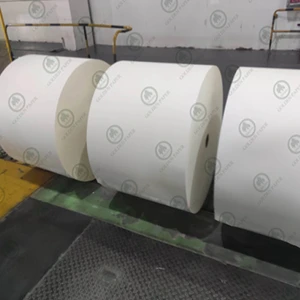

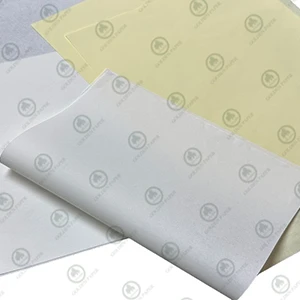

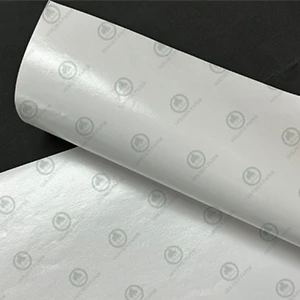
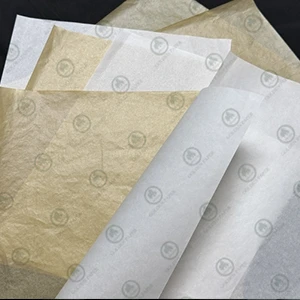

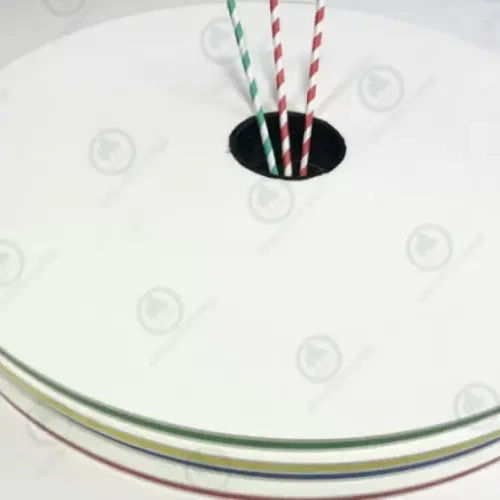
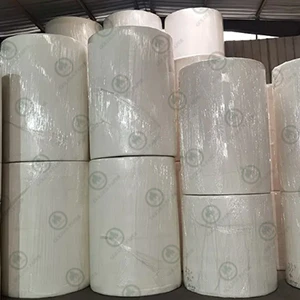
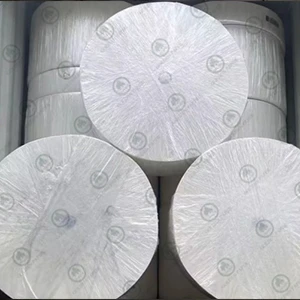

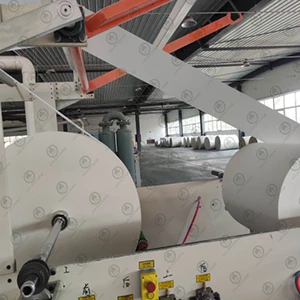
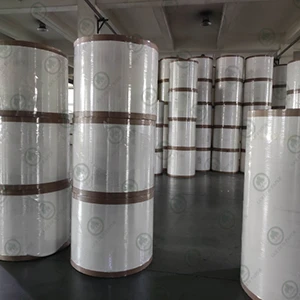
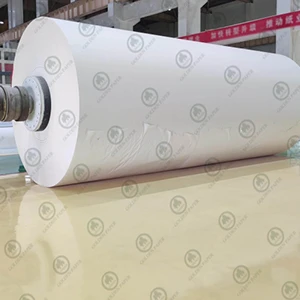
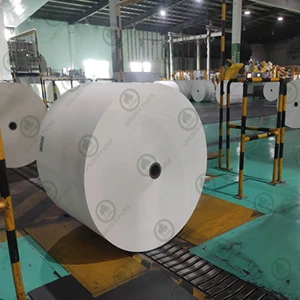
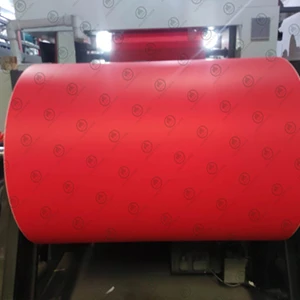
With global bans on plastic accelerating, more and more packaging suppliers are shifting toward paper-based alternatives. Straw wrapping paper for food packaging is one such solution. Thanks to its clean, non-toxic, odorless, and biodegradable properties, this eco-friendly straw wrapper paper has become widely used in the food service industry. In this article, we’ll explain what straw wrapping paper is and highlight the key factors to consider when producing food-grade paper for straws and chopstick wrappers.
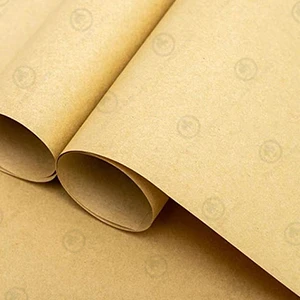
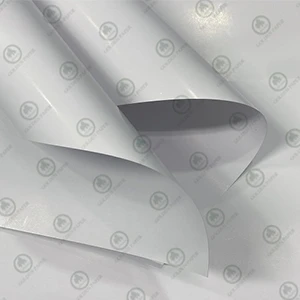
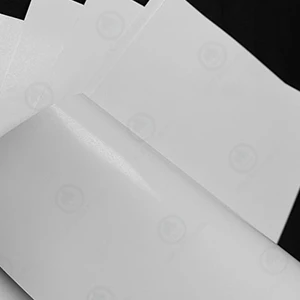
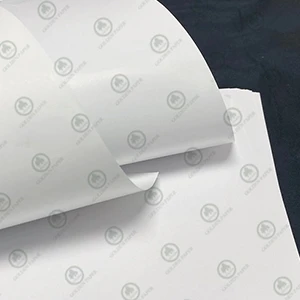
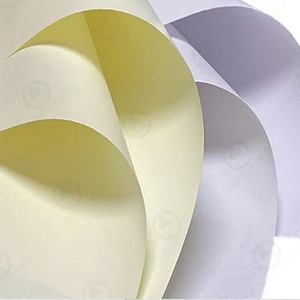
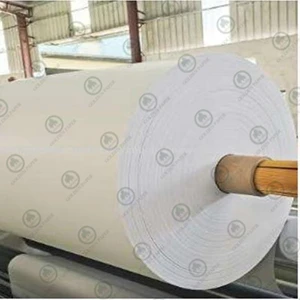
Straw wrapping paper is a high-grade specialty paper primarily used to wrap drinking straws. Straw wrapping paper is usually supplied in lightweight grades, commonly around 25gsm to 40gsm, depending on wrapping machine requirements, straw size, and packaging design. The paper must balance low weight with sufficient tensile strength to prevent tearing during automatic wrapping. Beyond that, it also serves as wrapping paper for chopsticks and toothpicks.
This type of biodegradable food wrapping paper not only keeps items hygienic and easy to transport, but also supports brand messaging through custom-printed eco packaging solutions.

When producing straw wrapping paper, we focus on two critical areas:
Physical Requirements
The paper must run smoothly on automated wrapping machines. That means no impurities, holes, or wrinkles are allowed, as these would disrupt processing. Additionally, we require high longitudinal tensile strength, good elongation performance, sufficient whiteness, opacity, surface cleanliness, and no odors. For buyers, these properties directly affect production efficiency. Low-quality paper may cause breakage, machine downtime, or inconsistent packaging appearance during automatic wrapping.
Chemical Requirements
Since the paper comes into contact with food, it must be completely safe. That means no fluorescent whitening agents and absolutely no heavy metals like lead or arsenic are permitted. Food-grade straw wrapping paper should comply with applicable food contact regulations in the target market. Buyers should request technical documents and compliance information from suppliers before mass production.
Pulp Selection
We use a blend of high-quality softwood and hardwood pulp (specifically eucalyptus and birch pulp) to meet technical standards. Softwood pulp provides longer fibers and higher tensile strength, while hardwood pulp improves formation, smoothness, and surface appearance. The combination helps achieve the balance required for lightweight but durable straw wrapper paper. These fibers are long, flexible, and have thin cell walls, which helps build strong internal bonding—critical for tensile strength.
Chemical Additives
To meet the technical standards of straw paper for food packaging, we use a blend of softwood and hardwood pulp (eucalyptus and birch). These fiber types offer excellent flexibility and form a strong base for high-strength paper wrapping materials.
To enhance performance, we include essential chemical additives. For instance, CMC is used to strengthen the dry tensile properties, while polyacrylamide improves filler retention and water drainage—critical for making high-quality straw paper for automatic packing machines.
Defoamers are added to eliminate bubbles. The ideal defoamer dissolves easily in water, resists chemical breakdown, and is added far from the foam source to ensure even dispersion.
Preservatives, like glutaraldehyde blends, are added to kill bacteria and prevent sediment buildup.
Fillers are added to improve whiteness and opacity, while also reducing pulp consumption.
To ensure fiber bonding and elongation strength, the pulp is carefully refined for wet weight and beating degree.
Softwood and hardwood pulps are treated differently:
Softwood pulp is refined to strengthen bonding.
Hardwood pulp, on the other hand, is mainly disintegrated rather than beaten.

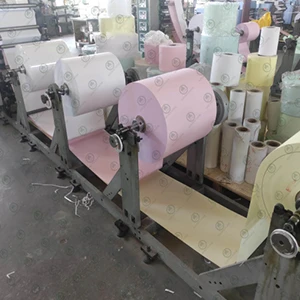
During the papermaking process, we maintain strict quality control to ensure the straw wrapper paper meets hygiene and performance standards. Pressure screens are used to remove impurities, supporting the production of uniform and clean white paper for straws.
The process of producing eco-friendly paper for straw packaging involves three stages:
Pulping: controlling beating degree and moisture level to suit different pulp types.
Papermaking & Slitting:CPAM is added before the headbox to enhance paper tightness and consistency.
Quality Testing: every batch is tested for basis weight, tensile strength, elongation, opacity, and cleanliness, ensuring the final food-grade straw wrapping paper meets strict packaging requirements.
Now that you have a clearer understanding of straw wrapping paper and how it’s made, you can make informed decisions for your packaging business. If you're sourcing custom straw wrapping paper for food applications, Golden Paper is ready to help. With 20+ years of papermaking experience, we offer a full range of specialty packaging papers, including eco straw wrappers, chopstick sleeves, and label base papers. Contact us today to request samples and tailor-made solutions.