EN
EN
 fr
fr  de
de  es
es  it
it  ru
ru  pt
pt  ar
ar  vi
vi  tr
tr  id
id 

Phone:
0086 27 688745330086 18049845758
 GOLDEN PAPER
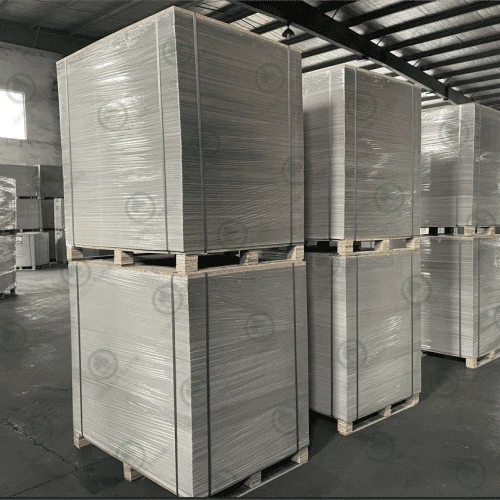
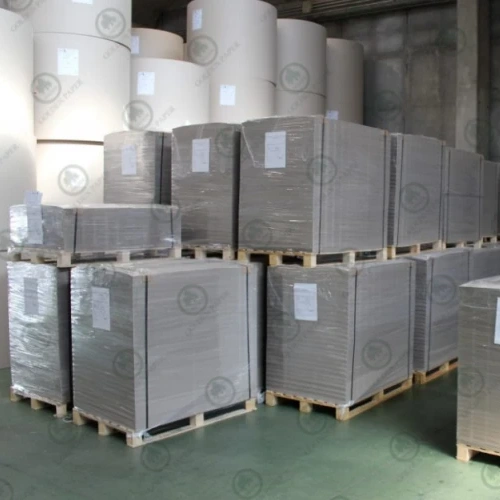
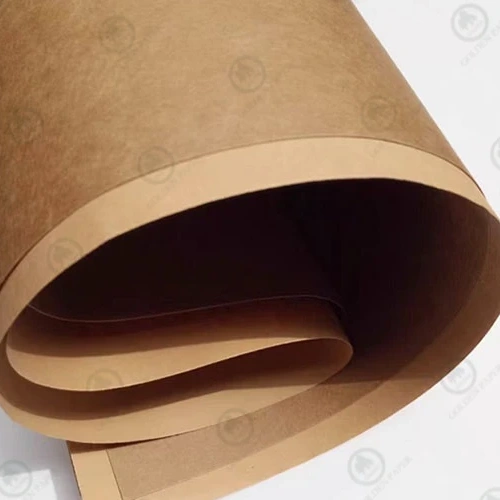

.webp "Digital Transfer Paper/Sublimation Paper")



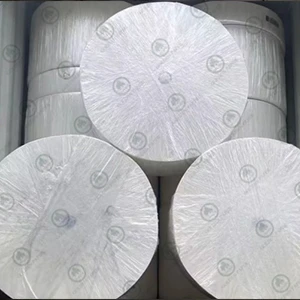

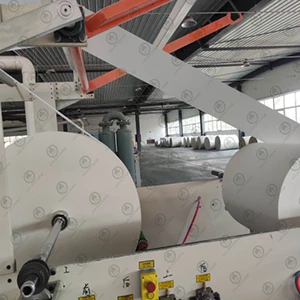
Corrugated board, also known as cardboard or paperboard, is a versatile packaging material that is widely used in various industries. It is also commonly referred to as corrugated fiberboard in industrial and logistics applications, and is one of the most widely used materials in modern packaging solutions. It consists of three layers - two flat outer layers and a wavy inner layer known as fluting. This combination of layers provides the material with its unique strength and durability.
One of the key reasons why the corrugated board is widely used is its versatility. This versatility makes corrugated board an essential material in e-commerce packaging, retail display packaging, and industrial shipping solutions. This material can be easily modified to suit the specific needs of different products and industries. From small, lightweight items to heavy machinery, corrugated boards can be customized to provide the necessary protection and support during transportation and storage. This flexibility allows businesses to design packaging that meets specific load-bearing requirements, product dimensions, and transportation conditions.
Corrugated boards are available in a range of thicknesses, allowing businesses to choose the appropriate strength for their packaging requirements. These thickness variations are often categorized by flute profiles and board combinations, which directly impact cushioning performance and stacking strength. It can also be easily cut and shaped, enabling the creation of custom-designed paperboard packaging solutions. This makes corrugated board ideal for custom packaging design, branded packaging boxes, and point-of-sale (POS) displays. Whether it's a simple cardboard box or a complex point-of-sale display, corrugated boards can be molded into various shapes and sizes to meet the specific branding and marketing goals of a business.
Corrugated board also comes in multiple flute types—such as A-flute, B-flute, C-flute, E-flute, and F-flute—each offering different levels of cushioning, printability, and stacking strength. Selecting the right flute type is critical for balancing protection, print quality, and cost efficiency in packaging design. For example, A-flute provides excellent shock absorption for fragile items, while E-flute is preferred for high-quality printing and retail packaging. This range of flute profiles allows manufacturers to fine-tune packaging performance for specific products.
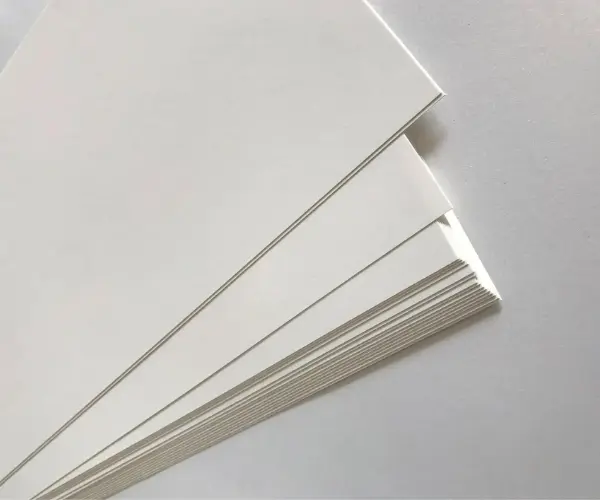
In recent years, there has been a growing emphasis on sustainable packaging materials. As global regulations and consumer awareness increase, businesses are shifting toward recyclable and biodegradable packaging alternatives. The corrugated paper stands out in this aspect as it is a highly sustainable option. Made primarily from recycled paper, corrugated fiberboard is a renewable resource that can be easily recycled again after use. This reduces the strain on natural resources and minimizes the environmental impact of packaging.
Furthermore, the corrugated board is lightweight, which helps reduce fuel consumption during transportation. Its recyclability and lightweight nature make corrugated boards a preferred choice for businesses looking to adopt eco-friendly packaging practices.
Many countries now require businesses to meet stricter environmental standards for packaging. Corrugated board fits perfectly into these policies because it supports closed-loop recycling. In a typical recycling system, used cartons can return to the mill within weeks and be turned into new corrugated sheets, significantly reducing landfill waste and lowering carbon emissions across the packaging lifecycle.
Corrugated board is known for its excellent strength and durability. The fluting layer adds rigidity and cushioning properties to the material, making it ideal for protecting fragile and delicate items. It acts as a shock absorber, minimizing the risk of damage during transit.
Corrugated board is also highly resistant to moisture, ensuring that the packaged products remain safe and intact even in humid or wet conditions. Additionally, this material is resistant to tearing and puncturing, providing an extra layer of protection against external forces.
To ensure performance, corrugated board is tested using industry standards such as the Burst Strength Test, Edge Crush Test (ECT), and Box Compression Test (BCT). These measurements help businesses select the right grade of corrugated material based on the product’s weight, stacking requirements, and transportation distance. This scientific approach to packaging design ensures stable performance even under high load or long-distance logistics.
Another advantage of using corrugated board is its cost-effectiveness. Compared to other packaging materials such as plastic, glass, or metal, corrugated board is relatively inexpensive. It is widely available and easy to paper board manufacturers, making it a cost-friendly option for businesses of all sizes.
Beyond the low material cost, corrugated board also reduces overall logistics expenses. Because it is lightweight and nestable, companies can lower shipping fees, improve container utilization, and minimize storage space. The ease of printing on corrugated surfaces—whether flexo, offset, or digital—also eliminates the need for additional labels or external wraps, further reducing production costs.
In conclusion, corrugated board is a versatile and sustainable packaging material that offers durability, protection, customization, and cost-effectiveness. Its unique construction and properties make it suitable for a wide range of industries and products.