EN
EN
 fr
fr  de
de  es
es  it
it  ru
ru  pt
pt  ar
ar  vi
vi  tr
tr  id
id 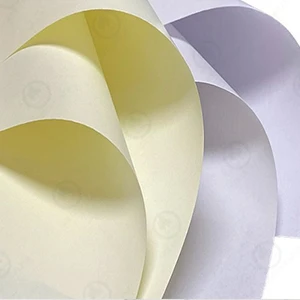

Phone:
0086 27 688745330086 18049845758
 GOLDEN PAPER

.webp "Digital Transfer Paper/Sublimation Paper")
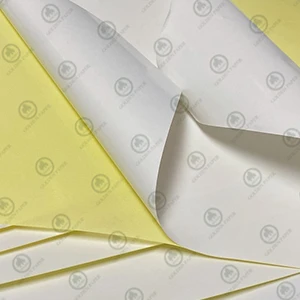
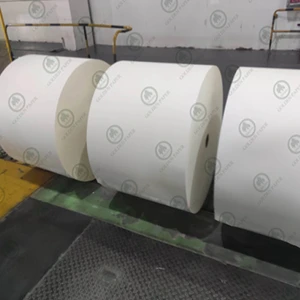

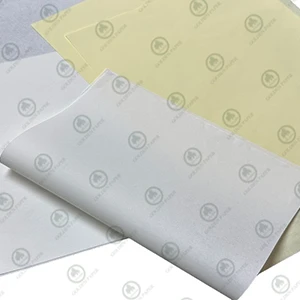

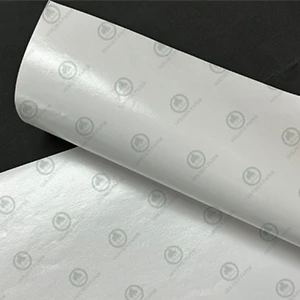

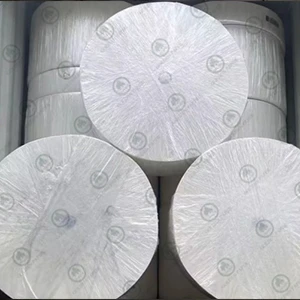

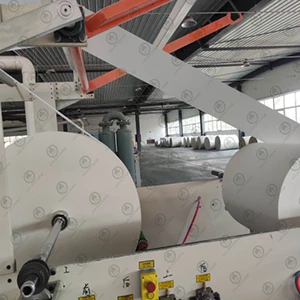
In the packaging and printing industry, material selection directly affects product strength, visual appearance, and overall cost control. Kraft paper and duplex board are two commonly used packaging materials, each serving different end-use applications. If you cannot clearly distinguish their performance differences during procurement, it may lead to over-specification or unsatisfactory printing results. Understanding their key differences helps you make more cost-effective decisions.
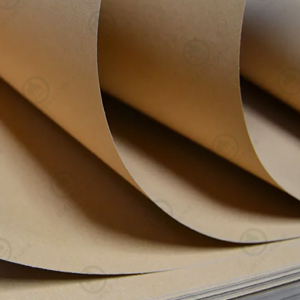
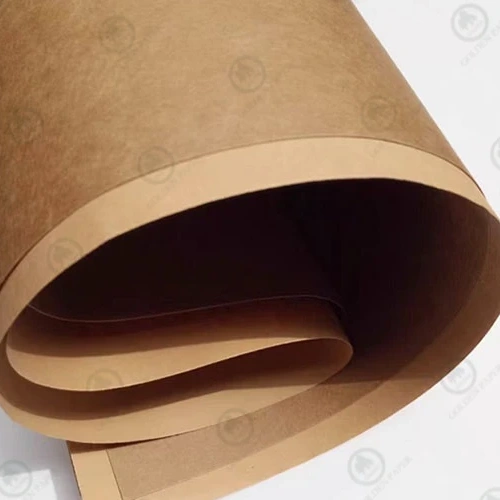
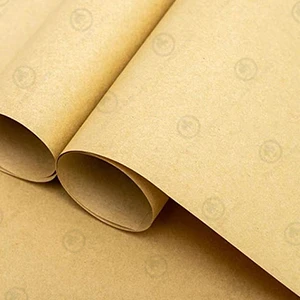
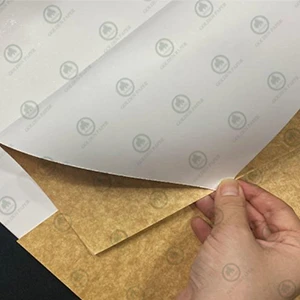
The core advantage of kraft paper comes from its fiber structure. It is typically made from softwood pulp produced by the kraft (sulfate) process. These long fibers provide high mechanical strength. In production, a certain proportion of recycled pulp may be added depending on the application, but virgin pulp remains the main component to ensure durability. It is usually unbleached or lightly bleached, maintaining a natural fiber color.
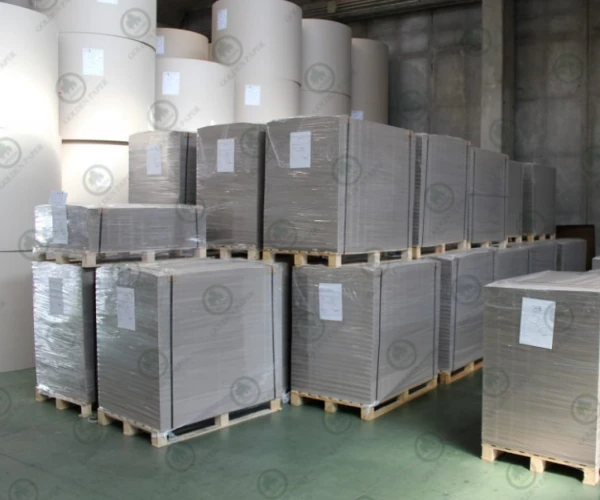
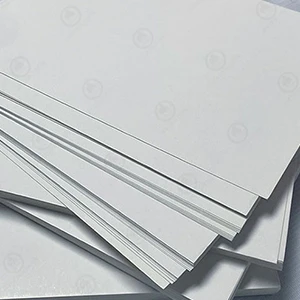
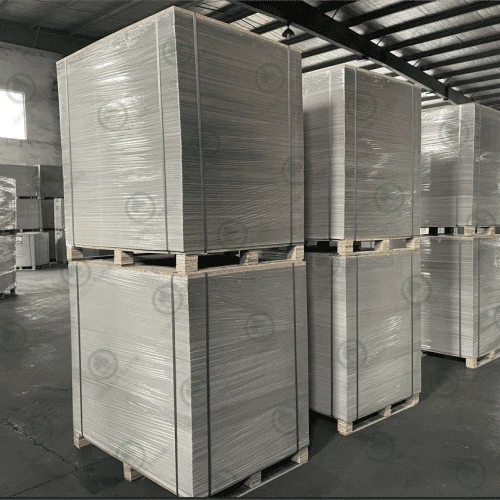
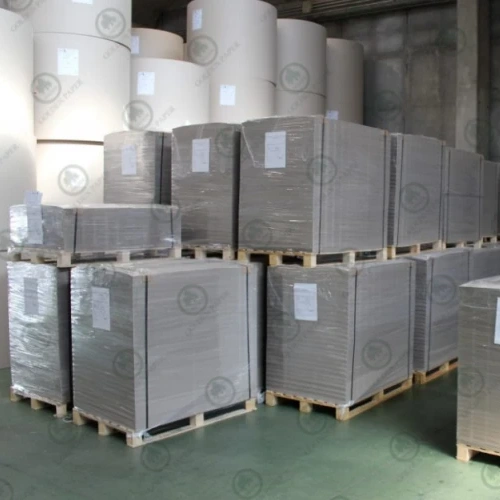
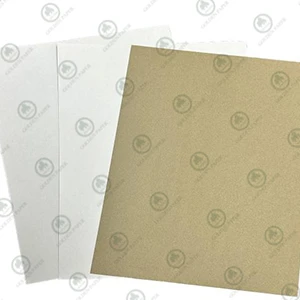
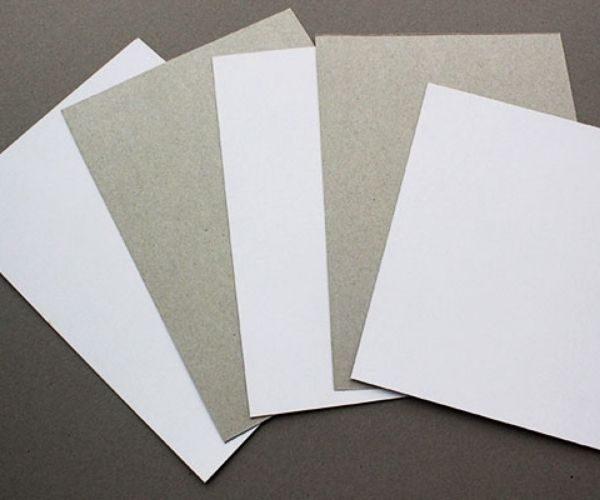
In contrast, duplex board focuses more on resource recycling. It is mainly made from recycled waste paper pulp and produced with a multi-layer structure. The middle layer is gray recycled fiber, while the top layer is coated with a white surface. This structure reduces cost and aligns with sustainability trends, making it widely used in mid- to low-end packaging markets.
Kraft paper has a natural and organic look. It is typically brown but can also be bleached to white. Surface finishes such as machine glazed (MG), double-sided smooth, or ribbed textures give it a slightly rough feel and visible fiber texture. This “natural texture” is often used in branding to convey eco-friendly, vintage, or premium handmade styles.
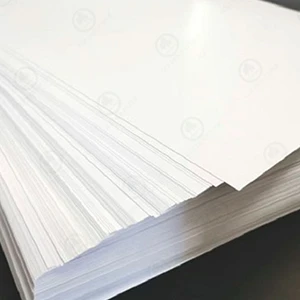
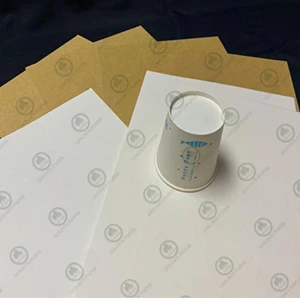
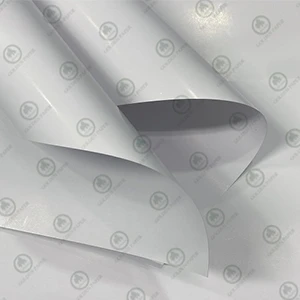
Duplex board has a more standardized industrial appearance. The front side features a smooth white coated surface, while the back side is gray. Its consistent color and smoothness make it ideal for controlled, large-scale printing, although it lacks the texture variation seen in kraft paper.
From a mechanical perspective, kraft paper offers higher tensile strength, tear resistance, and folding endurance. This is due to its long fiber composition, which makes it less likely to break under stress. As a result, it is ideal for applications requiring durability, such as paper bags, industrial packaging, and mailing products.
Duplex board, while not as strong at the fiber level, achieves good stiffness and bending resistance by increasing its basis weight (grammage). This structural rigidity makes it suitable for packaging that requires shape support, such as folding cartons or laminated corrugated boxes.
Print performance is one of the most noticeable differences between the two materials.
Because kraft paper has a darker base color, it affects ink appearance. High-opacity inks or spot colors are usually required to achieve acceptable results; otherwise, colors may appear dull or inaccurate. It is better suited for minimalist designs, single-color printing, or styles that emphasize texture.
Duplex board, with its white coated surface, provides good ink absorption and smoothness, allowing for higher color reproduction. Whether using offset or UV printing, it can deliver bright and sharp images. This is a key reason why most retail packaging uses duplex board. However, the gray back side is not suitable for high-quality printing.
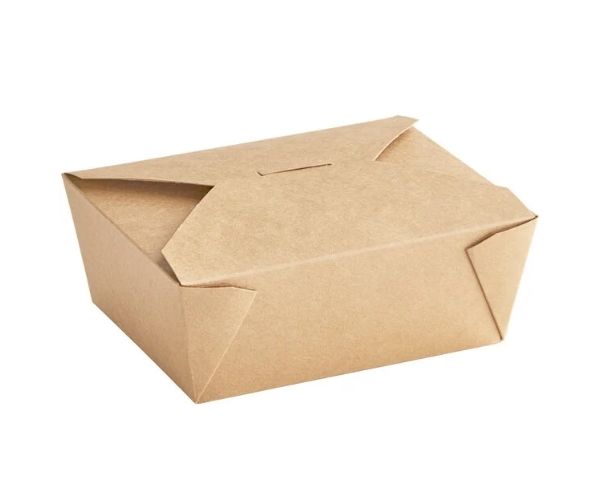
In practice, the two materials are used in clearly different scenarios.
Kraft paper is preferred for applications that require strength and durability, such as shipping packaging, shopping bags, envelopes, file folders, and industrial packaging. It is also widely used in creative and design fields for eco-friendly or natural-style packaging.
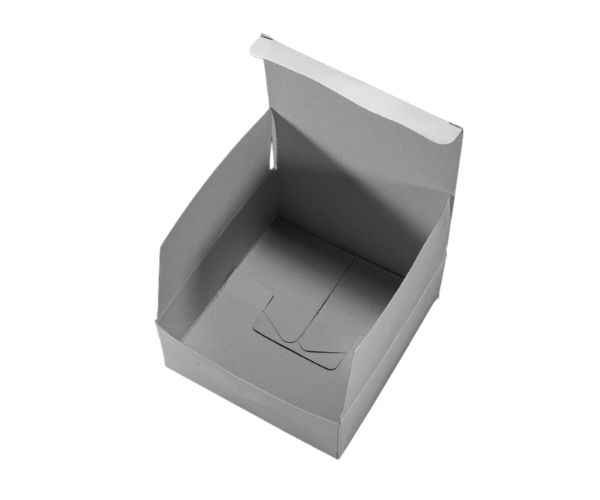
Duplex board is mainly used for structural packaging. It is commonly applied in folding cartons, color boxes, tags, and outer packaging laminated with corrugated board. For cost-sensitive projects, duplex board offers a balance between structural performance and lower material cost, making it popular among large-scale manufacturers.
Overall, kraft paper emphasizes strength, durability, and natural appearance, making it suitable for applications that require high performance or eco-friendly design. Duplex board focuses on cost efficiency and print quality, making it ideal for colorful packaging and mass production. Golden Paper provides a wide range of kraft paper and duplex board solutions. You can customize specifications based on your market needs. Contact us for professional recommendations and the latest pricing support to achieve better cost and quality advantages in your projects.