EN
EN
 fr
fr  de
de  es
es  it
it  ru
ru  pt
pt  ar
ar  vi
vi  tr
tr  id
id 
Phone:
0086 27 688745330086 18049845758
 GOLDEN PAPER

.webp "Digital Transfer Paper/Sublimation Paper")
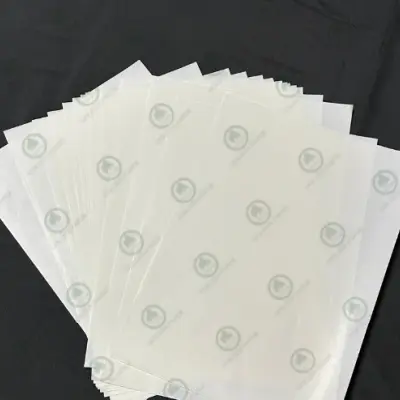
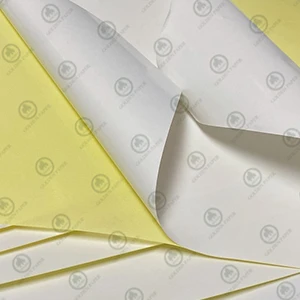

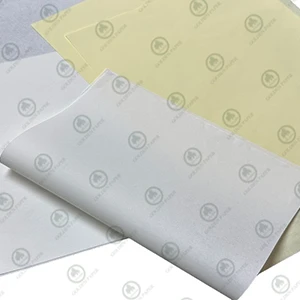

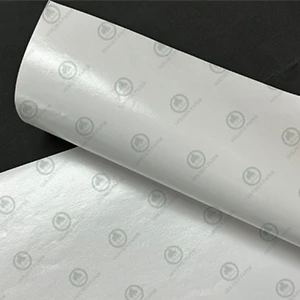
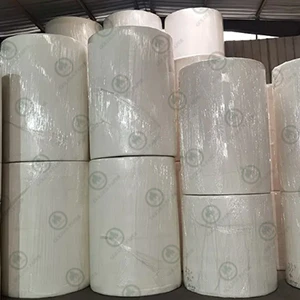
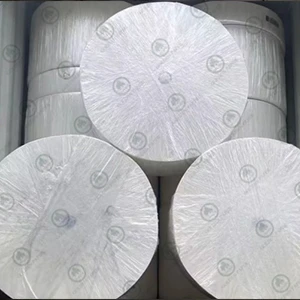

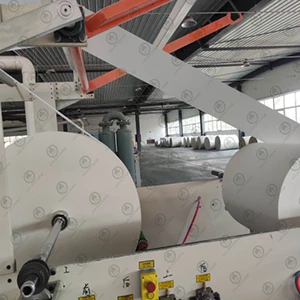
Have you ever noticed that paper can sometimes bend or warp after being stored for a while? This can make it difficult to process and affect the final product’s quality. Don’t worry, though – this is often a normal occurrence. In this article, I’ll explain why paper bends and warps, and what might be causing it.
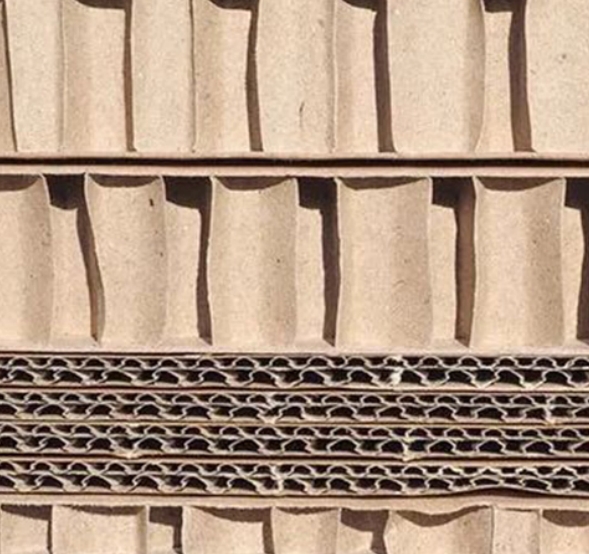
Did you know that paper is primarily made from wood fibers? These fibers are highly absorbent and can swell or shrink when exposed to changes in moisture. Temperature and humidity are key factors that can cause the moisture content in paper to fluctuate, leading the wood fibers to either expand or contract.
Each type of paper has an optimal moisture level that keeps it in good condition. If the moisture content changes due to environmental factors, bending and warping can occur. Different papers have different moisture ranges. For example, the moisture content of offset paper is typically between 4% and 6%, kraft paper usually has a moisture content of around 6% to 8%, coated paper ranges from 5% to 7%, and corrugated paper needs to maintain a moisture level between 6% and 10%. Single-sided coated ivory board has the same moisture content as corrugated paper, while food packaging papers, such as ivory board, typically have a moisture content of 6% to 8%.
Paper’s ability to absorb or release moisture depends not only on the surrounding humidity but also on its fiber composition, sizing degree, and coating structure. For example, coated papers absorb moisture more slowly due to their dense surface layer, while uncoated kraft paper reacts faster because of its porous fiber network. Additionally, papers stored near heat sources or air vents are more prone to localized warping, so uniform storage conditions are essential to maintain flatness.

The bending and warping of paper usually happen due to external forces or changes in moisture content. Here are the main causes:
If the moisture content on the two sides of the paper is different, the side with less moisture will bend towards the side with more moisture. To minimize this, manufacturers often recommend equilibrating paper before printing or converting—allowing it to sit in the production environment for 24–48 hours so the moisture content can balance with the room’s humidity. This simple step can greatly reduce warping during later processing.
Paper goes through various stages – from production to packaging to transportation. Exposure to different temperatures and humidity levels during these stages can cause the paper to bend or warp. Ideally, paper should be stored in an environment with a relative humidity of 50%–60% and a temperature of 20–25°C. Frequent fluctuations between cold and hot or dry and humid environments can lead to irreversible deformation. Using climate-controlled storage and sealed transport helps maintain paper flatness and print quality.
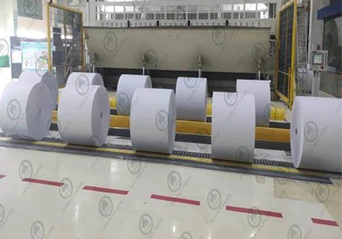
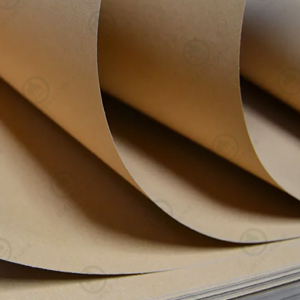
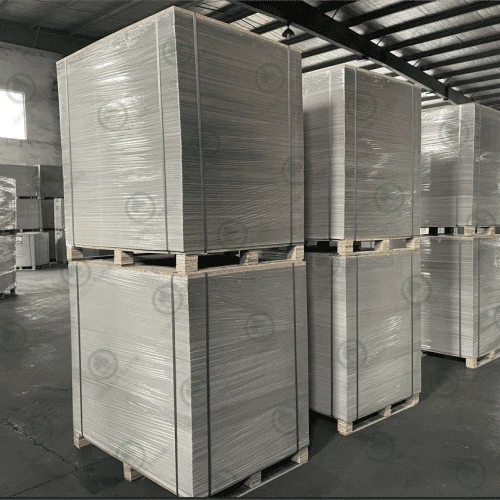
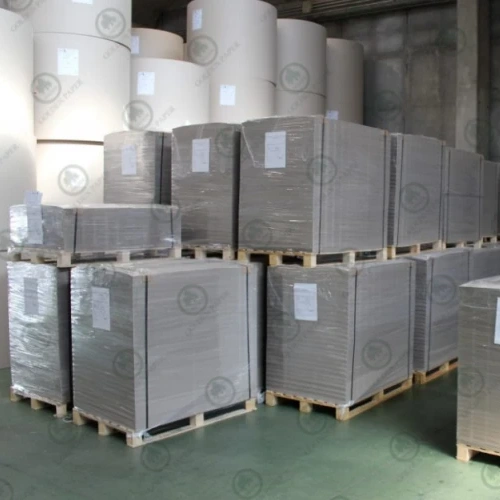
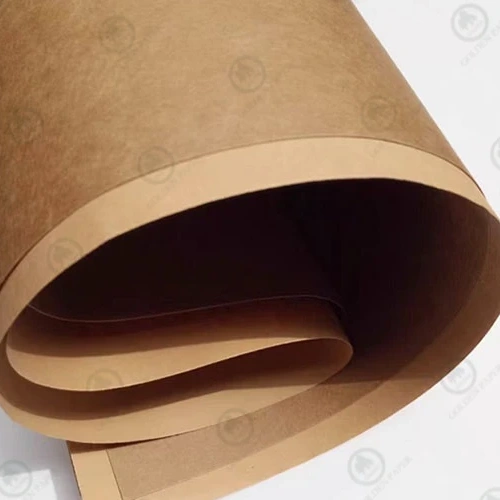
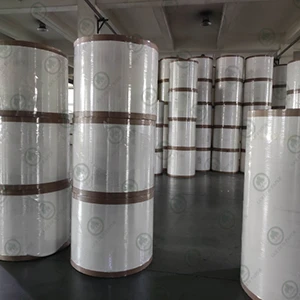
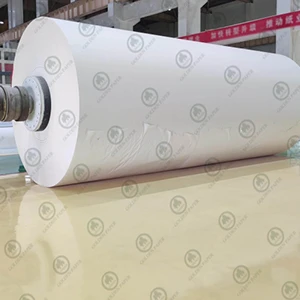
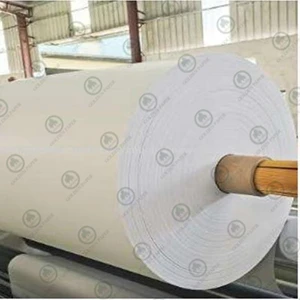
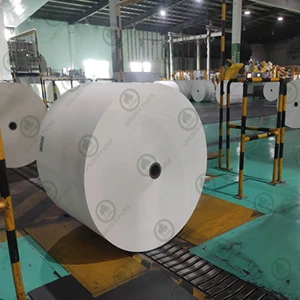
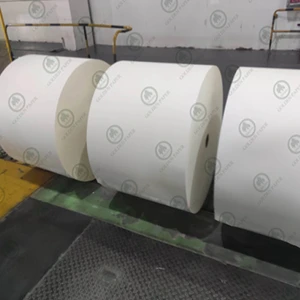
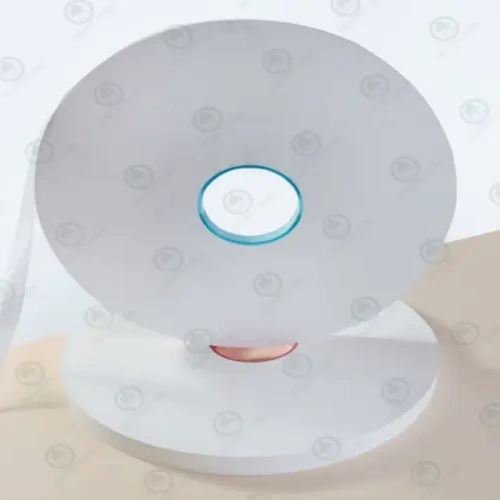
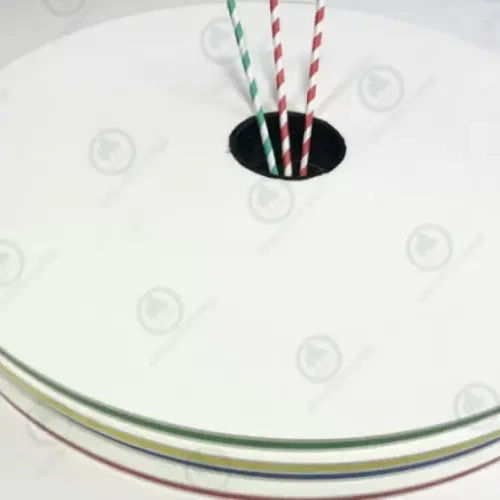
Paper is often packaged either flat or in rolls. For example, kraft board tends to bend more near the core of the roll, especially thicker kraft papers. To fix this, it’s important to add moisture to the paper and press it flat for a while. For roll paper, especially kraft and duplex board, rewinding and flattening operations are commonly performed before use to restore balance in internal tension. In contrast, sheeted paper should be stacked neatly and covered with protective wrapping to prevent moisture exchange and edge curling.
If the paper is subjected to uneven pressure or if it shrinks unevenly, it can warp or bend in a way that isn’t uniform. This issue often occurs during printing, die-cutting, or laminating, when roller pressure or suction is uneven. Regularly checking equipment alignment and applying consistent tension control during processing can effectively prevent mechanical deformation.
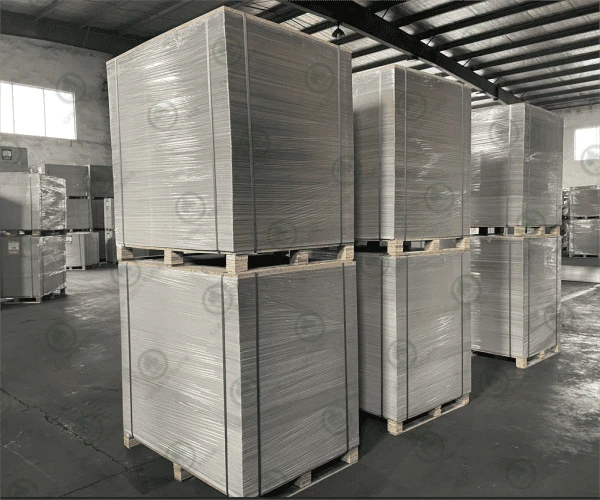
One of the main reasons paper warps is due to the loss of moisture. To prevent this, paper should be stored in moisture-proof packaging to maintain its quality and prevent deformation during later processing. Proper packaging helps improve production efficiency and reduce the likelihood of defects. Additionally, the use of PE wrapping film, moisture-proof kraft packaging, or vacuum-sealed pallets can protect paper from moisture loss during long-distance transportation. Some high-grade papers even include moisture indicator labels inside the package to help users monitor storage conditions.
Now that you understand why paper bends and warps, you can take steps to prevent it. By controlling the storage environment’s temperature and humidity, you can minimize these issues. I hope this information is helpful! If you have any paper-related needs, feel free to reach out to us at Golden Paper for more advice.