EN
EN
 fr
fr  de
de  es
es  it
it  ru
ru  pt
pt  ar
ar  vi
vi  tr
tr  id
id 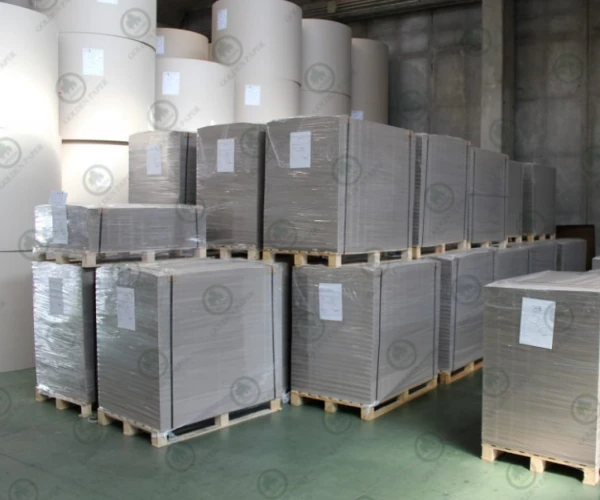

Phone:
0086 27 688745330086 18049845758
 GOLDEN PAPER

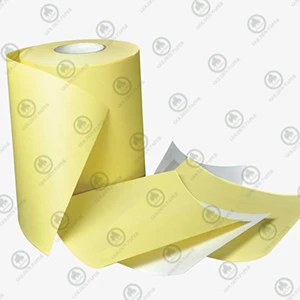
.webp "Digital Transfer Paper/Sublimation Paper")
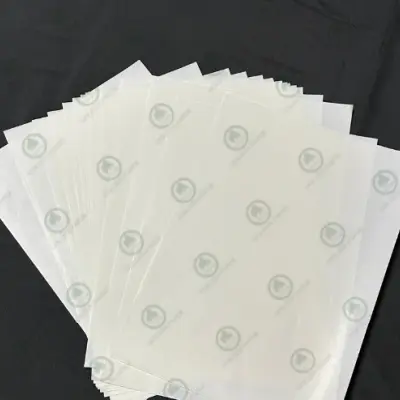
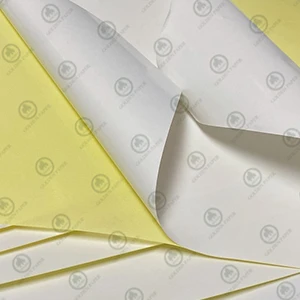

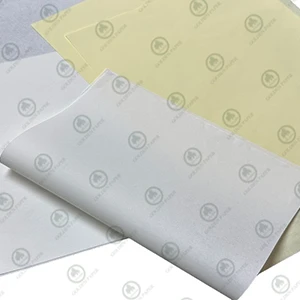


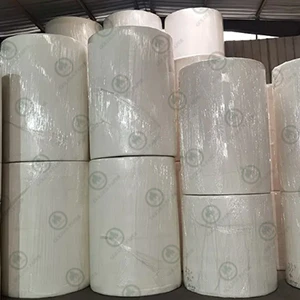
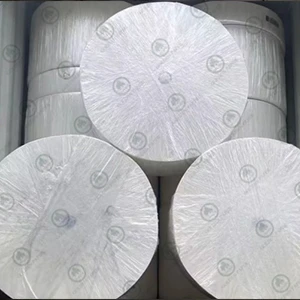

In recent years, kraft paper has become the paper of choice in many sectors due to its high strength, versatility and, most importantly, low environmental impact. In fact, one of its main features is that it is 100% recyclable and environmentally friendly. Its unique balance of strength, sustainability, and cost efficiency has made it a preferred choice for businesses seeking reliable and eco-conscious packaging materials.
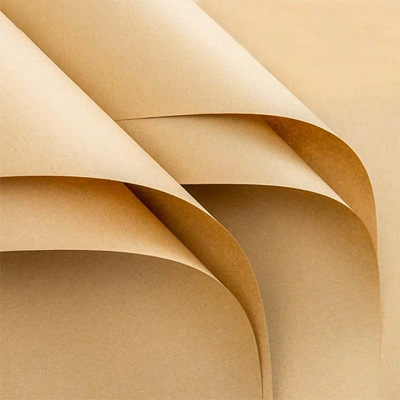
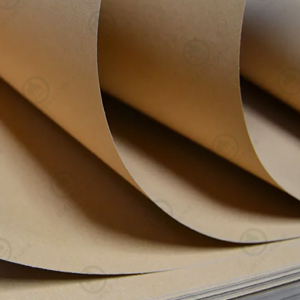
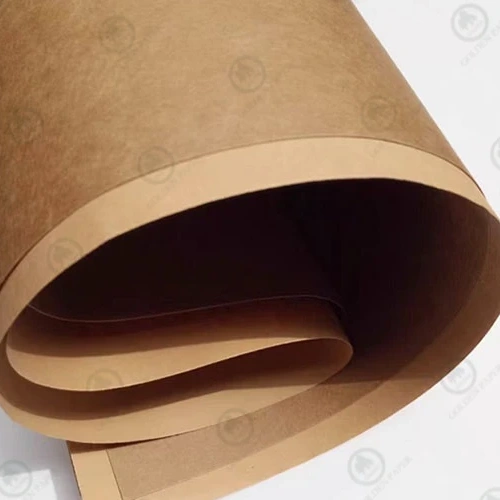
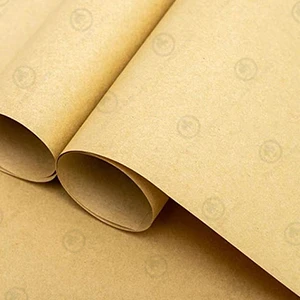
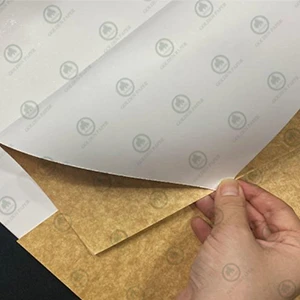
What is kraft paper? It is paper or cardboard produced from chemical pulp produced by the kraft paper process. Due to the kraft pulp process, the original kraft paper is tough, water-resistant, tear-resistant, and has a yellow-brown color. The natural brown color not only highlights its authenticity but also reflects its minimal chemical treatment during production.
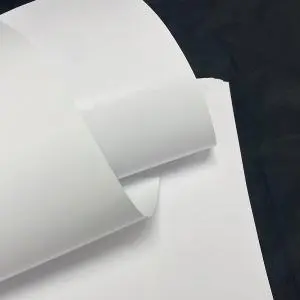
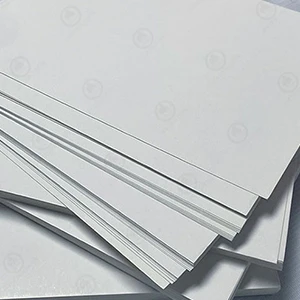
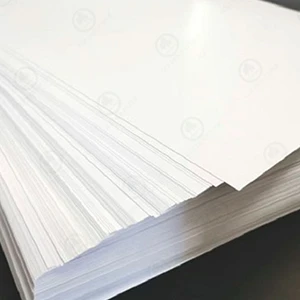
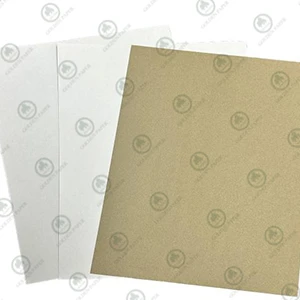
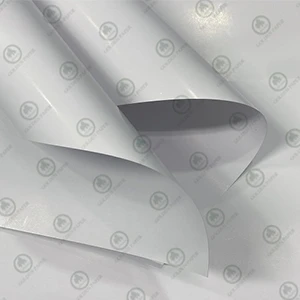
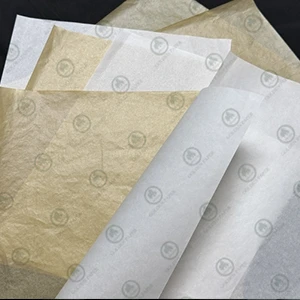
Kraft pulp is darker than other wood pulps, but can be bleached to produce a very white pulp. Fully bleached kraft pulp is used in the manufacture of high quality paper where strength, whiteness and resistance to yellowing are important.
Kraft paper is a commonly used packaging material, named after the kraft paper pulping process. This process ensures that kraft paper maintains its high tensile strength and tear resistance, making it ideal for heavy-duty industrial packaging.
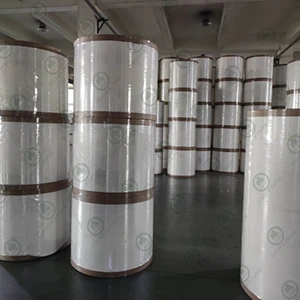
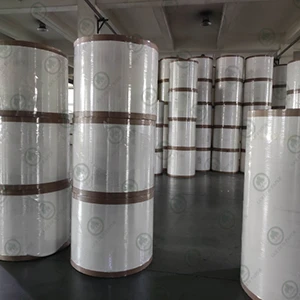
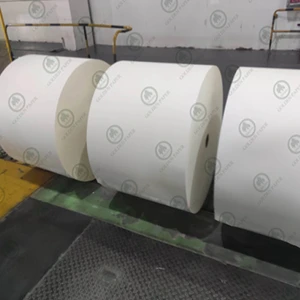
The basic ingredients for making kraft pulp are wood fiber, water, chemicals and heat. Kraft pulp is made by mixing wood fibers with a solution of caustic soda and sodium sulfide and cooking it in a digester. Each production stage—from pulping and bleaching to pressing and drying—contributes to the durability and printability of the final kraft paper rolls.
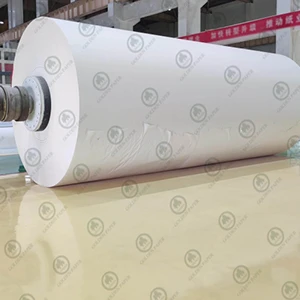
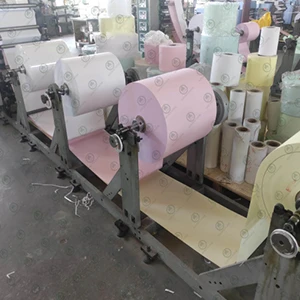
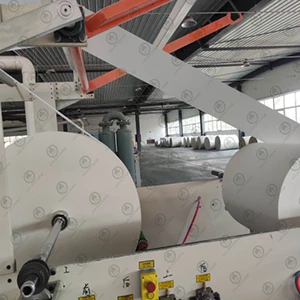
The pulp goes through manufacturing processes and process controls such as dipping, cooking, pulp bleaching, beating, sizing, whitening, purification, screening, shaping, dehydration pressing, drying, calendering, and coiling, and finally produces kraft paper.
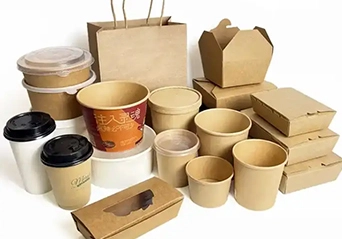
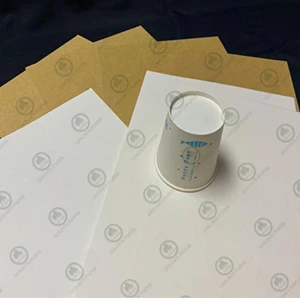
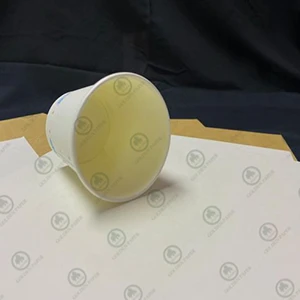
Today, kraft paper is primarily used for corrugated boxes, as well as plastic-hazard-free paper used in paper bags for cement, food, chemicals, consumer goods, flour bags, and more. Beyond traditional applications, many industries now use kraft paper for wrapping, shopping bags, envelope liners, and even eco-friendly food containers.
Due to the durability and practicality of kraft paper, corrugated cartons are very popular in the express logistics industry. Cartons can protect products well and can withstand harsh transportation conditions. In addition, the price and cost are in line with the development of enterprises. With its recyclable nature and reliable performance, kraft paper has become a core material in sustainable packaging design across retail, logistics, and manufacturing sectors.
Kraft boxes are also commonly used by businesses to achieve sustainability goals and clearly depict environmental initiatives through the rustic and original appearance of brown kraft paper. Kraft paper is extremely versatile and offers a variety of innovative packaging in today's packaging industry. As global demand for green packaging continues to rise, kraft paper remains a symbol of strength, simplicity, and sustainability—qualities that define modern responsible brands.