EN
 fr
 de
 es
 it
 ru
 pt
 ar
 vi
 tr
 id

Phone:
0086 27 688745330086 18049845758
 GOLDEN PAPER
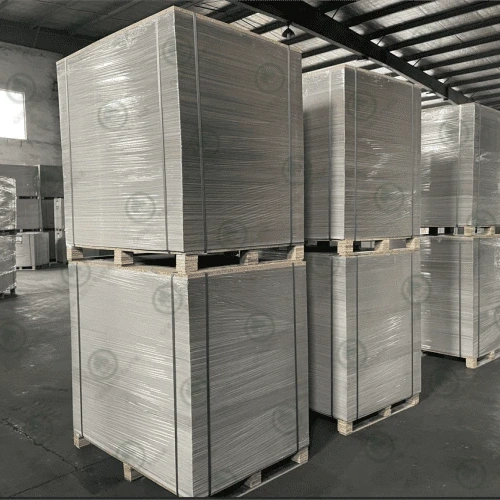
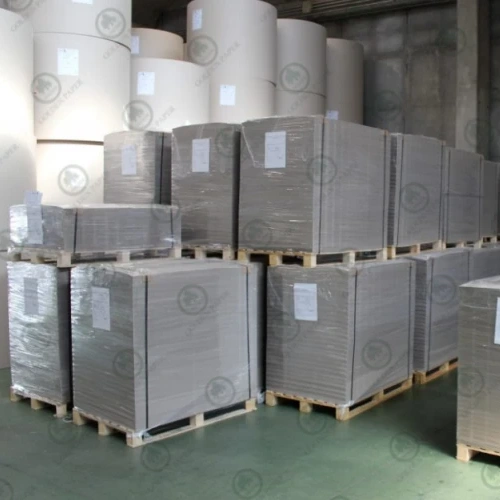
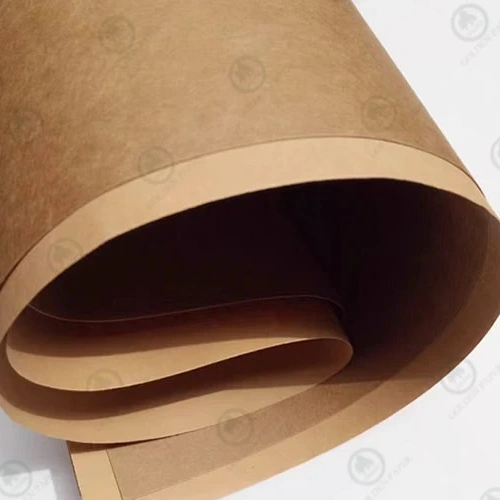
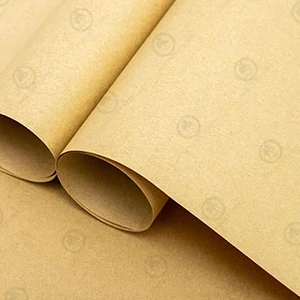
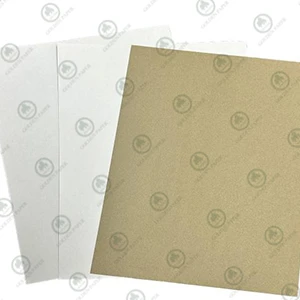
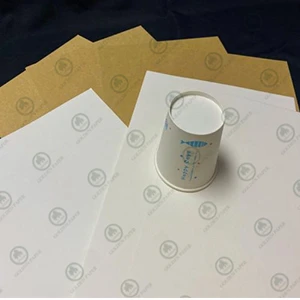
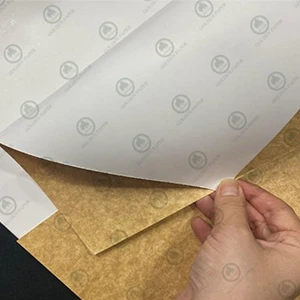
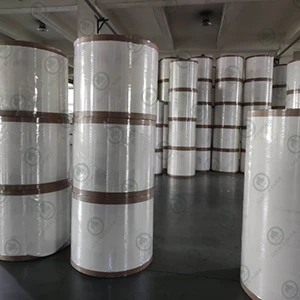
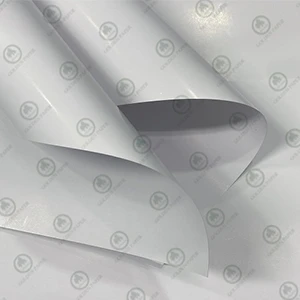
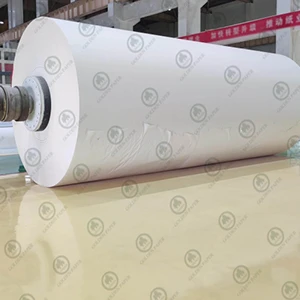
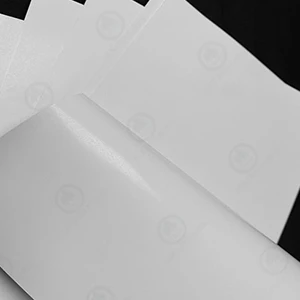
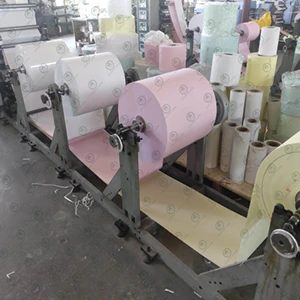
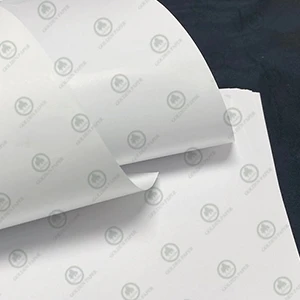
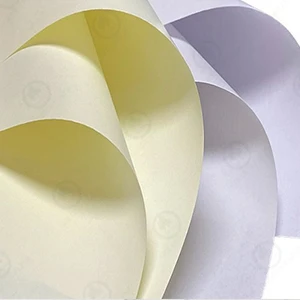
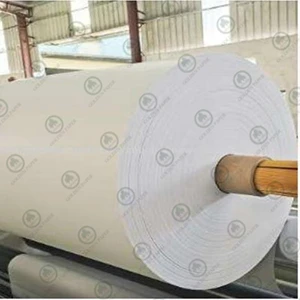
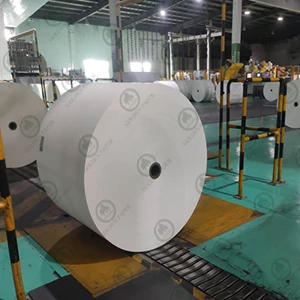
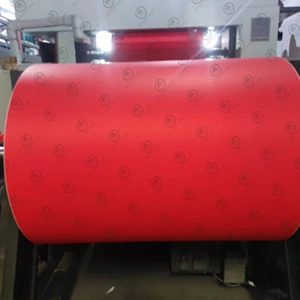


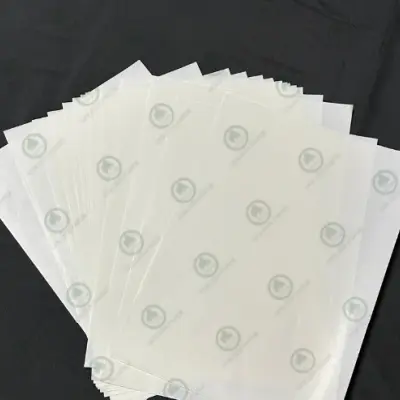
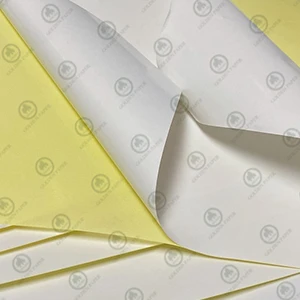
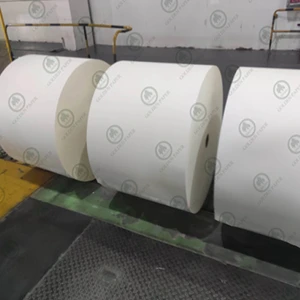

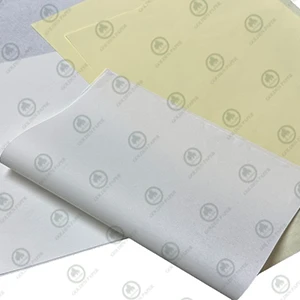

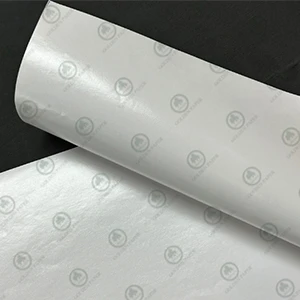

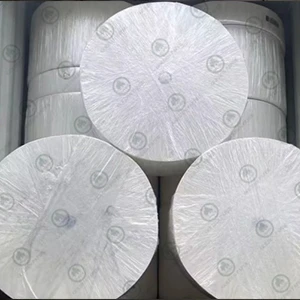

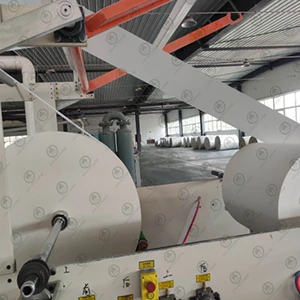
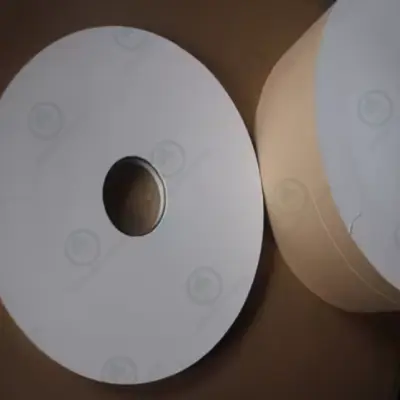
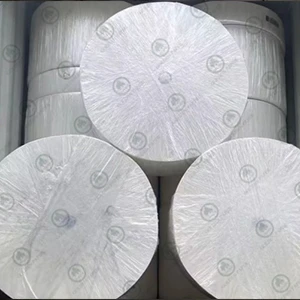
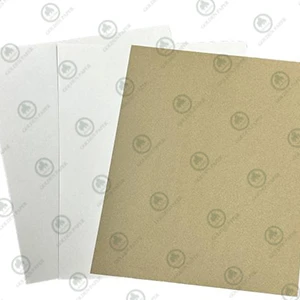
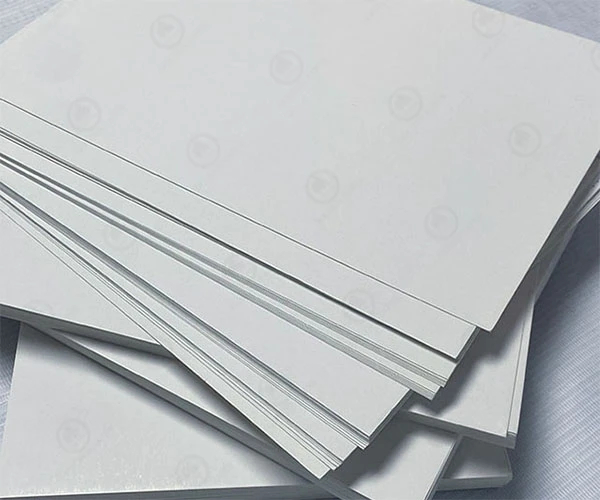
For printing and packaging companies, choosing the right paper starts with understanding whether it can meet the requirements of the final application. Uncoated paper has no pigment coating on its surface, so it retains a more natural paper texture. It is widely used for book printing, office printing, and packaging. So, what types of uncoated paper are commonly available, and how should you choose the right one?
Uncoated paper is paper that has not been treated with a pigment coating on its surface.
After pulp is beaten and formed into paper, the sheet goes through processes such as pressing and drying. Some papers may also be calendered or surface-sized to improve smoothness and performance. Unlike coated paper, uncoated paper does not have a layer of pigments and binders applied to its surface.
As a result, uncoated paper usually retains a more natural paper texture. It also absorbs ink more readily, so printed colors are generally less vibrant than those on coated paper, while the paper surface has relatively low gloss.
For printing companies, this is not necessarily a disadvantage. If the finished product is mainly text-based, or if the customer prefers a natural paper feel, uncoated paper can be a better fit. For packaging companies, some uncoated papers also offer good strength, making them suitable for paper bags, envelopes, and other packaging applications.
It is important to note that "uncoated" does not necessarily mean "rough." Some uncoated papers are calendered or surface-sized to achieve a relatively smooth surface. Therefore, paper quality should not be judged simply by whether the paper is coated or uncoated.

Uncoated paper is not a specific type of paper but a broad category that includes many different grades. Since each grade is designed for a different application, printing and packaging companies should choose the paper based on what the finished product needs to do.
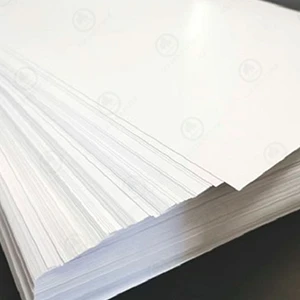
Offset paper is one of the most common uncoated papers used in the printing industry.
It is mainly used for offset printing and needs to provide suitable smoothness, dimensional stability, and printability. Although it does not have a pigment coating, appropriate surface treatment can still give the paper the performance required for general printing.
Offset paper is commonly available in grammages of around 60–250 gsm.
For printing companies, it is suitable for books, textbooks, instruction manuals, and other printed materials that contain a large amount of text. When customers need to print substantial amounts of text without a noticeably glossy paper surface, offset paper is a common choice.
When purchasing this paper, it is important to confirm not only the grammage but also the required specifications based on the printing equipment and final application. Different printing jobs may require different levels of thickness and opacity.
Writing paper is another common type of uncoated paper, but it is more focused on everyday writing and office use.
This type of paper is usually available in lower grammages, commonly around 50–80 gsm. Its relatively light weight makes it suitable for applications where large quantities of paper are used.
Writing paper is commonly used for exercise books, memo pads, scratch paper, and some types of forms.
For these applications, customers usually do not need especially vivid printing. Instead, good ink absorption can provide a better writing experience by reducing problems such as ink bleeding.
Therefore, when purchasing writing paper, price should not be the only consideration. Consistent writing performance can also have a direct impact on the quality of the finished product.

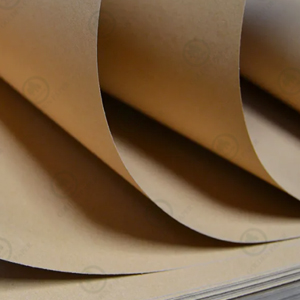
Kraft paper is widely used in the packaging industry and is another typical type of uncoated paper.
One of the main differences between kraft paper and offset paper is the role they play in the final product. Offset paper is mainly used to carry text and images, while kraft paper often needs to withstand pulling and friction during packaging and use. This makes paper strength particularly important.
Kraft paper can be produced in its natural brown color or bleached to produce a white appearance. Common grammages range from around 60–300 gsm, depending on the application.
Paper bags are a typical application for kraft paper. After the paper is converted into a bag, it needs to withstand the force created when the bag is carried. Even if the printing quality is good, insufficient paper strength can prevent the finished bag from meeting its intended requirements.
For packaging companies, kraft paper should therefore be selected based on the bag design, size, and load requirements rather than by grammage alone.

Book paper and dictionary paper are mainly used for publications with a large number of pages.
These papers are usually very lightweight, with common grammages of around 25–40 gsm. This is relatively low compared with standard paper grades, but dictionary paper still needs to maintain sufficient opacity while remaining lightweight. Otherwise, text printed on one side can show through from the other side and affect readability.
Dictionaries, Bibles, and other large reference books are typical applications for this type of paper.
For book printers and publishers, lightweight paper can help reduce the thickness of the finished book. If a book with hundreds or even thousands of pages is printed on standard-weight paper, the finished product can become very thick and heavy, making transportation and reading less convenient.
Therefore, the goal with dictionary paper is not simply to make the paper as thin as possible. The paper needs to achieve a suitable balance between low weight and print performance.
Corrugating medium is also an uncoated paper, but its application is completely different from the printing papers discussed above.
It is mainly used to produce the fluted middle layer of corrugated board. The paper passes through a corrugator, where it is formed into a continuous wave-like structure and then bonded with linerboard to produce corrugated board.
Common grammages are around 90–180 gsm.
For packaging companies, corrugating medium is not selected primarily for high-quality color printing. After processing, it needs to maintain a stable flute structure, so paper strength and forming performance are more important.
It is also important to distinguish between corrugating medium and corrugated board. Corrugating medium is the paper used to form the fluted middle layer, while corrugated board is the finished board made by combining linerboard with corrugating medium. Confusing the two during purchasing can easily lead to misunderstandings about the required specifications.
In addition to coated white board, uncoated white board is also available in the market.
Because it does not have a conventional pigment coating, its surface is generally less smooth than that of coated white board. It is more suitable for packaging applications where extremely high print quality is not required but a certain level of stiffness is still needed.
Common grammages are around 250–400 gsm.
Some basic paper boxes, backing boards, and inserts may use this type of board. However, buyers should confirm exactly what a supplier means when referring to "white board."
Paper terminology is not always consistent across different markets. If a packaging company simply asks for "white board," the supplier may not know exactly which board structure is required. Confirming the board structure and surface treatment can help avoid misunderstandings.
For printing companies, the most noticeable difference between coated and uncoated paper is usually the printing result.
Coated paper has a pigment coating on its surface, which makes the paper smoother. When ink is applied, it is less likely to penetrate deeply into the paper, allowing images to appear more vibrant and defined.
Uncoated paper does not have this coating, so it absorbs ink more readily. As a result, the same image may look different when printed on uncoated paper compared with coated paper.
This is why high-quality brochures and some fine-color printing projects often use coated paper, while books, textbooks, and office printing commonly use uncoated paper.
For packaging companies, the selection criteria can be different.
Packaging is not only about print quality. Paper may also need to go through die-cutting, folding, gluing, or bag making. If the finished product requires higher strength, uncoated papers such as kraft paper may be more suitable than standard printing paper.
Therefore, coated and uncoated paper should not simply be viewed as better or worse than each other. The key question is whether the paper can meet the requirements of the final product.
What Should Printing and Packaging Companies Consider When Buying Uncoated Paper?
A common issue when purchasing paper is providing only the paper name without explaining the final application.
For example, if a customer asks a supplier for 100 gsm offset paper, this provides some useful information, but it may still not be enough to determine the most suitable specification. If the paper is intended for book printing, the finished book thickness and opacity may need to be considered. For large-volume commercial printing, the paper specification may also need to match the printing equipment and production conditions.
The same applies when a packaging company purchases kraft paper.
If the paper will be used for shopping bags, the finished bag size and load requirements need to be considered. If it will be used for envelopes, the requirements may be different. Even at the same grammage, the most suitable kraft paper can vary depending on the application.
Therefore, when purchasing uncoated paper, it is better to tell the supplier what the paper will be used for and what type of converting it will go through. With this information, the supplier can recommend a more suitable paper grade and specification.
For companies that purchase paper on a regular basis, consistency between production batches is also important. Printing and packaging companies usually need to maintain continuous production, so significant differences in paper performance from one batch to another can affect both printing and converting.
Uncoated paper is not a single type of paper but a broad category of papers without a pigment coating. For printing and packaging companies, the most important step is not to choose a paper grade first, but to define the final application. Once you know how the paper will be printed and converted, it becomes much easier to determine the appropriate grammage and specification. Looking for a reliable uncoated paper supplier? Contact Golden Paper for samples and a quotation.